

Komodo dragon pet: can you legally keep one?
Komodo dragons are not pets: private ownership is generally prohibited, with rare exceptions for accredited zoos, research institutions or special edu…
Topics
Komodo dragons are not pets: private ownership is generally prohibited, with rare exceptions for accredited zoos, research institutions or special edu…
Adult Komodo dragons usually weigh about 70 kilograms in the wild, but the heaviest verified specimen reached 166 kilograms, according to Smithsonian…
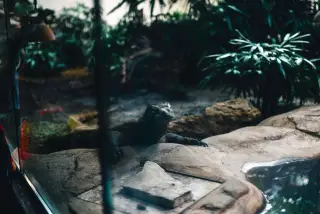
Komodo dragons are venomous lizards. Research has identified venom glands and toxins that help them weaken prey by lowering blood pressure and prevent…
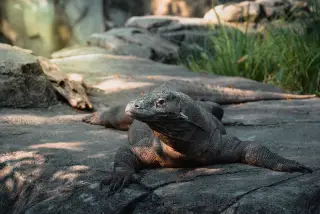
Baby Komodo dragons are not miniature adults. They hatch after about 7–8 months, measure roughly 30–40 cm, weigh about 80–100 grams, and spend their e…
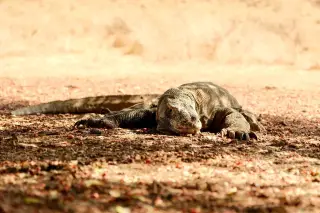
Komodo dragons are not poisonous in the usual sense, but they are venomous lizards. Their bite can cause severe injury, blood loss and, in rare cases,…

Komodo dragons usually live about 30 years in the wild. The most credible sources opened for this explainer also place confirmed captive longevity in…
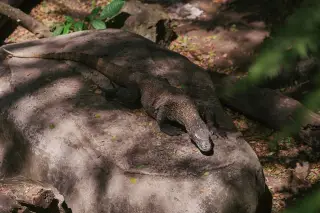
Komodo dragons have about 60 serrated teeth at a time, and research shows the tips and cutting edges carry an iron-rich coating that helps keep them s…
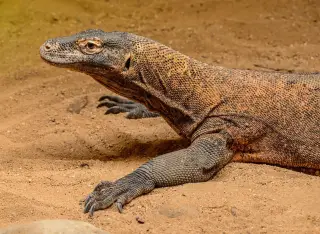
Komodo dragons are venomous lizards. Scientific studies show their venom helps lower blood pressure and stop clotting, while the bite itself also caus…
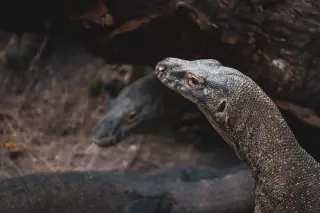
Komodo dragons are the world’s largest living lizards. Here is how big they usually get, how large the biggest verified animal was, and why different…
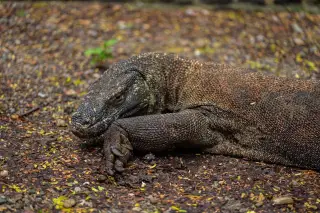
Komodo dragons are wild only in a small part of eastern Indonesia, centered on Komodo National Park and nearby Flores. They favor dry savanna, open fo…

Young Komodo dragons use trees as refuge from adult dragons and other predators. The age at which they move to the ground varies by source, but both a…
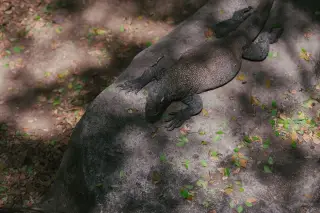
Komodo National Park in East Nusa Tenggara remains a magnet for overseas visitors, offering the rare chance to see the world’s largest lizard, the Kom…
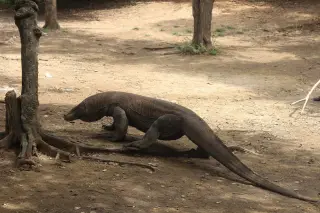
Universitas Gadjah Mada and partner reports detail specific parasites infecting wild Komodo dragons in Komodo National Park, identifying an endemic ta…
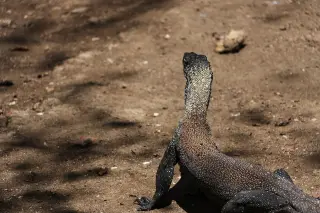
A KSDAE assessment using Maxent modelling reports that 120.23 hectares, or 25.1 percent of Longos Island, is suitable habitat for Komodo dragon prey,…
A U.S. Fish and Wildlife Service filing and independent conservation reports describe the Komodo Survival Program’s role in long-term monitoring, thre…