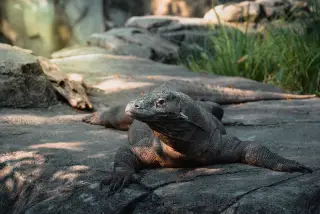

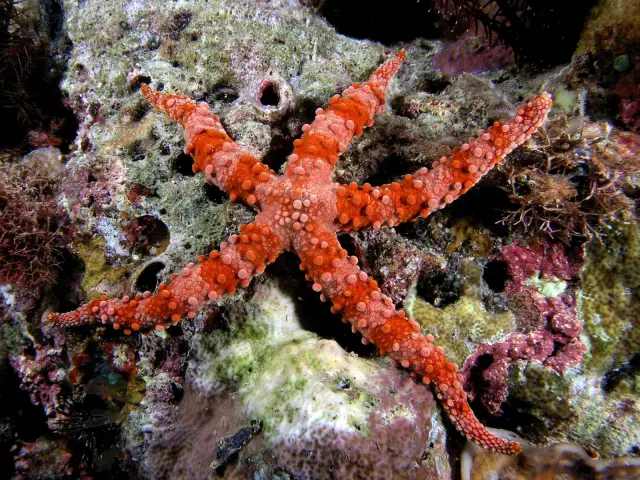
Reports highlight Komodo National Park’s wildlife and marine habitats
Reports describe Komodo National Park as a habitat for Komodo dragons and yellow-crested cockatoos, with coral reefs, fish and larger marine animals i…
Komodo dragons, manta rays, turtles and the science that protects them.
Reports describe Komodo National Park as a habitat for Komodo dragons and yellow-crested cockatoos, with coral reefs, fish and larger marine animals i…
Komodo dragon numbers reached 3,396 recorded individuals in 2023, yet the species remains Endangered because fewer than 1,400 mature adults are estima…
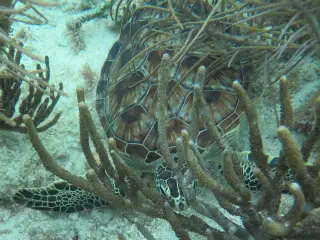
Komodo National Park’s turtle protection combines nesting surveys, marine management and photo-identification, with 308 individual turtles recorded by…
Komodo National Park protects far more than its famous lizards: official records describe a highly diverse marine ecosystem where coral, turtles, mant…

Scientific monitoring in Komodo National Park tracks dragons, manta rays, turtles, reefs and fish through repeated surveys, helping managers measure w…

Komodo National Park protects a linked island-and-sea ecosystem. Official park data and peer-reviewed research explain its scale, marine diversity and…

Rinca Island is one of Komodo National Park’s key dragon habitats, with sources placing its wild Komodo population at about 1,300 or at 1,100-1,500 in…

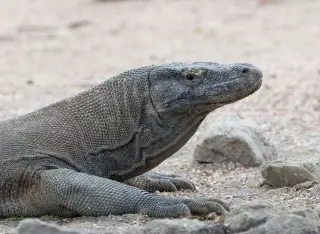
A close-up Komodo dragon is easiest to identify by its forked yellow tongue, rough armored scales, serrated teeth and heavy tail.
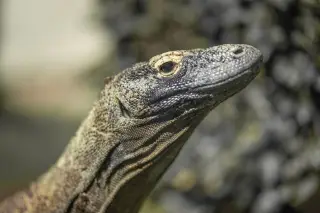
Indonesia plans to send two Komodo dragons to iZoo in Shizuoka under a breeding-loan programme. The zoo houses more than 400 species and 2,000 animals…
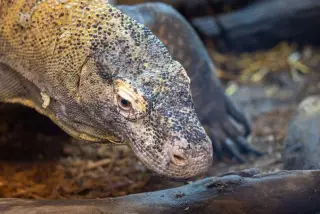
Searchers typing “komodo dragon australia” are usually asking whether the species lives in Australia now or only once did.
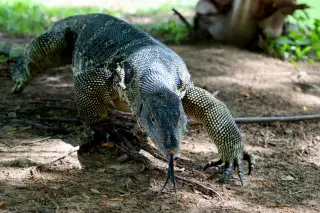
Komodo dragon pictures usually means verified photos of Varanus komodoensis, the world's largest living lizard, especially images from Indonesia's Kom…
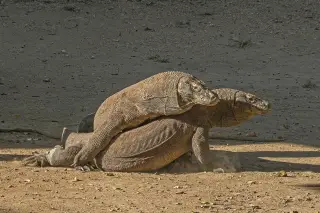
Komodo dragons do not grow up quickly: females lay clutches of eggs, the embryos incubate for months, hatchlings climb trees to avoid adults, and sexu…

Komodo dragons are carnivores that eat deer, pigs, water buffalo, carrion and even smaller dragons; young dragons begin with insects and small lizards…
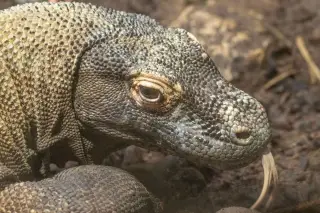
“Cute Komodo dragon” usually means a baby or juvenile dragon: hatchlings are speckled, tiny, and visually less threatening than adults, though they ar…
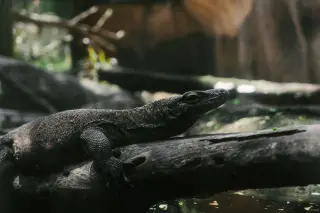
Komodo dragons are venomous lizards. Research has identified venom glands and toxins that help them weaken prey by lowering blood pressure and prevent…