
Komodo dragons keep Indonesia’s Komodo National Park in global spotlight
Komodo National Park in East Nusa Tenggara remains a magnet for overseas visitors, offering the rare chance to see the world’s largest lizard, the Komodo dragon, against a backdrop of volcanic islands and protected seas.
Editor: Mursyid Sonsang
· Event date: · 4 min read
Jakarta — Komodo National Park in East Nusa Tenggara continues to draw international visitors with the promise of seeing the Komodo dragon (Varanus komodoensis), the world’s largest living lizard, in its natural habitat, according to Indonesia’s public broadcaster RRI and multiple tourism and conservation sources.
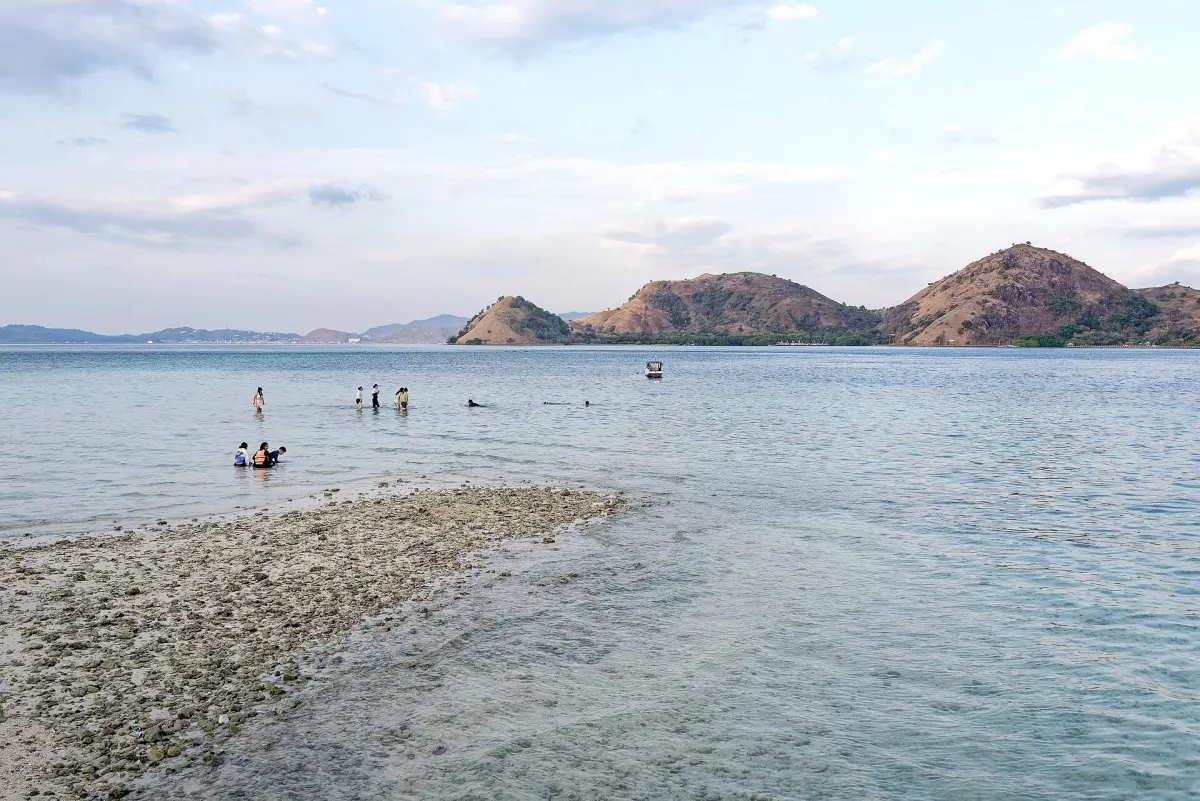
RRI describes Komodo Island as offering hilly terrain, broad stretches of sea and close encounters with Komodo dragons in the environment where they live, helping make the wider park one of Indonesia’s most recognisable nature destinations.
Komodo National Park spans three main islands—Komodo, Rinca and Padar—alongside dozens of smaller islands, and has been recognised as a UNESCO World Heritage Site and Biosphere Reserve since 1991 for its exceptional natural beauty and unique biodiversity.
Komodo dragon: size, range and appeal
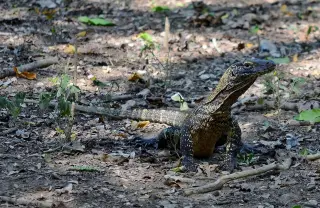
RRI identifies the Komodo dragon as an endemic Indonesian species found on several islands within Komodo National Park. UNESCO-linked descriptions and local conservation guides add that wild populations are distributed across Komodo Island, Rinca, Gili Motang and some coastal areas of western and northern Flores, with the park providing a core sanctuary for the species.
Adult Komodo dragons can grow to around 2–3 metres in length and weigh between about 45 and 136 kilograms, placing them among the most distinctive reptiles encountered by wildlife tourists. Conservation materials and encyclopaedia entries describe males reaching up to roughly 3 metres and the upper end of that weight range, while females are generally smaller.
Their large size, predatory behaviour and rugged appearance have helped turn the species into a major attraction for visitors seeking unusual nature experiences in Indonesia, according to park-focused travel and conservation guides.
Name and scientific history
According to RRI’s English-language feature, Dutch naturalist Pieter A. Ouwens adopted the name “Komodo” for the animal in the early 20th century and proposed the scientific name Varanus komodoensis, formally identifying it as a monitor lizard associated with Komodo Island.
The same report notes that the international common name “Komodo dragon” was popularised later by American explorer W. Douglas Burden, whose accounts linked the reptile’s size and physical traits to the image of a mythical dragon.
Key reported facts
- Species: Komodo dragon (Varanus komodoensis), an endemic Indonesian monitor lizard.
- Adult size: roughly 2–3 metres in length; reported adult weights from about 45 to 136 kilograms.
- Location: principal wild range within Komodo National Park in East Nusa Tenggara, including Komodo, Rinca and smaller surrounding islands, with additional populations on parts of Flores.
- UNESCO status: Komodo National Park inscribed as a World Heritage Site and Biosphere Reserve in 1991.
International attention and responsible access
International interest in Komodo National Park has recently been highlighted by the visit of American actress Michelle Monaghan, who recounted two trips to Indonesia and a later journey specifically to see Komodo dragons at the park during an appearance on The Tonight Show Starring Jimmy Fallon, according to entertainment and lifestyle coverage.
Monaghan described how she first visited Indonesia on a surfing trip before working on the film The Whisper Man with actor Robert De Niro, then decided to return with her family after a conversation with De Niro about “dragons” led her to learn about Komodo National Park and its famous reptile.
As visitor numbers rise, government and park authorities have introduced measures aimed at protecting the habitat, including daily visitor caps and online reservation systems described in recent tourism and conservation reporting, underscoring that access is increasingly managed to balance tourism with species conservation.
Travel and conservation outlets note that prospective visitors should check current official information on ticketing, daily capacity and permitted activities, as policies can change in response to environmental pressures and management decisions.
Sources
- RRI.co.id (Voice of Indonesia) – Komodo Island, a Destination Captivates the World
- Wikipedia – Komodo National Park
- World Heritage Explorer – Komodo National Park
- LabuanBajoKomodo.com – Komodo Dragon Facts: Size, Speed, Bite & Behaviour
- Seasia.co – This Ancient Reptile Sent Mission Impossible Star Michelle Monaghan Back Again to Indonesia
- BroadwayWorld – Michelle Monaghan Took a Second Indonesia Trip Just to Please Robert De Niro
- Fox News Entertainment – Michelle Monaghan shares bikini vacation photos from Indonesia trip
- DetikTravel – Kisah Michelle Monaghan Rela Balik Liburan ke Indonesia demi Lihat Komodo Naga
- Langit7.id – Gegara Penasaran Komodo, Michelle Monaghan Liburan Lagi ke Indonesia!
- Liputan6 – Penasaran dengan Komodo, Michelle Monaghan Rela Kembali Liburan ke Indonesia
- Reallist Media – Cerita Michelle Monaghan Bertemu Komodo Dragon di Indonesia
Next story
Komodo tide forecasts for 20 September show three key turning points
Multiple tide-forecast platforms list three main turning points for Komodo on Sunday, 20 September 2026, with one low-water period around midday.
Related