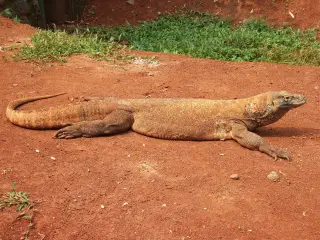

UGM Komodo Parasite Study Documents Tapeworm in Wild Dragons
Universitas Gadjah Mada and partner reports detail specific parasites infecting wild Komodo dragons in Komodo National Park, identifying an endemic tapeworm and other parasites through field sampling and lab analysis.
Editor: Mursyid Sonsang
· Event date: · 4 min read
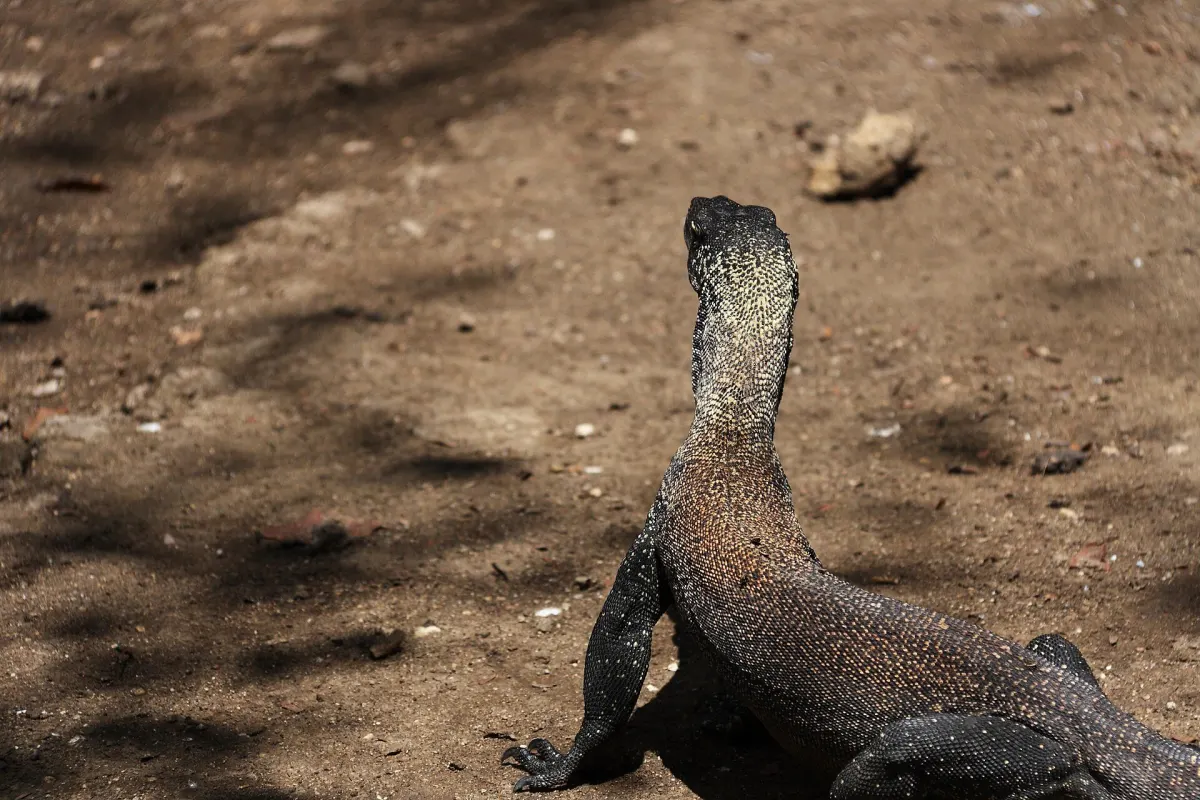
Labuan Bajo — Universitas Gadjah Mada (UGM) has highlighted new findings on parasites infecting wild Komodo dragons in Komodo National Park, with institutional and media reports detailing specific parasite species, sampling methods and conservation implications that go beyond the limited information shown on a September 10, 2026 archive listing.
UGM’s research and innovation pages feature a news item titled “UGM Researchers Identify Parasites Infecting Komodo Dragons in Their Natural Habitat,” dated July 3, 2026, which describes work by the Faculty of Veterinary Medicine on parasite diversity in wild Komodo dragons. The study is attributed to doctoral researcher Aji Winarso under the supervision of parasitologist Professor Raden Wisnu Nurcahyo, using a multidisciplinary approach combining classical parasitology, molecular taxonomy and landscape ecology within a One Health framework.
According to this UGM release, the team detected an endemic tapeworm, Kapsulotaenia sandgroundi, with a prevalence of 6.67 percent in sampled Komodo dragons, noting a distinctive double protective capsule around the parasite’s eggs that allows it to persist in the semi-arid savanna habitat. An Indonesian science report by Tempo, citing the same research team, repeats these findings and characterises the discovery as part of efforts to build baseline data on pathogens and parasites affecting Komodo dragons as tourism-driven human interaction increases in Komodo National Park.
The UGM Indonesian-language research archive lists the item under the heading “Peneliti UGM Ungkap Jenis Parasit Serang Komodo di Habitat Aslinya,” with Komodo (Varanus komodoensis) introduced as the world’s largest lizard and an endemic apex predator confined to several islands in East Nusa Tenggara. The archive page itself is dated September 10, 2026, reflecting cataloguing of earlier research outputs rather than the fieldwork date. UGM’s English-language research category also presents the same Komodo parasite study as a research highlight under “UGM Researchers Identify Parasites Infecting Komodo Dragons in Their Natural Habitat.”
Documented parasites and methods
Coverage by Tempo, based on interviews with Professor Wisnu, reports that the Komodo study documented several parasite groups from faeces and blood samples, including tapeworms, ektoparasites, blood parasites and cases of myiasis, where fly larvae were found in wounds on Komodo dragons. The article notes that the team coordinated with Komodo National Park authorities for habitat observation and biological sampling, and obtained ethical clearance and permits for access to genetic resources from the forestry ministry.
UGM and IDN Times reports on the same project describe how samples of faeces, blood and ectoparasites from wild Komodo dragons were analysed morphologically under a microscope and then confirmed using molecular methods to ensure accurate parasite identification. The researchers emphasised that intestinal worms and ticks are commonly found in wild Komodo dragons and do not automatically indicate disease, but that systematic data are needed to detect early threats, particularly as tourism increases close contact between dragons, prey species and people.
Health monitoring and conservation
In public statements reported by Tempo and IDN Times, Professor Wisnu is quoted as saying that parasites can serve as indicators of ecosystem health and that the Komodo findings are an important milestone for wildlife veterinary medicine. The research aims to establish baseline information on pathogens and parasites to support early detection of disease risks in Komodo National Park, rather than to report a current outbreak or acute decline in Komodo dragon health.
Separate scientific work involving UGM parasitologists has also documented traumatic myiasis in a wild Komodo dragon in Komodo National Park, with a 2026 paper in Veterinary Research Communications describing an adult male dragon captured in April 2025 with a shoulder wound infested by fly larvae. The larvae were identified as Chrysomya rufifacies, and the animal was treated and released in good condition, with the authors noting this as the first documented case of traumatic myiasis in a wild Komodo dragon.
Together, these sources indicate that UGM’s Komodo parasite research is part of a broader programme of wildlife health monitoring and collaborative conservation work in Komodo National Park, using parasitological and ecosystem-level data to inform future management decisions.
Sources
- UGM Researchers Identify Parasites Infecting Komodo Dragons in Their Natural Habitat - Universitas Gadjah Mada
- Peneliti UGM Temukan Parasit yang Menyerang Komodo
- Dosen UGM Teliti Parasit di Komodo, Ini Hasilnya
- First report of traumatic myiasis in the wild Komodo dragon (Varanus komodoensis Ouwens, 1912) from Indonesia
Next story
Komodo visits: rangers, marked trails and safe distances
Visitor guidance for Komodo National Park emphasises trekking only with licensed rangers, staying on marked trails and keeping several metres away fro…
Related