

Komodo dragon venom: what it does and how dangerous it is
Komodo dragons are venomous lizards. Scientific studies show their venom helps lower blood pressure and stop clotting, while the bite itself also causes severe trauma. In humans, the wound is the immediate danger.
Editor: Mursyid Sonsang
· 3 min read
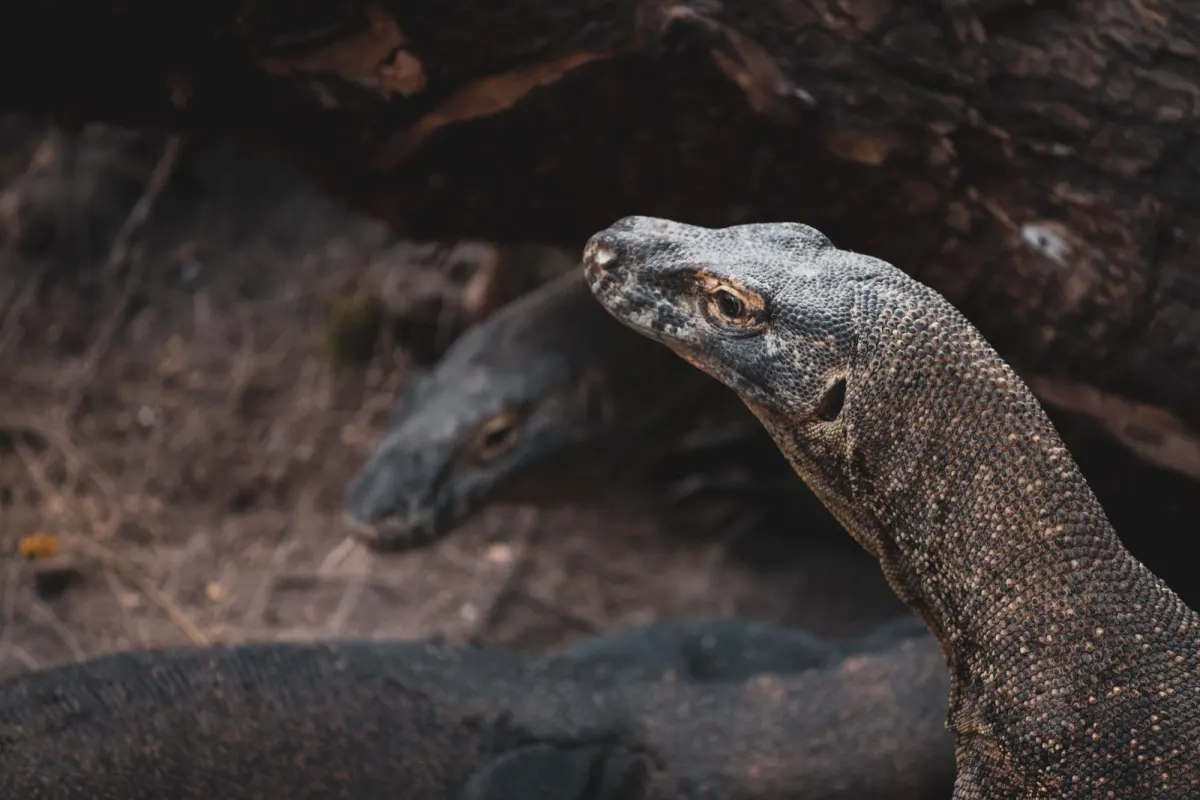
Komodo dragons are venomous: research shows they have venom glands and a toxin mix that helps immobilise prey by lowering blood pressure, reducing clotting and deepening shock. The bite also causes major physical injury, so in real attacks the damage comes from both the wound and the venom, according to the scientific literature and Smithsonian National Zoo.
Are Komodo dragons really venomous?
Yes. A 2009 study in PNAS identified toxin classes in Varanus komodoensis venom glands, including AVIT, CRISP, kallikrein, natriuretic peptide and type III phospholipase A2. Smithsonian National Zoo also states that Komodo dragon venom prevents blood from clotting, causing blood loss and shock.
That matters because it means the dragon is not relying only on bite force and serrated teeth. The venom works as part of a hunting system that helps a wounded animal weaken after the initial attack.
What does the venom do to prey?
The best-supported effects are hypotension, anticoagulation and shock. In the PNAS study, venom proteins were linked to anticoagulative changes in blood chemistry and shock-inducing lowering of blood pressure; the same paper reported that an intravenous dose of 0.1 mg/kg produced profound hypotension in test animals.
Smithsonian National Zoo describes the same broad outcome in simpler terms: the venom keeps blood from clotting, which leads to massive blood loss and shock. In other words, a prey animal is weakened by a combination of bleeding and circulatory collapse rather than by poisoning alone.
Is the bite itself or the venom more dangerous?
Both matter. A 2016 case-based review in Wilderness & Environmental Medicine says Komodo dragon bites have historically been described as highly infectious and venomous, but the literature review found neither is likely to be the main explanation for survival outcomes in humans.
The same paper notes there are no reports proving clinical envenomation in humans, while other medical case literature describes the most agreed mechanism in prey as soft-tissue injury, massive blood loss and subsequent hypovolemic shock. So, for humans, the immediate risk from a bite is the wound itself, blood loss and infection risk rather than a well-documented venom syndrome.
Why does the venom matter in the park?
Inside Komodo National Park, the key practical point is that Komodo dragons are large wild predators with a bite that can cause serious injury. The venom is part of why they are effective hunters, because it can make prey weaker and harder to escape after the bite.
For visitors, that means the species should be treated as dangerous wildlife at close range, even though the popular image of instant lethal venom in humans is not supported by the medical reviews cited here.
What is still debated?
The broad existence of venom glands and toxin proteins is established, but human clinical effects are less clear. The 2016 review says there are no reports proving clinical envenomation in humans, and it challenges older assumptions that infection or venom alone explain all outcomes.
So the consensus here is narrower than the mythology around Komodo dragons: they are venomous lizards with a biologically active toxin system, but the strongest evidence shows the venom’s main role is in predation, not in documented human fatalities from venom alone.
Sources
Read next
More on this story

Wildlife
Are Komodo dragons venomous? What the science says
Komodo dragons are venomous lizards. Research has identified venom glands and toxins that help them weaken prey by lowering blood pressure and prevent…
Latest in Komodo National Park
Today’s top story

Related