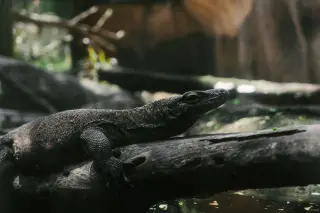

Komodo National Park visitor numbers and wildlife protection explained
Komodo National Park recorded 334,206 visits in 2024, while its monitored Komodo dragon population stood at 3,396 in 2023. The figures show why touris…

Topics
Komodo National Park recorded 334,206 visits in 2024, while its monitored Komodo dragon population stood at 3,396 in 2023. The figures show why touris…
Komodo dragon numbers reported for the park have risen to 3,396 in 2023, but the species remains Endangered and long-term management planning is under…

Komodo National Park uses zoning, wildlife surveys, patrols and carrying-capacity controls to balance tourism with protection of an endangered dragon…

Komodo dragons are not native to Thailand. Thai references usually involve trafficking cases or mistaken identity with monitor lizards common in parks…

Rinca Island is one of Komodo National Park’s key dragon habitats, with sources placing its wild Komodo population at about 1,300 or at 1,100-1,500 in…

Komodo dragons walk on all fours with a side-to-side gait, can sprint in short bursts, and usually stay close to their home valleys inside Komodo Nati…
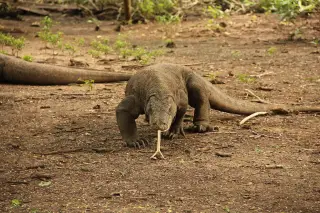
A close-up Komodo dragon is easiest to identify by its forked yellow tongue, rough armored scales, serrated teeth and heavy tail.
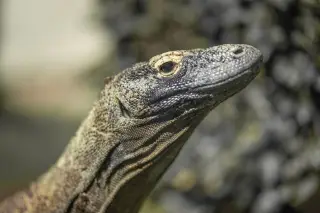
Indonesia plans to send two Komodo dragons to iZoo in Shizuoka under a breeding-loan programme. The zoo houses more than 400 species and 2,000 animals…
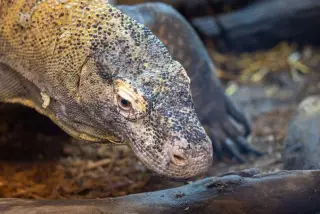
Searchers typing “komodo dragon australia” are usually asking whether the species lives in Australia now or only once did.
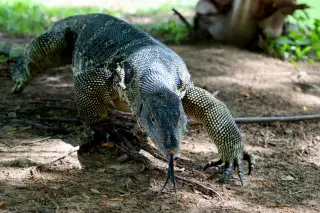
Komodo dragon pictures usually means verified photos of Varanus komodoensis, the world's largest living lizard, especially images from Indonesia's Kom…
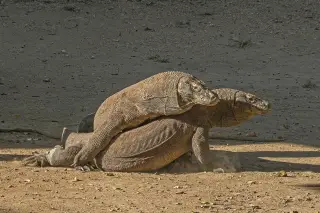
Komodo dragons do not grow up quickly: females lay clutches of eggs, the embryos incubate for months, hatchlings climb trees to avoid adults, and sexu…

Komodo dragons usually avoid people, but they can still injure or kill humans if cornered, threatened or approached too closely. Park records from 197…

Komodo dragons are not spread across Indonesia: their natural range is concentrated in Komodo National Park and a few coastal areas of Flores, with th…
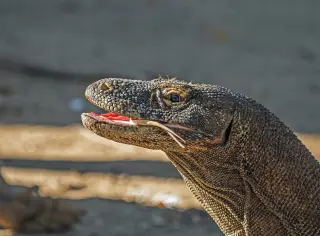
Komodo dragons are carnivores that eat deer, pigs, water buffalo, carrion and even smaller dragons; young dragons begin with insects and small lizards…
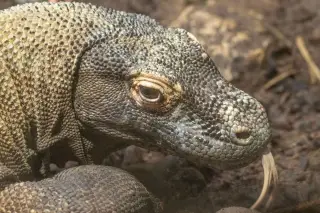
“Cute Komodo dragon” usually means a baby or juvenile dragon: hatchlings are speckled, tiny, and visually less threatening than adults, though they ar…