

How Komodo’s marine forecasts explain current and reef risks
Komodo’s strong tidal currents make marine forecasts central to dive planning. Official guidance combines hourly sea conditions with local navigation…
Topics
Komodo’s strong tidal currents make marine forecasts central to dive planning. Official guidance combines hourly sea conditions with local navigation…
Komodo’s reefs are not a single uniform habitat: official monitoring covers 185 sites, while strong tidal currents shape both the park’s productive wa…
Official monitoring shows sharply different reef conditions at two Komodo sites, while the park’s biodiversity figures reveal why local observations m…
Komodo’s diving conditions depend on more than surface calm: official forecasts separate wind, waves and currents, while research documents the park’s…
Komodo’s marine zone is vast, while reef health is tracked through a defined network of underwater monitoring sites. The official figures show the sca…
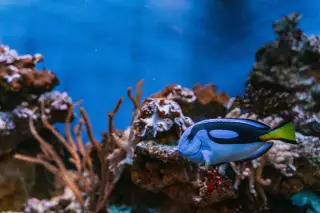
Official and research figures show Komodo National Park is a major marine biodiversity area, with thousands of recorded species and fish-stock measure…
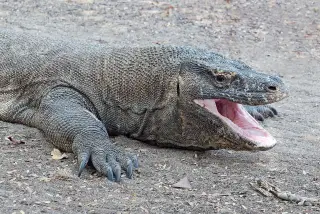
Komodo’s diving is defined by strong tidal currents and site-by-site reef differences. Official sources give the park’s marine share, temperature rang…
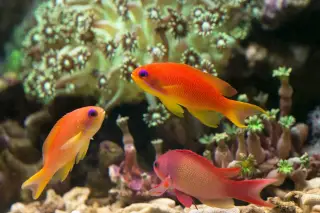
Komodo National Park sits inside the Coral Triangle, where UNESCO and WWF say its waters hold more than 1,000 fish species and more than 260 coral spe…
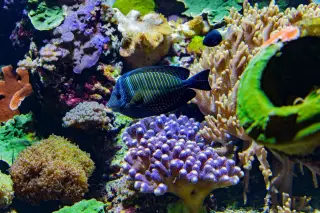
Early management plans and a 2001 stakeholder workplan for Komodo National Park explicitly identified coral-reef communities and mangroves as key mari…
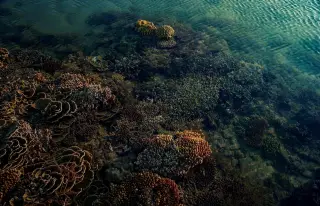
Komodo National Park’s online downloads page consolidates historical information sheets, reports and books on zoning, coral reefs, fisheries and resou…