
Komodo National Park reefs host more than 1,000 fish species, sources say
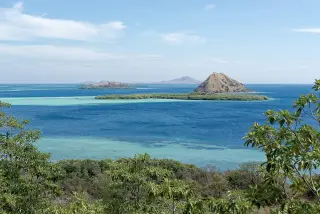
Komodo National Park sits inside the Coral Triangle, where UNESCO and WWF say its waters hold more than 1,000 fish species and more than 260 coral species.
Editor: Mursyid Sonsang
· 3 min read
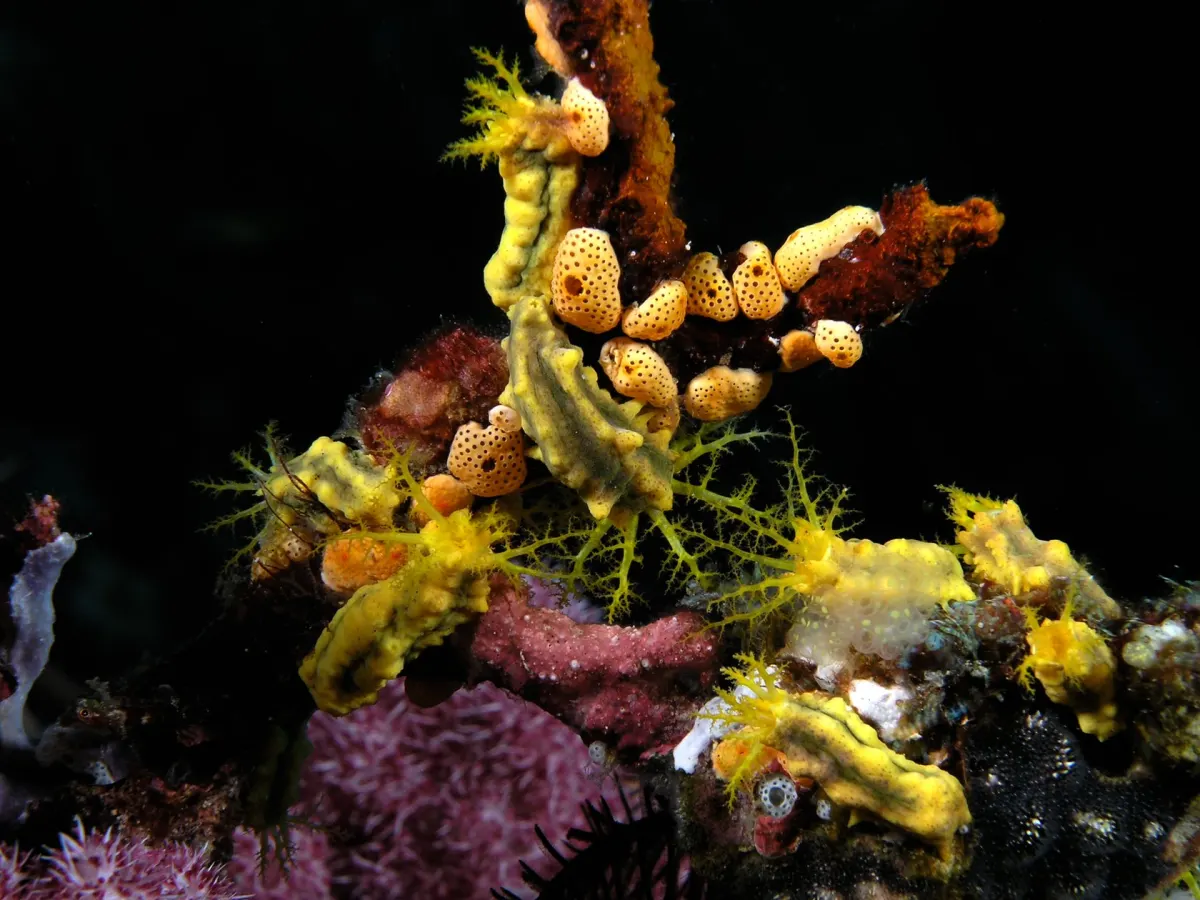
Labuan Bajo — Komodo National Park is widely described as one of Indonesia’s richest marine habitats, with more than 1,000 species of tropical fish and more than 260 species of reef-building coral recorded in the park’s waters, according to UNESCO and the World Wildlife Fund.
The park lies within the Coral Triangle, a global marine biodiversity hotspot, and UNESCO says its reefs also support sponges, marine worms, molluscs, echinoderms, crustaceans and cartilaginous fishes. WWF likewise says Komodo’s waters host more than 1,000 tropical fish species, more than 260 coral species and about 70 sponge species.
Those figures help explain why Komodo draws divers as well as dragon watchers, but they do not mean every site offers the same encounters on every visit. UNESCO describes the park’s rich coral reefs and strong currents as attracting turtles, whales, dolphins and dugongs.
What the sources show
UNESCO says Komodo has one of the world’s richest marine environments, with more than 260 species of reef-building coral and more than 1,000 species of bony fishes. WWF gives a similar account, saying the park holds more than 1,000 species of tropical fish, more than 260 species of reef-building coral and around 70 species of sponges.
The numbers are broadly consistent across the independent sources, although both present them as general biodiversity figures rather than as the result of a newly published park-wide survey. A separate conservation page from Seacology also says the park provides habitat for more than 1,000 species of fish, about 260 species of reef-building coral and 70 species of sponge.
The same sources point to a marine ecosystem that includes manta rays, sharks, turtles and other pelagic species. UNESCO mentions sea turtles, whales, dolphins and dugongs, while WWF lists sharks and marine mammals among the park’s notable wildlife.
Why the figure matters
Komodo’s marine biodiversity is significant because it supports both tourism and conservation priorities. The park is not only a Komodo dragon stronghold; it is also a major reef system in the Coral Triangle, where tidal currents and diverse habitats help sustain a wide range of species.
For visitors, the practical takeaway is simple: Komodo is known for exceptional variety, but marine sightings depend on site, season and conditions. The same waters that bring biodiversity also create strong currents and highly localised encounters.
For conservation readers, the broader point is that the park’s value is ecological as well as iconic. Protecting Komodo means protecting reefs, seagrass-linked habitats and the food web that supports turtles, dolphins, dugongs and reef fish across the park’s marine area.
Context
Komodo National Park is part of the wider Coral Triangle, the region recognized by conservation groups as a global centre of marine diversity. UNESCO’s description places the park among marine areas of outstanding importance for coral and fish diversity, while WWF highlights the same basic picture through its biodiversity summary.
In practice, that makes Komodo a destination where land and sea conservation overlap. The park’s dragons may be its best-known symbol, but its reefs are a major part of the same protected landscape.
Sources
Next story
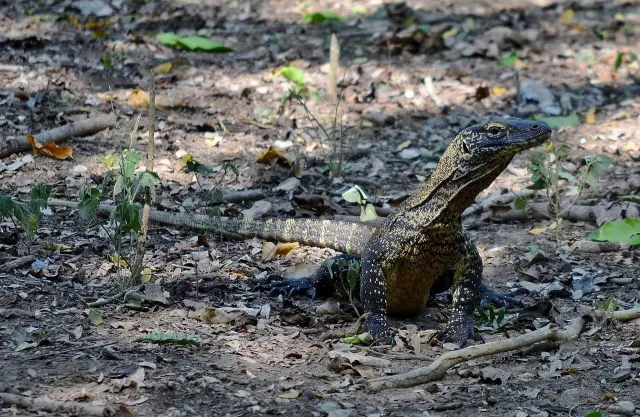
Why young Komodo dragons spend their first months in trees
Young Komodo dragons use trees as refuge from adult dragons and other predators. The age at which they move to the ground varies by source, but both a…
Related