
What divers should know about Komodo’s currents and reef health
Komodo’s diving is defined by strong tidal currents and site-by-site reef differences. Official sources give the park’s marine share, temperature ranges and contrasting 2026 coral-monitoring results.
By Pandi Muktar
Editor: Mursyid Sonsang
· 2 min read
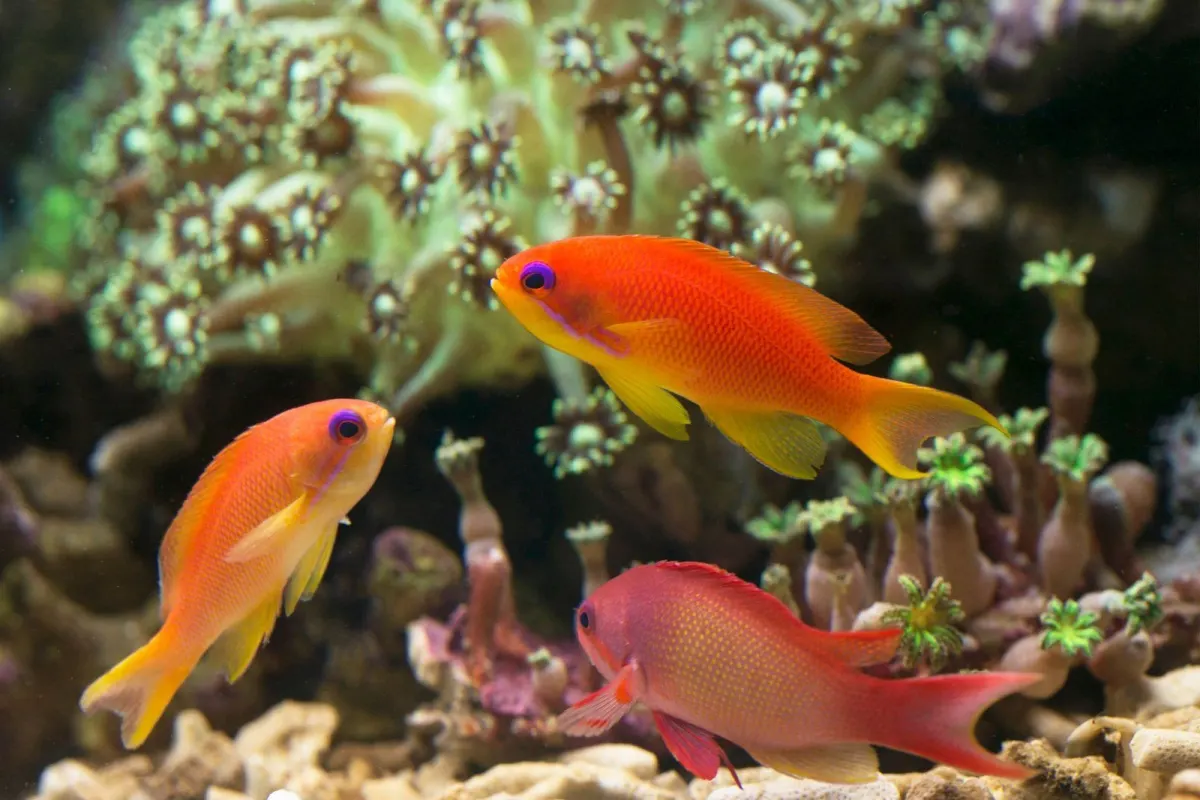
Komodo National Park’s diving conditions are shaped by strong tidal currents, shallow straits, varied reef habitat and changing water temperatures. The park authority describes the currents as a navigation hazard, while recent monitoring found sharply different coral conditions at Siaba Besar and Mauwan, showing why a site-specific view matters.
Why are currents important for diving in Komodo?
The straits between Rinca and Flores and between Padar and Rinca are relatively shallow, measuring 30 to 70 metres, and have strong tidal currents, according to the Komodo National Park authority’s park overview, updated September 23, 2026.
The same source says the combination of strong currents, coral reefs and islets makes navigation around the islands difficult and dangerous. This is a physical feature of the park, not a condition that can be represented accurately by a single forecast for the entire area.
How large is the marine area?
The park’s total area is 1,817 square kilometres, and its marine area constitutes 67% of the park, according to the authority’s overview updated September 23, 2026. The park’s marine ecosystems include seagrass beds, coral reefs and mangrove forests.
The overview also reports that water temperatures range from 25 to 29°C in the north, 24 to 28°C in the central area and 22 to 28°C in the south. These are geographic ranges given by the park authority, not a single temperature for every dive site.
Are Komodo’s reefs healthy?
Recent official monitoring shows that reef condition varies by site. A Komodo National Park dive-team report published by Indonesia’s conservation agency KSDAE on January 18, 2026, recorded relatively healthy reef condition at Siaba Besar at 71.5%, with hard coral cover at 64.5% and dead coral at 14%.
At Mauwan, the same monitoring identified healthy reef at 32%, while rubble was recorded at 63%; its cover included 44.5% rubble and 23% hard coral, according to KSDAE, 2026. The figures use different categories, so they should not be treated as one park-wide reef score.
What marine life does the park support?
The park authority says its marine habitats harbour more than 1,000 fish species, some 260 reef-building coral species and 70 sponge species, according to the park’s main information page, updated November 8, 2025.
This diversity is linked to a mix of coral reefs, mangroves, seagrass beds, seamounts and semi-enclosed bays. The presence of diverse habitat explains why conditions and sightings can differ substantially between nearby locations.
Sources
Read next
More on this story
Travel & Access
Eleven tourists pay IDR 19 million Komodo tour debt
Eleven foreign tourists paid IDR 19 million (about US$1,100) owed for a Komodo National Park tour on 22 September 2026 after police visited their acco…
Latest in Marine & Diving
Related