

Reports highlight Komodo National Park’s wildlife and marine habitats
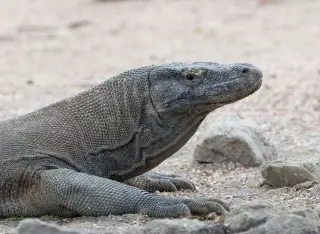
Reports describe Komodo National Park as a habitat for Komodo dragons and yellow-crested cockatoos, with coral reefs, fish and larger marine animals in its waters.
· 2 min read

Labuan Bajo — Komodo National Park in Manggarai Barat, Flores, remains a habitat for Komodo dragons and yellow-crested cockatoos, while its waters support coral reefs, fish and larger marine animals, according to reports from WWF-Indonesia and UNESCO.
WWF-Indonesia reported that populations of both Komodo dragons and yellow-crested cockatoos in the park were rising and stabilising. The organisation said the park office and WWF-Indonesia were implementing the first phase of the Tropical Forest and Coral Reef Conservation Action programme through 2027.
The programme covers conservation-area management and zoning, marine-resource monitoring, ecological monitoring and public awareness of sustainable fishing and tourism practices, WWF-Indonesia said.
UNESCO describes the park as part of a biosphere reserve situated between Flores and Sumbawa. Its marine environment includes coral reefs, more than 260 species of reef-building coral and more than 1,000 species of bony fish.
UNESCO also lists marine reptiles including green and hawksbill turtles, and marine mammals including dolphins, whales and dugongs. The organisation identifies the lesser sulphur-crested cockatoo among the reserve’s bird species.
Why it matters to readers
The reports show that Komodo National Park combines terrestrial wildlife protection with marine conservation. WWF-Indonesia said coral reefs support coastal communities and tourism, while the programme’s stated priorities include monitoring marine resources and ecological conditions.
The park’s wildlife and marine habitats therefore remain linked conservation concerns for visitors and authorities. WWF-Indonesia said the programme would continue through 2027, while UNESCO provides the broader ecological context for the protected area.
Sources
Read next
More on this story
Travel & Access
BMKG warns of thunderstorm risk in Labuan Bajo on 1 November
BMKG forecasts thick cloud, rain and a chance of thunderstorms in Labuan Bajo on Sunday, 1 November 2026. Nearby waters also face a warning of wind gu…
Latest in Wildlife
Today’s top story

Related