
How Komodo National Park protects manta rays and marine biodiversity
Komodo National Park protects a linked island-and-sea ecosystem. Official park data and peer-reviewed research explain its scale, marine diversity and the science used to track reef manta rays.
Editor: Mursyid Sonsang
· 3 min read
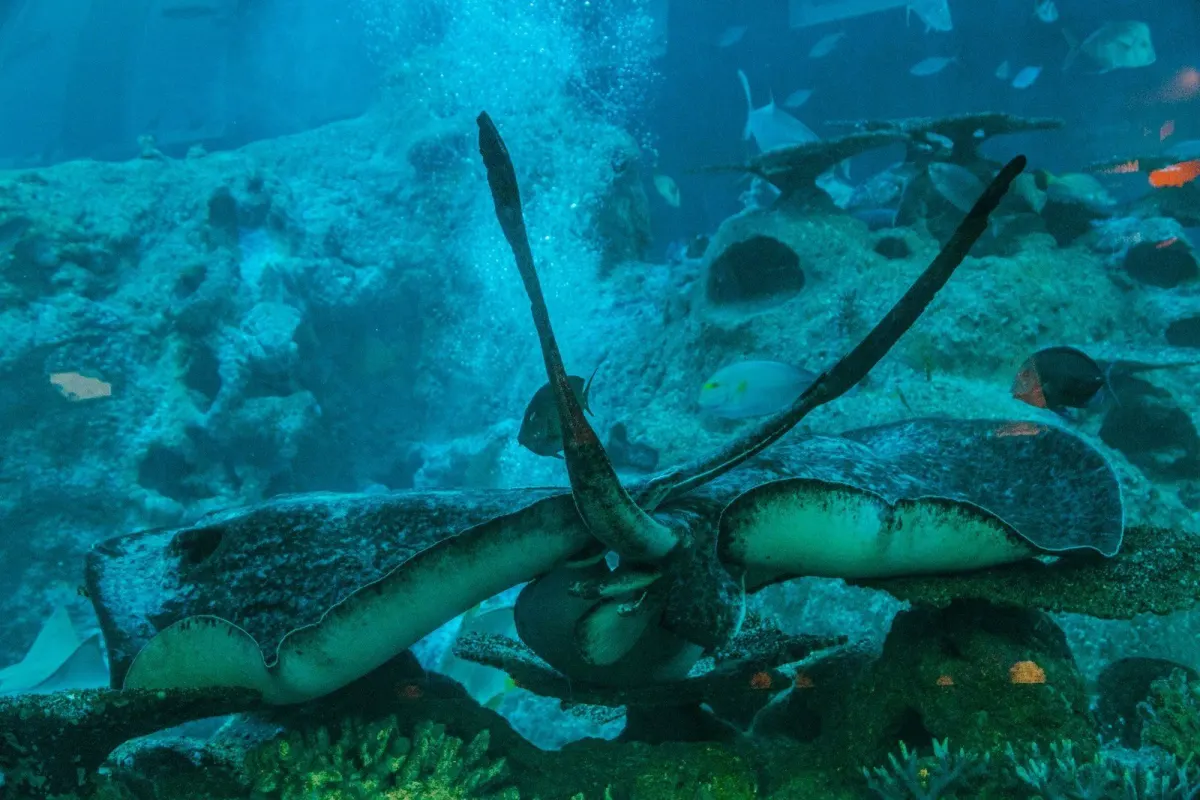
Komodo National Park protects a connected land-and-sea ecosystem, not only the lizard that gives it its name. Its waters contain more than 1,000 fish species and at least 260 reef-building coral species, while long-term photo-identification research has recorded 1,104 individual reef manta rays using habitats within the park.
How large is Komodo National Park?
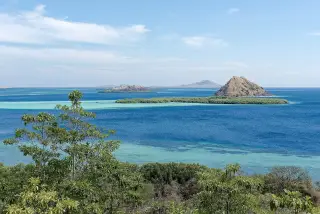
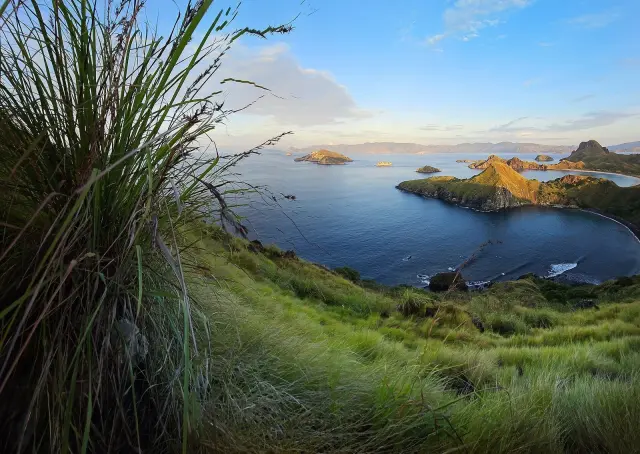
The park covers about 181,700 hectares of land and sea, according to the Komodo National Park Environmental Assessment Study. Its principal islands include Komodo, Rinca and Padar, alongside smaller islands.
A separate park information page states the present total size as 1,817 square kilometres, showing the same broad scale in different units. The park’s marine and terrestrial habitats are managed as one conservation landscape.
What marine life does the park protect?
Komodo’s marine habitats include reefs, mangroves, seagrass beds and bays. The park’s environmental assessment records more than 1,000 fish species, at least 260 reef-building coral species and 70 sponge species.
The same assessment identifies manta rays, sea turtles, dolphins and whales among the park’s large marine fauna. Green and hawksbill turtles are recorded as nesting in the park.
How many manta rays use Komodo’s waters?
A peer-reviewed study published in 2022 analysed photographs collected from 2013 to 2018 at four sites in the park. Researchers identified 1,104 reef manta rays, Mobula alfredi, in the long-term photo-identification library.
The study found that Komodo National Park is important habitat for reef mantas, including aggregation sites where individual rays show strong preferences while moving between locations inside the park. Photo-identification allows researchers to recognise animals by their natural markings and follow movements without capturing them.
Why does monitoring matter?
The manta-ray study says that a conservation area of roughly 2,000 square kilometres can provide long-term protection when it includes critical habitats and the population’s different demographic groups. That makes habitat mapping and repeated observation central to conservation decisions.
The Marine Megafauna Foundation says its Indonesia work studies manta movement, behaviour and reproductive ecology to identify critical habitats, home ranges and human-caused threats. The approach links wildlife science with management of the surrounding seascape.
What does this mean for wildlife conservation?
The evidence shows why Komodo’s conservation story cannot be reduced to a single species. Protecting the park means maintaining the terrestrial islands and the marine habitats used by fish, corals, turtles and manta rays, while research tracks how those animals use space over time.
For readers visiting Labuan Bajo or the park’s surrounding seas, the most useful scientific fact is that many animals are being monitored as populations and as individuals. That information helps identify habitats whose protection matters beyond any one encounter.
Sources
Read next
More on this story
Komodo National Park
East Nusa Tenggara caps Komodo visits at 50,000 a year
East Nusa Tenggara will limit foreign and domestic visits to Komodo National Park in West Manggarai, Flores, to 50,000 annually. Visitors must also ho…
Latest in Wildlife

Today’s top story

Related