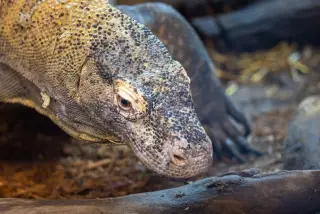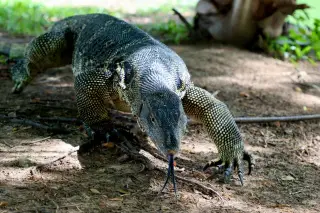

Komodo dragon pictures: how to find real photos of the species
Komodo dragon pictures usually means verified photos of Varanus komodoensis, the world's largest living lizard, especially images from Indonesia's Komodo National Park and nearby islands.
Editor: Mursyid Sonsang
· 3 min read
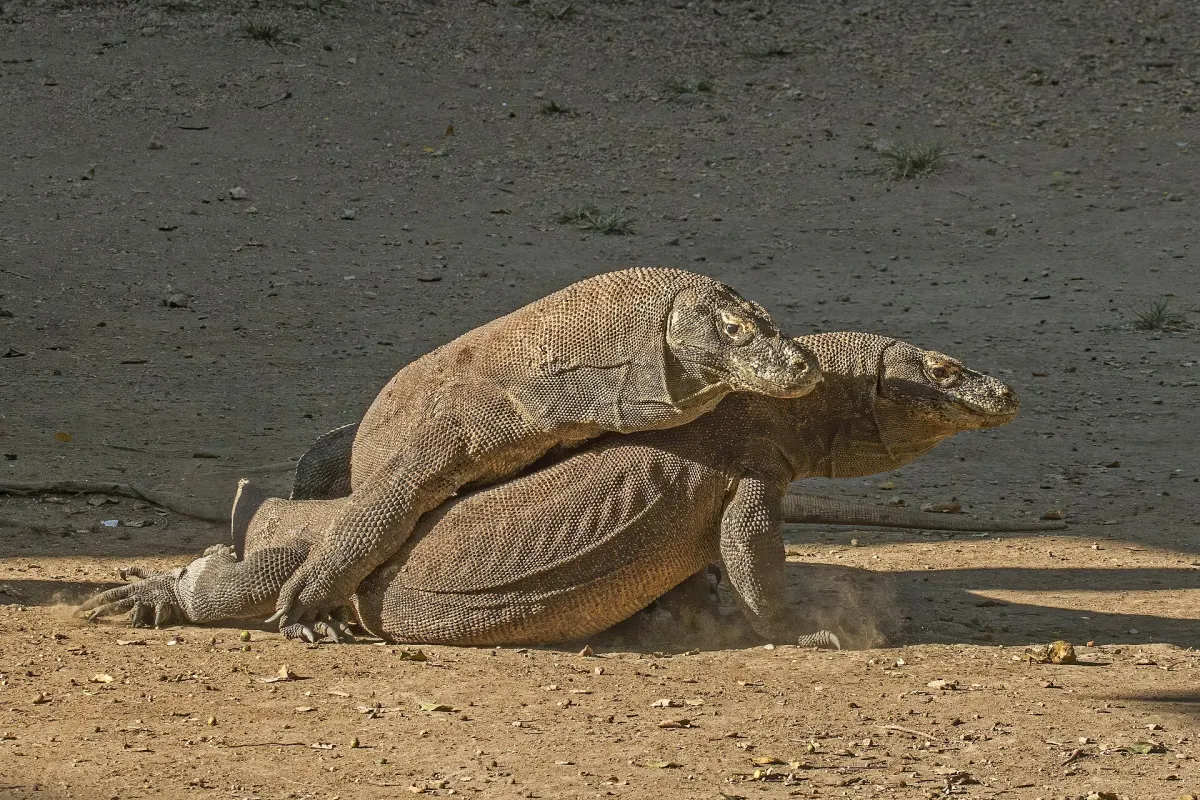
Komodo dragon pictures — usually refers to photos of Varanus komodoensis, the world’s largest living lizard, and the images most readers want are of the animal in its natural Indonesian range, especially Komodo National Park and nearby islands. For a reliable visual search, the safest starting point is a species gallery such as Wikimedia Commons, which groups images by the scientific name rather than by a commercial stock-photo tag.
What do Komodo dragon pictures usually show?
Most photo galleries and news images show the same core features: a large, heavy lizard, scaly skin, strong limbs, a long tail and a yellow forked tongue. National Geographic says Komodo dragons can reach up to 10 feet in length and more than 300 pounds, while a 2024 report on the species notes the largest confirmed specimen reached 3.13 meters and 166 kilograms.
Those numbers matter because they explain why the animal looks so different from other monitor lizards in photographs. The size and build are part of what makes the species instantly recognizable in close-up images.
Where are the best authentic photos from?
For place-based images, the species’ natural range is the key filter: Komodo dragons are found on the Indonesian islands of Komodo, Rinca, Flores and Gili Motang, according to National Geographic and Wikimedia Commons. That means a genuine Komodo dragon picture should usually be tied to Indonesia rather than a zoo, studio or unrelated stock scene.
Wikimedia Commons also maintains a dedicated Varanus komodoensis category and a gallery page for selected files, which makes it useful when a reader wants to verify that the image really matches the species.
How can readers tell a real Komodo dragon image from a mislabeled one?
The species name is the first check: Varanus komodoensis is the Komodo dragon. If the image is labeled only “dragon,” “komodo,” or another vague term, it may be a stock-photo keyword rather than a verified wildlife record.
- Look for the scientific name Varanus komodoensis.
- Check whether the setting is Indonesia, especially Komodo National Park or nearby islands.
- Be cautious with stock sites that list tens of thousands of “Komodo” images, since keyword counts do not verify species identity.
Why do some searches return stock photos instead of wildlife records?
Search results for this phrase are crowded by commercial image libraries, including Shutterstock and similar sites, which list large numbers of “Komodo dragon” images for download. Those results show demand, but they do not tell readers whether a photo is scientifically identified, taken in the wild, or staged in captivity.
For wildlife readers, that distinction matters because a picture of the species is more useful when its origin is clear. A verified image from a species gallery or a named photo archive is more informative than a generic stock thumbnail.
What should readers know before using Komodo dragon pictures?
Use the animal’s full scientific name when you search, and treat the location as part of the caption, not just the subject. In wildlife reporting, a Komodo dragon image is most credible when the species name, place and photographer or archive are all visible in the source record.
That approach helps avoid misidentification and keeps the search focused on the real animal that lives in eastern Indonesia.
Sources
Read next
More on this story

Travel & Access
Komodo National Park fees, reservations and sea-weather checks explained
Komodo National Park entry now combines published tariffs, an online SIORA reservation and a daily visitor quota, while BMKG marine forecasts provide…
Latest in Wildlife

Related