

Cute Komodo dragon: Why baby Komodo dragons look So different
“Cute Komodo dragon” usually means a baby or juvenile dragon: hatchlings are speckled, tiny, and visually less threatening than adults, though they are still endangered wild reptiles from eastern Indonesia.
· 3 min read
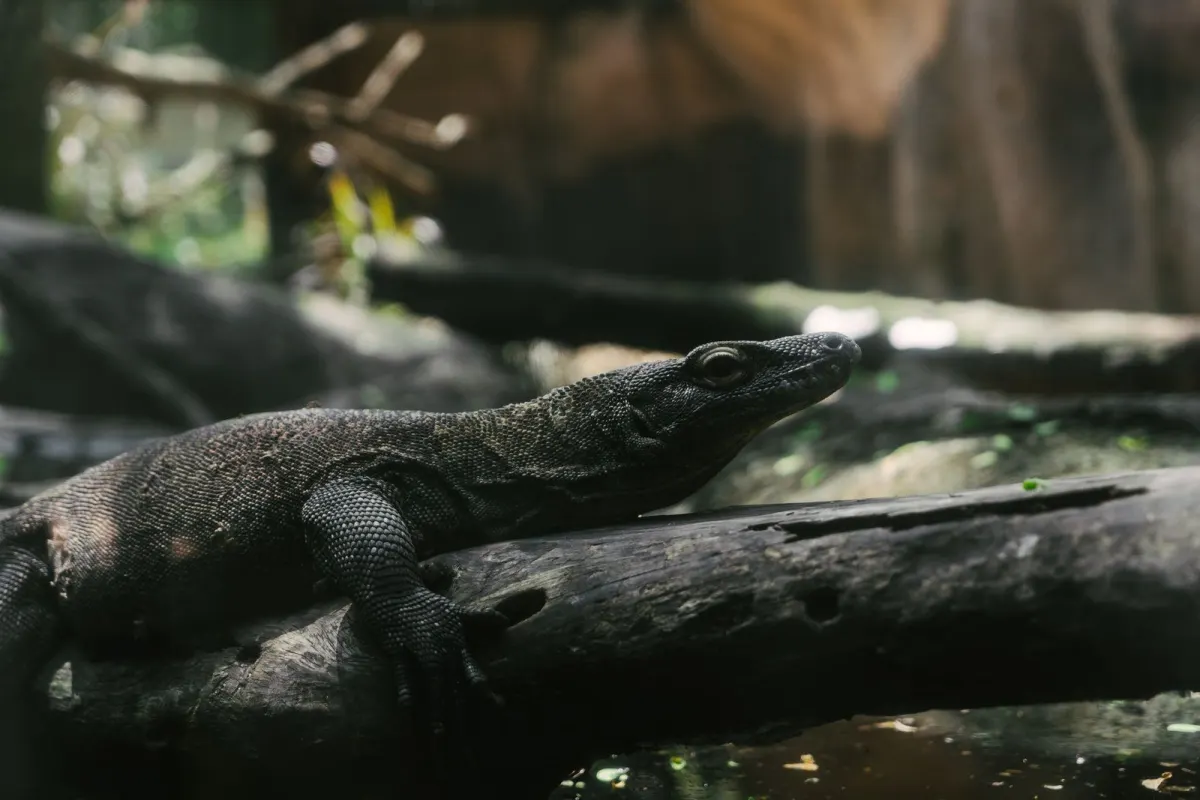
“Cute Komodo dragon” usually refers to a baby or juvenile Komodo dragon: hatchlings have a speckled yellow-and-orange look that makes them appear softer and less intimidating than adults, while they are still the same species found in Komodo National Park and nearby Indonesian islands.
Why do baby Komodo dragons look cute?
Young Komodo dragons are born with vibrant speckled markings, while adults are mostly dull earth tones; that contrast is a big reason images of hatchlings read as “cute” to readers online. San Diego Zoo says the species is the largest living lizard in the world, which makes the baby version visually striking because it pairs a tiny body with a famously large reptile species.
One recent zoo report said Komodo dragon hatchlings measured between 11 and 17 inches long and weighed between 1.7 and 4.2 ounces, showing just how small the babies are compared with adult animals.
Are baby Komodo dragons safe from adult dragons?
No. Juvenile Komodo dragons spend much of their early life in trees, which helps them stay out of reach of larger Komodos on the ground, according to a 2018 field photo report from Rinca Island. That tree-dwelling habit is part of how young dragons avoid danger while they are still small.
Where do readers usually see Komodo dragons in the wild?
The species is endemic to the Indonesian islands of Komodo, Rinca, Flores, Gili Dasami, and Gili Motang, with the largest extant population in Komodo National Park, according to San Diego Zoo. RRI said the animal is one of the main attractions in Komodo National Park, where it is presented as an emblematic part of Indonesia’s natural heritage.
Why does this topic matter for wildlife coverage?
Komodo dragons are listed as endangered, and San Diego Zoo says habitat loss and fragmentation reduce breeding between subpopulations, which makes the survival of young dragons and their habitat important beyond their viral image appeal. A 2026 report also said the National Institute of Ecology in South Korea planned to unveil a confiscated Komodo dragon at its CITES animal protection facility on September 23, showing ongoing public-interest handling of the species outside Indonesia.
What should readers remember about the “cute” image online?
- The “cute” label usually applies to hatchlings, not adults, because young Komodo dragons have speckled colors and a smaller body shape.
- One zoo report gave hatchling sizes of 11 to 17 inches and 1.7 to 4.2 ounces.
- Even as babies, they are wild endangered reptiles that belong to an island species found in eastern Indonesia.
Sources
Read next
More on this story

Labuan Bajo
Things to do in Labuan Bajo: town sights, boats and Komodo trips
Labuan Bajo combines a working harbour, land-based sights and boat access to Komodo National Park. Here is how the main activities differ, including t…
Latest in Wildlife

Today’s top story

Related