

Komodo dragon population: why 3,396 recorded animals still need protection
Komodo dragon numbers reached 3,396 recorded individuals in 2023, yet the species remains Endangered because fewer than 1,400 mature adults are estimated. Here is why both facts matter.
· 2 min read
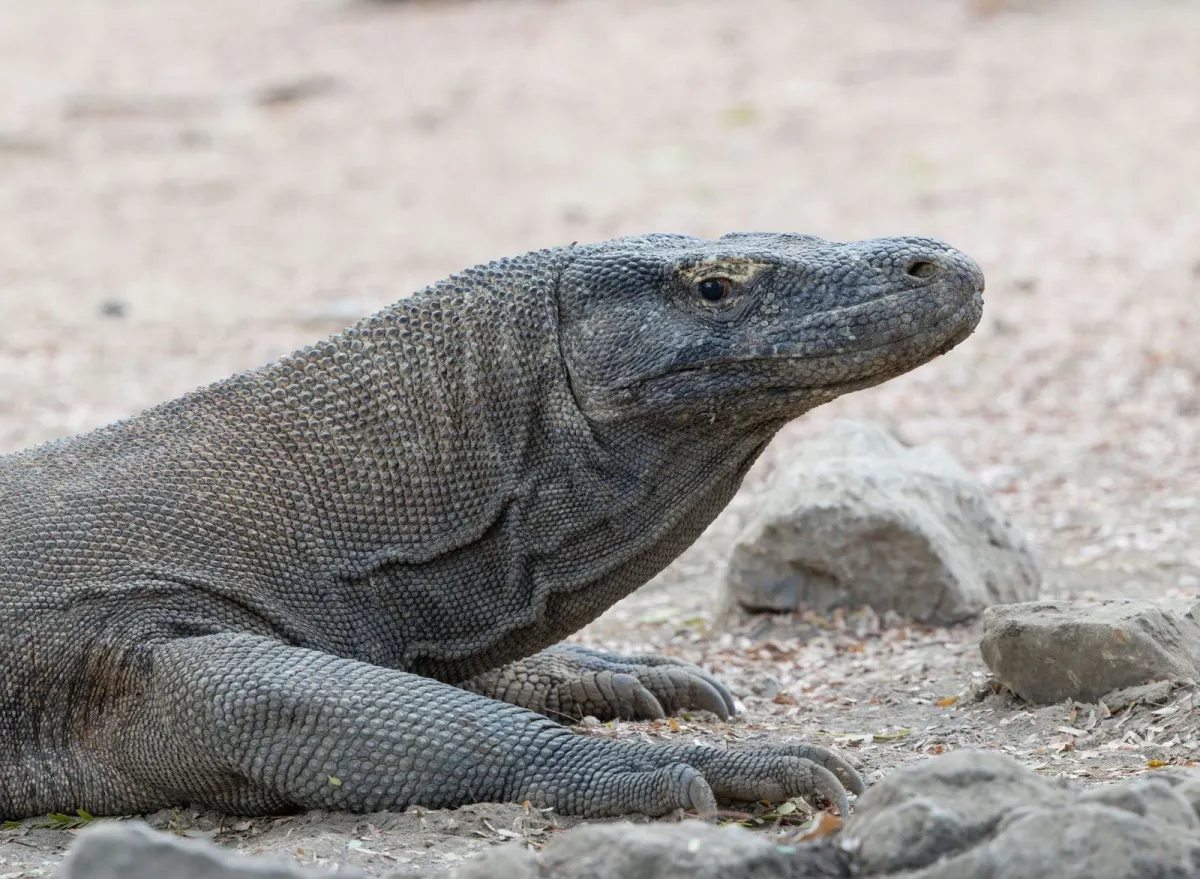
Komodo National Park’s wildlife story is not just about how many dragons live there: the strongest official trend shows 3,396 individual Komodo dragons recorded in 2023, while the species remains Endangered because its estimated mature population is fewer than 1,400. That combination explains why monitoring, habitat protection and patrols remain central to conservation.
How many Komodo dragons are in the park?
Indonesia’s conservation statistics recorded 3,396 individual Komodo dragons across the park in 2023, according to the IUCN World Heritage Outlook, 2025, citing Indonesia’s State Party reporting. The same series lists 2,897 individuals in 2018, 3,022 in 2019, 3,163 in 2020, 3,303 in 2021 and 3,156 in 2022.
These are monitored individuals across the park, not an estimate of mature breeding adults. The IUCN says the species’ estimated adult population is fewer than 1,400, a separate measure used in its Endangered assessment in 2021.
Why is the species still Endangered?
The Komodo dragon was listed as Endangered on the IUCN Red List in 2021. The assessment cited eight subpopulations, fewer than 1,400 mature individuals and climate modelling that suggested a possible decline of more than 30% over 40 years from 2010, according to the IUCN World Heritage Outlook, 2025.
A stable or rising count in one monitoring series therefore does not remove the species’ wider risks. Small, separated subpopulations and threats affecting habitat, prey and climate resilience remain relevant to conservation decisions.
How does monitoring protect the animals?
Park managers use repeated surveys and digital data collection to compare wildlife records over time. The IUCN reported that monitoring covers Komodo dragons and yellow-crested cockatoos, alongside plans to strengthen monitoring of prey such as rusa deer, Asian water buffalo and wild boar, according to the IUCN World Heritage Outlook, 2025.
Indonesia’s conservation authority had fitted 1,253 Komodo dragons with PIT tags by 2021, according to the Directorate General of Conservation of Natural Resources and Ecosystems, as cited in Komodo Times’ 2026 explainer. Marking individuals helps researchers distinguish repeated sightings from new animals in long-term records.
What role do patrols play?
Patrols complement biological monitoring by addressing illegal activity in both terrestrial and marine areas. Global Conservation reported that patrol coverage expanded from 114,000 hectares in 2024 to 125,000 hectares in 2025, according to its 2025 progress report published in 2026.
The same report said rangers recorded 109 unauthorised boats during monthly patrols in 2025, while a surveillance system at Loh Wenci detected seven real-time poaching incidents after it became operational in March 2025. These figures describe enforcement activity, not the size of the dragon population.
Sources
Read next
More on this story
Travel & Access
BMKG warns of thunderstorm risk in Labuan Bajo on 1 November
BMKG forecasts thick cloud, rain and a chance of thunderstorms in Labuan Bajo on Sunday, 1 November 2026. Nearby waters also face a warning of wind gu…
Latest in Wildlife

Today’s top story

Related