
How science and patrols protect Komodo’s marine wildlife
Komodo National Park protects far more than its famous lizards: official records describe a highly diverse marine ecosystem where coral, turtles, manta rays and patrol data shape conservation.
Editor: Mursyid Sonsang
· 3 min read
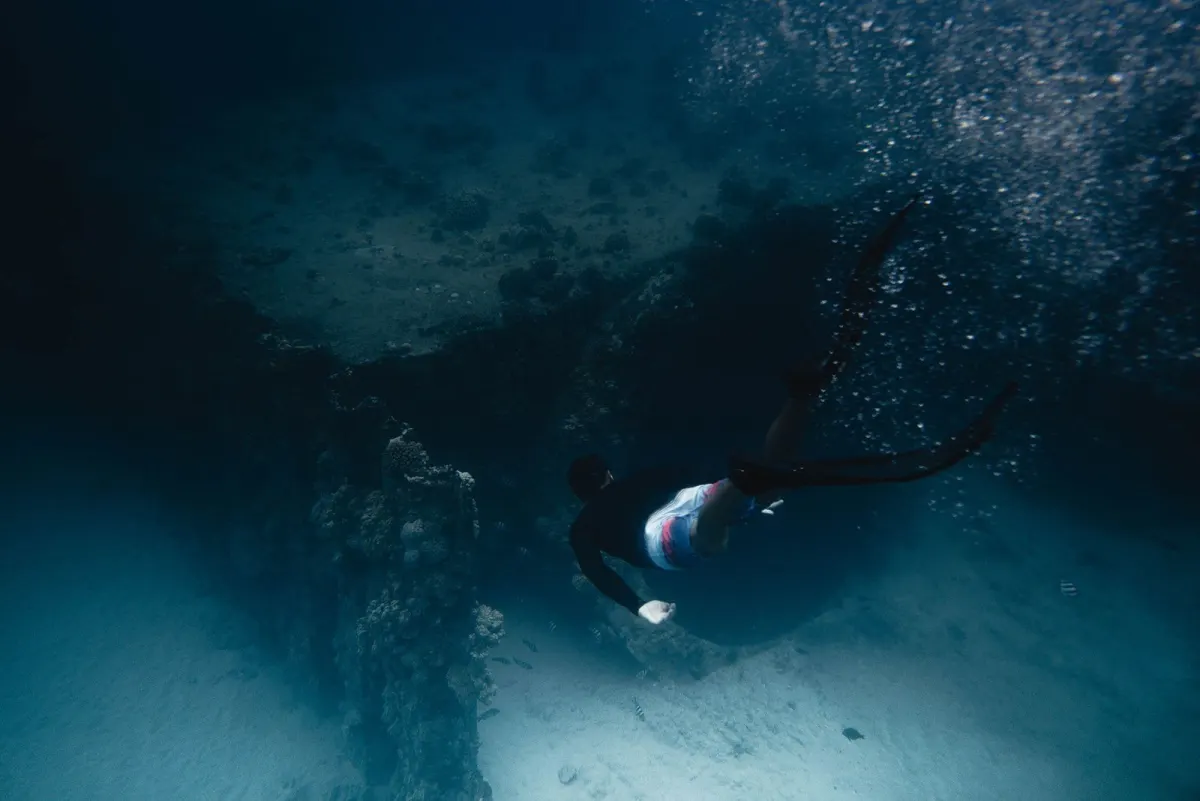
Komodo National Park’s marine wildlife is protected through a combination of habitat protection, patrols and scientific monitoring. Official descriptions record more than 1,000 species of bony fish, more than 260 reef-building coral species, and green and hawksbill turtles in the park’s waters, while patrol and data systems help authorities track pressures on this ecosystem.
How diverse are Komodo’s waters?
Komodo is recognised as a particularly rich marine environment within the Coral Triangle. UNESCO’s Man and the Biosphere Programme records more than 260 species of reef-building coral, 70 species of sponge and more than 1,000 species of bony fish in the park, according to UNESCO, 2026.
The marine habitat also includes marine reptiles and mammals. UNESCO identifies green turtles and hawksbill turtles, as well as dolphins, whales and dugongs, among the wildlife associated with Komodo’s marine environment, according to UNESCO, 2026.
Which turtles are found in Komodo?
Green turtles and hawksbill turtles are the two sea-turtle species specifically identified in UNESCO’s description of the park. They use the wider protected seascape, where coral reefs and other marine habitats provide feeding and shelter areas, according to UNESCO, 2026.
The park’s marine importance is not limited to species counts. The International Union for Conservation of Nature’s World Heritage Outlook identifies Komodo as habitat and a migration route for manta rays and at least 14 species of cetaceans, according to IUCN, 2025.
How does monitoring help protect wildlife?
Monitoring gives managers evidence about wildlife populations, habitats and changes over time. For Komodo’s terrestrial flagship species, Indonesia’s conservation authority has used annual monitoring and mark-recapture methods, with 1,253 individual Komodo dragons fitted with PIT tags, according to the Directorate General of Conservation of Natural Resources and Ecosystems, 2021.
That example illustrates the broader conservation principle: repeated observations create a record that can be compared across years, while patrols address activities that threaten protected habitats. A 2025 progress report by Global Conservation says patrol coverage in the park increased from 114,000 hectares in the previous year to 125,000 hectares in 2025, according to Global Conservation, 2026.
Why do patrols matter in the marine zone?
Marine patrols are intended to detect unauthorised activity inside protected waters. Global Conservation reported that patrol teams intercepted unauthorised fishing boats and illegal tourism vessels during 2025, and that rangers recorded 109 unauthorised boats during monthly patrols, according to Global Conservation, 2026.
These measures do not replace ecological research. Coral, fish, turtle and manta-ray records show what the park contains; patrol and monitoring data help managers identify whether protection is being applied and where enforcement resources are needed.
Sources
Read next
More on this story
Komodo National Park
Flores travel report lists five destinations and reminds visitors about Komodo entry rules
A Pos-Kupang travel report published on 2 October 2026 lists five Flores destinations, while a separate report describes the park authority’s ticket a…
Latest in Wildlife

Today’s top story

Related