
How many sea turtles are in Komodo National Park? What monitoring can show
Komodo National Park’s turtle protection combines nesting surveys, marine management and photo-identification, with 308 individual turtles recorded by one long-term project from 2016 to 2026.
· 2 min read
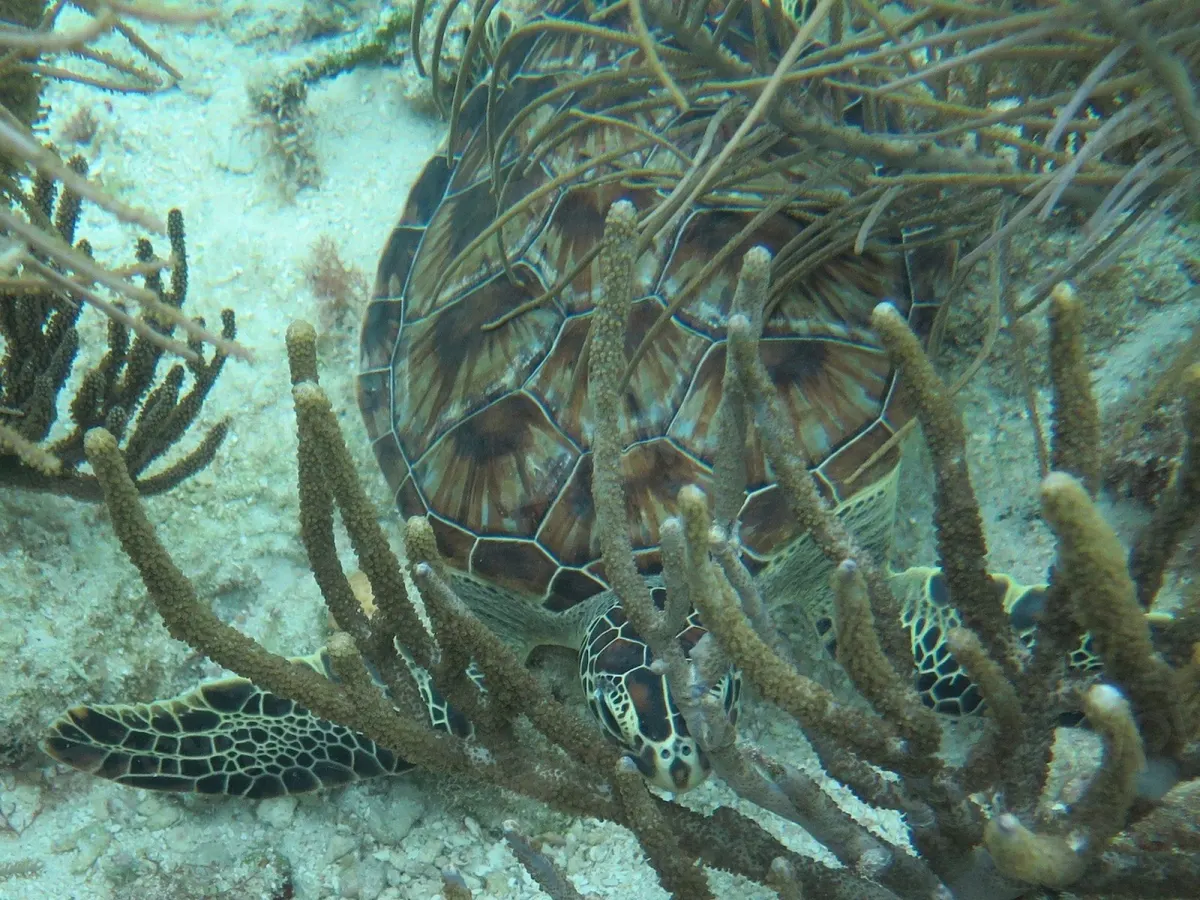
Komodo National Park’s sea turtles are protected through nesting-beach surveys, marine-area management and long-term identification of individual animals. Official park material says turtle nesting rates and observed turtle numbers were stable or increasing, while a research project identified 308 individual turtles in park waters from 2016 to 2026.
How many turtle species are found in Komodo National Park?
Five of the world’s seven sea-turtle species have been recorded in Komodo’s waters, according to Komodo Guide’s summary of park monitoring data, published in 2026. Green turtles and hawksbill turtles are the species most frequently described in the park’s monitoring and conservation material.
The park’s Environmental Assessment Study also records green and hawksbill turtles nesting on its beaches and says marine-protected-area management contributes to conserving turtles that live in or migrate through the park.
How many turtles have researchers identified?
The Indonesia Sea Turtle Project reports 308 individual turtles identified in Komodo National Park between 2016 and 2026. The project uses non-invasive photographs and size measurements to follow hawksbill and green turtles across repeated encounters.
That figure counts identified individuals in the project, not the total turtle population in the park. It therefore provides a long-term monitoring record rather than a complete census.
How often do turtles nest in the park?
Komodo Guide reports approximately 200 nesting events per year across the park’s beaches, based on its summary of marine monitoring information published in 2026. The figure counts nesting events, not individual females or hatchlings.
The Environmental Assessment Study says turtle-nesting beach surveys are in place and report nesting rates as stable or increasing. It also says observed turtle numbers were stable or increasing, with reduced observed mortality and injury linked to human activities.
What does monitoring reveal about conservation?
Photo-identification helps researchers recognise the same turtle across different sightings, while nesting-beach surveys track reproduction. Together, these methods distinguish evidence about individual animals, nesting activity and broader trends.
For visitors and conservation readers, the key point is that protection is measured through several indicators rather than sightings alone: identified turtles, nesting events, beach-survey trends and records of mortality or injury.
Sources
Read next
More on this story
Travel & Access
BMKG warns of thunderstorm risk in Labuan Bajo on 1 November
BMKG forecasts thick cloud, rain and a chance of thunderstorms in Labuan Bajo on Sunday, 1 November 2026. Nearby waters also face a warning of wind gu…
Latest in Wildlife
Today’s top story
Related