
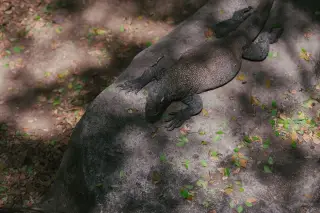
Six captive-bred Komodo dragons released at Wae Wuul Nature Reserve
Six captive-bred Komodo dragons from Taman Safari Indonesia were flown to Labuan Bajo on 15 August 2023 for habituation before their release in Wae Wuul Nature Reserve.
· Event date: · 5 min read Updated
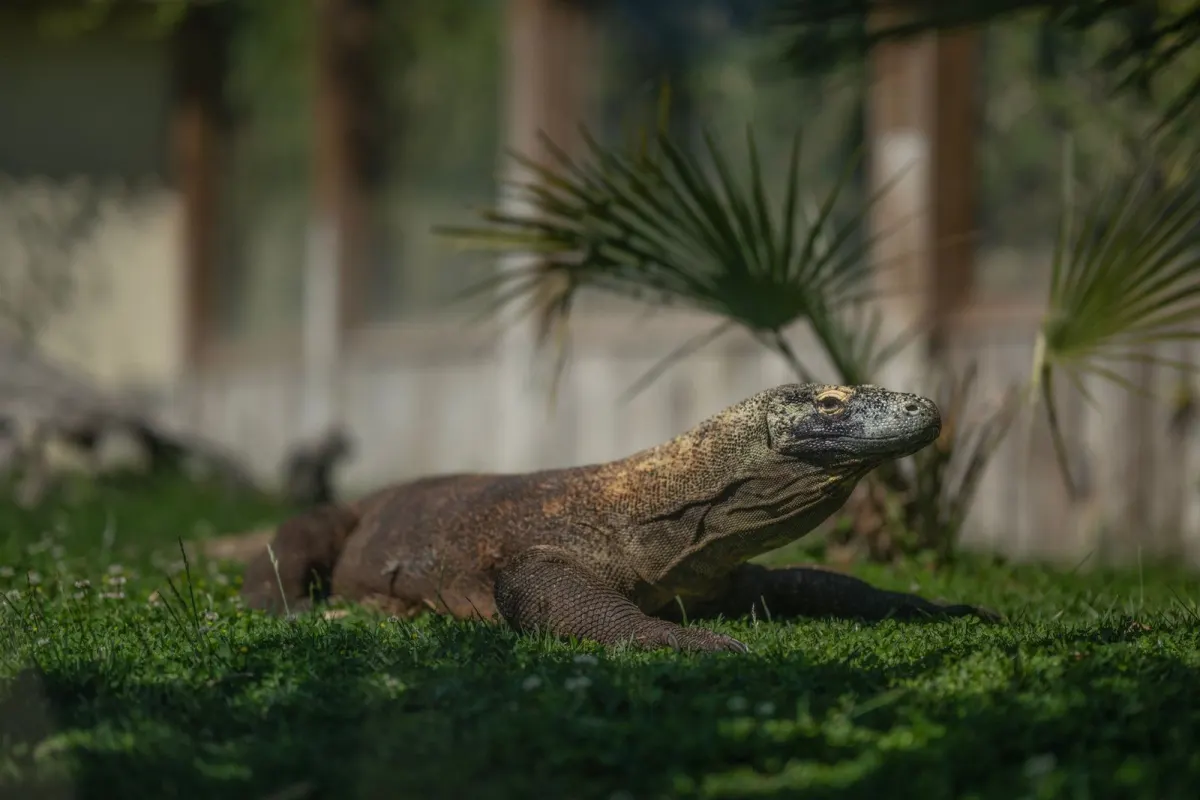
Labuan Bajo — Six captive-bred Komodo dragons from Taman Safari Indonesia in Bogor arrived in Labuan Bajo, Flores, on 15 August 2023 before a planned release in the Wae Wuul Nature Reserve, East Nusa Tenggara, as part of a national conservation campaign led by Indonesia’s Ministry of Environment and Forestry (KLHK).
The transfer was intended to strengthen wild Komodo populations by linking ex-situ conservation in zoological facilities with in-situ conservation in natural habitat, according to KLHK. The ministry described the initiative as part of the Hari Konservasi Alam Nasional (National Nature Conservation Day) programme under the theme “Ora Kole Beo”, translated in official statements as “Komodo returning home”.
KLHK said the six dragons were flown from Soekarno–Hatta International Airport to Komodo Airport on a Garuda Indonesia cargo flight and then transported by the Nusa Tenggara Timur Natural Resources Conservation Agency (BBKSDA NTT) to the Wae Wuul Nature Reserve for a period of habituation before release. The programme was organised by KLHK’s Directorate General of Conservation of Natural Resources and Ecosystems, working with BBKSDA NTT, the West Java conservation agency and Taman Safari Indonesia, with financial and logistical support from PT Smelting.
From captive breeding to release readiness
According to KLHK and BBKSDA NTT, the six Komodo dragons hatched in captivity at Taman Safari Indonesia Cisarua, Bogor, in 2020 as part of a captive breeding programme backed by PT Smelting. Officials and local media reports state that the juveniles are offspring of a male named Rangga and a female named Rinca, adults kept at the Bogor facility.
Taman Safari’s life sciences team told Indonesian media that the animals were prepared for life outside a zoo from an early age, with management designed to maintain natural behaviours. Their preparation included limiting direct contact with people, providing live prey to encourage hunting and feeding responses, and adding environmental features such as trees and structures that allowed the dragons to climb and explore.
The release programme did not treat captive breeding alone as proof of readiness. KLHK said behavioural assessments were conducted with input from applied ecology researchers at Indonesia’s National Research and Innovation Agency (BRIN). Officials described four broad indicators used to evaluate the dragons before release: aggression and wildness, hunting ability and prey consumption, tree-climbing behaviour and adaptation to the environment. Detailed individual scores and veterinary files were not made public in the statements and media reports consulted.
Habituation in Wae Wuul and post-release monitoring
KLHK and BBKSDA NTT stated that the six Komodo dragons would undergo around one month of habituation in a holding enclosure inside Wae Wuul Nature Reserve before being released. Subsequent coverage by local and national media reported that the animals remained in a habituation pen for about 40 days, from 15 August until they were released on 23 September 2023.
On 23 September 2023, BBKSDA NTT and KLHK officials formally released all six dragons into the wild at Wae Wuul, during the peak events of National Nature Conservation Day. Officials quoted in Floresa.co and other outlets said all six released dragons were male and that they were genetically linked to Komodo dragons originating from the Wae Wuul area.
KLHK and partner institutions emphasised that post-release monitoring would rely on GPS-based telemetry. Media reports quoting Taman Safari’s science department and BBKSDA NTT explained that devices would be attached to the dragons to track movements and allow rangers and researchers to analyse activity patterns, dispersal and habitat use in Wae Wuul over an estimated monitoring period of three years. Detailed results of that monitoring have not yet been widely reported.
Wae Wuul’s role in Komodo conservation
Wae Wuul Nature Reserve is a terrestrial protected area on western Flores, outside Komodo National Park, but listed by KLHK as one of Indonesia’s official Komodo habitats. Ministry material and biodiversity clearing-house documents identify additional Komodo sites beyond the national park, including Wolo Thado Nature Reserve, Riung Nature Reserve and the 17 Islands Riung Marine Tourism Park on Flores.
Surveys and expeditions between 2015 and 2018 recorded Komodo dragons in several areas outside forest conservation zones in Manggarai Barat, Manggarai Timur and Ngada districts on Flores, underlining the species’ presence on the island beyond Komodo and Rinca.
KLHK notes that Komodo dragons are protected under Environment and Forestry Ministry Regulation No. 106 of 2018 and are classified as Endangered on the IUCN Red List. The ministry describes wild populations as being restricted to a small number of islands, including Komodo, Rinca, Padar, Gili Motang, Nusa Kode and parts of Flores.
The Wae Wuul release illustrates how Indonesian authorities are beginning to test captive-breeding and telemetry tools in free-ranging Komodo populations, while also highlighting differences between managing dragons inside a long-established national park and in smaller nature reserves embedded in human landscapes on Flores.
Sources
- PPID KLHK – Enam Komodo Tiba Dengan Selamat Di Kampung Halaman
- Detik Travel – Taman Safari Melepasliarkan 6 Komodo ke NTT
- Floresa.co – Pelepasliaran Komodo Hasil Penangkaran di Cagar Alam Wae Wuul: Warga Was-was, BBKSDA NTT Beri Jaminan
- Tempo.co (English) – Taman Safari Bogor Releases 6 Komodo Dragons into NTT’s Wae Wuul Nature Reserve
- Suara Surabaya – Enam 6 Ekor Komodo Hasil Breeding TSI, Smelting dan KLHK RI Dilepasliarkan ke Cagar Alam
- Taman Safari Bali – 6 Komodo dari Taman Safari Bogor Dilepasliarkan di Wae Wuul, Labuan Bajo
- The Online Citizen – Endangered Komodo dragon population sparks conservation efforts
Read next
More on this story

Labuan Bajo
Komodo district urges revitalisation of 59 community health posts
Komodo district officials urged village administrations to revitalise 59 Posyandu locations in Labuan Bajo, as the community posts expand beyond child…
Most read in Komodo National Park
Related