
Sano Nggoang’s 512-hectare sulphur lake in Flores: visitor explainer
Sano Nggoang in West Manggarai, Flores is a volcanic sulphur lake of about 512 hectares at roughly 757 metres above sea level, surrounded by forest, villages and hot springs that attract nature travellers and birdwatchers.
By Mukmin John
Editor: Mursyid Sonsang
· Event date: · 5 min read
Labuan Bajo — Sano Nggoang is a volcanic sulphur lake in West Manggarai, Flores, with a surface area of about 512 hectares and an elevation around 757 metres above sea level, according to recent tourism and geoscience publications.
The lake lies in Sano Nggoang District, West Manggarai Regency, East Nusa Tenggara Province, and is recognised by researchers as a sulphur crater lake formed by past volcanic activity. Several travel and birding sources describe it as one of the deepest volcanic crater lakes in the world, with reported depths in the range of hundreds of metres.
Location and access
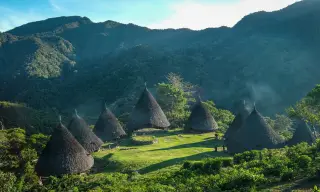
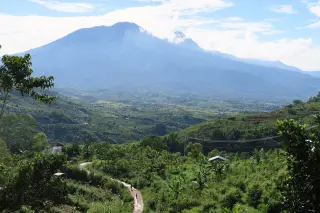
Sano Nggoang is located on Flores Island, approximately 35 kilometres east of Labuan Bajo by road, according to a local tour operator. It is situated between villages including Wae Sano and Sano Nggoang in West Manggarai, in a landscape of forest, farmland and small settlements.
The lake’s water has a high sulphur content and is too acidic for fish to survive, according to birdwatching reports from the area. Visitors commonly approach the lake via roads linking Labuan Bajo to Sano Nggoang District and then local tracks to lakeside hamlets, but conditions and travel times can vary by season.
What makes Sano Nggoang different
Scientific and tourism sources describe Sano Nggoang as a volcanic sulphur lake, formed in a crater created by ancient eruptions and still showing some geothermal activity. The water’s sulphur content produces a distinctive smell and colour, and ongoing volcanic processes at depth are noted in travel guides.
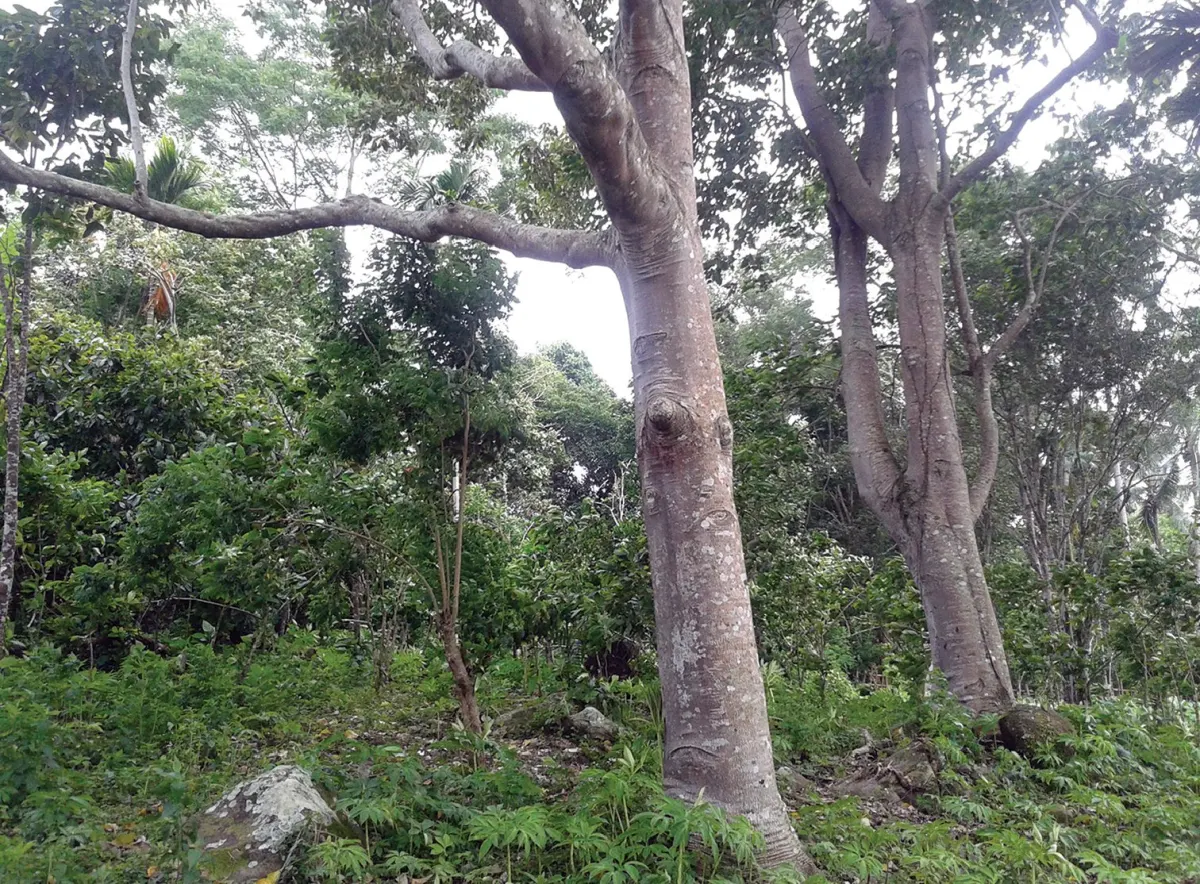
The lake and its surrounding forest are highlighted as a biodiversity-rich area. A geotourism study notes that the lake sits within a wider landscape that includes forest and community land, with potential for geo-tourism and renewable energy development. Conservation organisations and birding groups describe the Sano Nggoang area as an important habitat for endemic Flores bird species such as the Flores crow, Flores scops-owl and Flores monarch.
The broader Sano Nggoang landscape has been recognised as an Important Bird and Biodiversity Area (IBA), supporting rare and endangered birds and making it a notable destination for birdwatchers. Field surveys have recorded dozens of bird species in the lake’s vicinity, including multiple Flores endemics.
Hot springs and sulphur bathing
Several hot springs are found a short distance from the lakeshore. A travel feature on Flores describes three hot springs with different temperatures near Sano Nggoang, including Wae Lua, where water can reportedly be used to boil food, and Wae Bobok, where local residents believe the water can help rheumatism and skin conditions.
A village-based article places the Wae Bobok hot spring in Ndengo hamlet, Wae Lolos Village, Sano Nggoang District, and notes that it can be reached by a short walk from the Langgo–Werang road. Local accounts describe the spring and nearby sulphur mud as having traditional uses for bathing and skin treatments, but these are community beliefs rather than medical recommendations.
Visitors interested in bathing usually use designated pools or outlets at the hot springs, rather than the main lake, and should be aware that sulphur-rich water and high temperatures may not be suitable for everyone.
Nature, conservation and tourism
Travel and ecotourism guides present Sano Nggoang as an off-the-beaten-path destination combining volcanic scenery, sulphur lake views, forest and village life. The lake and about 5,500 hectares of surrounding forest have been proposed as a protected area to safeguard remaining forest and endemic bird populations, according to a West Flores tour operator.
Birdwatching reports and conservation surveys emphasise the area’s importance for Flores endemics and other restricted-range species, with more than 20 rare and endangered birds noted in some accounts and at least two Flores endemics confirmed in specific surveys around the lake. For visitors, this makes Sano Nggoang a potential base for guided birding as well as general nature tourism.
Multiple sources stress that the lake and surrounding settlements remain relatively little-developed for mass tourism, with access, facilities and guiding often arranged locally through community contacts or tour operators based in Labuan Bajo.
Planning a visit
For travellers considering a trip from Labuan Bajo, local operators recommend confirming road conditions, travel time and current facilities before departure, as infrastructure and services can change. Given the lake’s acidity, sulphur content and geothermal activity, visitors are advised to follow local guidance on where it is safe to walk and bathe, and to treat traditional health claims about hot springs as cultural beliefs rather than medical advice.
Because Sano Nggoang is both a community area and a conservation landscape, visitors are encouraged in ecotourism materials to travel with respect for local customs, minimise disturbance to wildlife and consider hiring local guides familiar with the terrain and birdlife.
Sources
- Detik Bali - 5 Fakta Danau Sano Nggoang di Manggarai Barat: Legenda Tua Golo-Aroma Belerang
- Tribun Travel - Mengunjungi Danau Sano Nggoang di Kecamatan Sano Nggoang, Manggarai Barat, NTT
- Roam Indonesia - Sano Nggoang Crater Lake
- Indonesia Tourism - Sano Nggoang Crater Lake
- Geo-Tourism and Renewable Energy Potential Study of the Sano Nggoang Geothermal Field
- Latitudes - Flores: The Other Crater Lake
- Travellerspoint - Labuan Bajo Wiki Travel Guide
- Undikma Journal of Science and Sustainability - Study of Bird Species Diversity in the Sano Nggoang Lake Area
- Burung Indonesia - Survei Keragaman Burung di Tiga Calon Well Pad Danau Sano Nggoang
- Jagarimba - Senjakala Danau Sanonggoang
- Katadesa - Sumber Air Panas Wae Bobok dan Kisah yang Menyelimutinya
- Flores Exotic Tours - Sano Nggoang Lake, West Flores, Indonesia
Next story
BMKG Warns of 3.5m Waves off South Sumba Through 19 September
Indonesia’s BMKG maritime station in Kupang warns of moderate to high waves across key Nusa Tenggara Timur routes from 17 to 20 September 2026, with t…
Related