

Baar Tribe’s Hunting Rules Stir Debate Over Komodo Habitat in Flores
In northern Flores, the Baar Indigenous community uses strict customary rules to limit hunting and burn savanna ahead of ritual hunts in the Torong Padang peninsula.
Editor: Mursyid Sonsang
· 5 min read
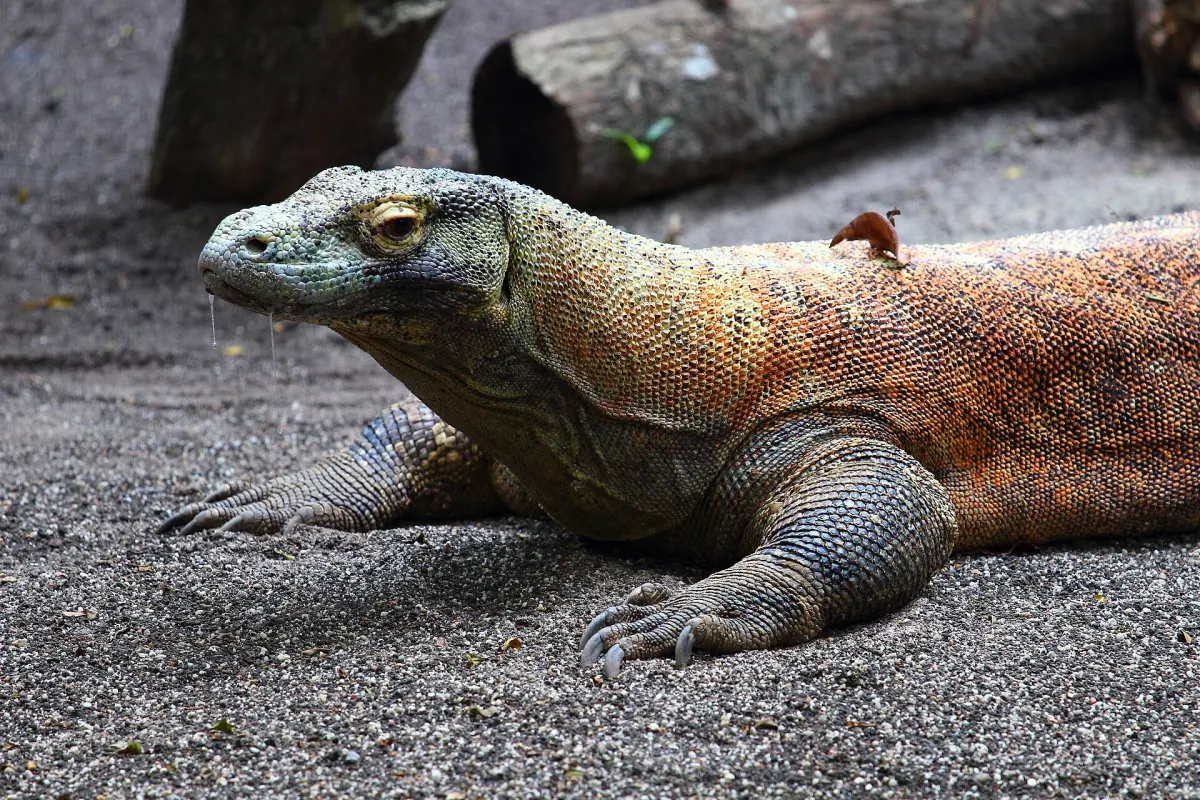
Labuan Bajo — The Baar Indigenous community in Ngada, Flores, restricts hunting in the Torong Padang peninsula to a short customary season and bans it for the rest of the time, a system supporters say helps protect Komodo dragon habitat and their prey, though there is still no published evidence that it has increased local dragon numbers.
Floresa, a Flores-based outlet, reported on 29 March 2024 that Baar hunters from Sambinasi village conduct a traditional hunt known as malang in Torong Padang, targeting deer, wild boar, porcupines and civets for household consumption rather than commercial sale. Komodo dragons, called mbau by local people, are treated as kin in Baar oral tradition and are not hunted.
Most Baar families live along the northern coast near Riung in Ngada regency. A traditional elder, Hasan Abas, told Floresa the community has lived in Sambinasi for generations and currently numbers around 200 people, presented as a customary estimate rather than an official demographic figure.
Customary rules and burning in Torong Padang
Floresa’s reporting, supported by a conservation strategy document prepared for Komodo habitats in Flores, describes a customary rule that limits hunting in Torong Padang to a two-day ceremony now held every two years. Outside this agreed hunting period, community members are prohibited from hunting deer and other wildlife in the area under Baar customary law.
According to Baar elders interviewed by Floresa, preparations for the hunt include burning sections of savanna on the Torong Padang hills one to two months beforehand. Hasan Abas said the burning is intended to prevent deer from hiding during the hunt, while elder Ibrahim Malik argued that subsequent grass regrowth during the rainy season provides food for deer and, indirectly, for Komodo dragons that prey on them.
The savanna burning conflicts with government regulations that ban burning in conservation areas, Malik acknowledged, but he told Floresa the Baar community continues the practice because it is considered an essential tradition linked to agricultural ritual and the community’s territorial identity.
During ritual ceremonies before the hunt, Baar elders address Komodo dragons directly, instructing them to stay in rocky valleys and caves while people burn the hills and hunt deer. Ibrahim Malik told Floresa that, in the community’s experience, no Komodo dragon has been killed by fire during these burns, a claim presented as local testimony rather than the result of formal fire-impact monitoring.
Key figures from customary practice
- Two days: Duration of each customary hunt in Torong Padang, now held once every two years rather than annually, under an agreement reached between community representatives and conservation actors.
- Closed season between hunts: Period during which hunting of deer and other wildlife in Torong Padang is prohibited by Baar customary law.
- About 200 people: Population estimate for the Baar community given by an elder in Floresa’s report, without supporting official census data.
Conservation debate without outcome data
The central debate is whether traditional hunting combined with controlled burning helps maintain Komodo dragon habitat in northern Flores or risks degrading it. Cypri Paju Dale, a Flores-born anthropologist and environmental activist quoted by Floresa, argued that small-scale savanna burning can speed up grass growth during the rainy season and thus support deer populations that serve as prey for Komodo dragons.
A 2017 study on vegetation in Komodo habitats in the Riung landscape and Ontoloe Island by Willem Amu Blegur and colleagues concluded that small-scale savanna burning in larger islands around Riung helps maintain savanna ecosystems that provide forage for herbivores, which in turn sustain Komodo dragons. The published article describes vegetation types and fire regimes but does not provide site-specific population trends for Komodo dragons in Torong Padang.
Floresa also cited Komodo Survival Program researcher Achmad Ariefiandy, who warned that hunting activities disturb Komodo dragon habitat. The available conservation documents and media reports describe Torong Padang as an important non-protected Komodo habitat that acts as a buffer to three contiguous reserves — Wolo Tadho, Riung and the 17 Small Islands nature reserve — but they do not yet present long-term population data for dragons inside Torong Padang itself.
Government conservation attention in northern Flores intensified with the establishment of Wolo Tadho Nature Reserve, Riung Nature Reserve and the 17 Small Islands Nature Tourism Park, now managed by the East Nusa Tenggara Natural Resources Conservation Agency (BBKSDA NTT). Official profiles from BBKSDA NTT and regional media confirm that Komodo dragons occur in Ontoloe Island and other parts of these reserves, while conservation strategy papers and Komodo distribution reports note that Torong Padang remains an important habitat outside the formally protected boundaries.
Because no published monitoring data yet link the Baar community’s hunting and burning rules to measured changes in Komodo dragon numbers, the conservation value of the 363-day hunting prohibition and the periodic savanna burns remains a matter of debate among researchers and local activists.
Sources
- Floresa English indepth: "Baar Tribe in Flores Protect Komodo Dragons: Have Their Conservation Efforts Paid Off?"
- "Vegetasi Habitat Komodo dalam Bentang Alam Riung dan Pulau Ontoloe di Nusa Tenggara Timur" by Willem Amu Blegur et al., Indigenous Biologi Journal
- Garuda index for Indigenous Biologi journal issue containing Blegur et al. article
- BBKSDA NTT profile of 17 Islands Marine Tourism Park (TWAL Tujuh Belas Pulau)
- Tribun Flores feature on TWAL 17 Pulau Riung
- In-Flores conservation strategy and action plan for Komodo habitat
- "Protecting the Mbau Komodo in Riung, Flores: Local Adat, Conservation and Conflict" (conference paper/PDF)
- Komodo dragon habitat and distribution report (EAZA/Komodo conservation presentation)
- Komodo Dragon conservation resource: Distribution and habitats
Next story
Astindo’s 10,000 Labuan Bajo trip cancellations over Komodo fee remain unverified
Astindo’s Labuan Bajo branch and local media have long cited an estimate of more than 10,000 trip cancellations linked to a proposed Rp 3.75 million K…