
UNESCO’s 2021 report flagged tourism and zoning risks in Komodo
UNESCO’s 2021 State of Conservation report for Komodo National Park raised concerns over tourism growth, new infrastructure, zoning changes and community impacts, while flagging earlier fire and illegal-activity issues as closed in its…
· Event date: · 4 min read Updated
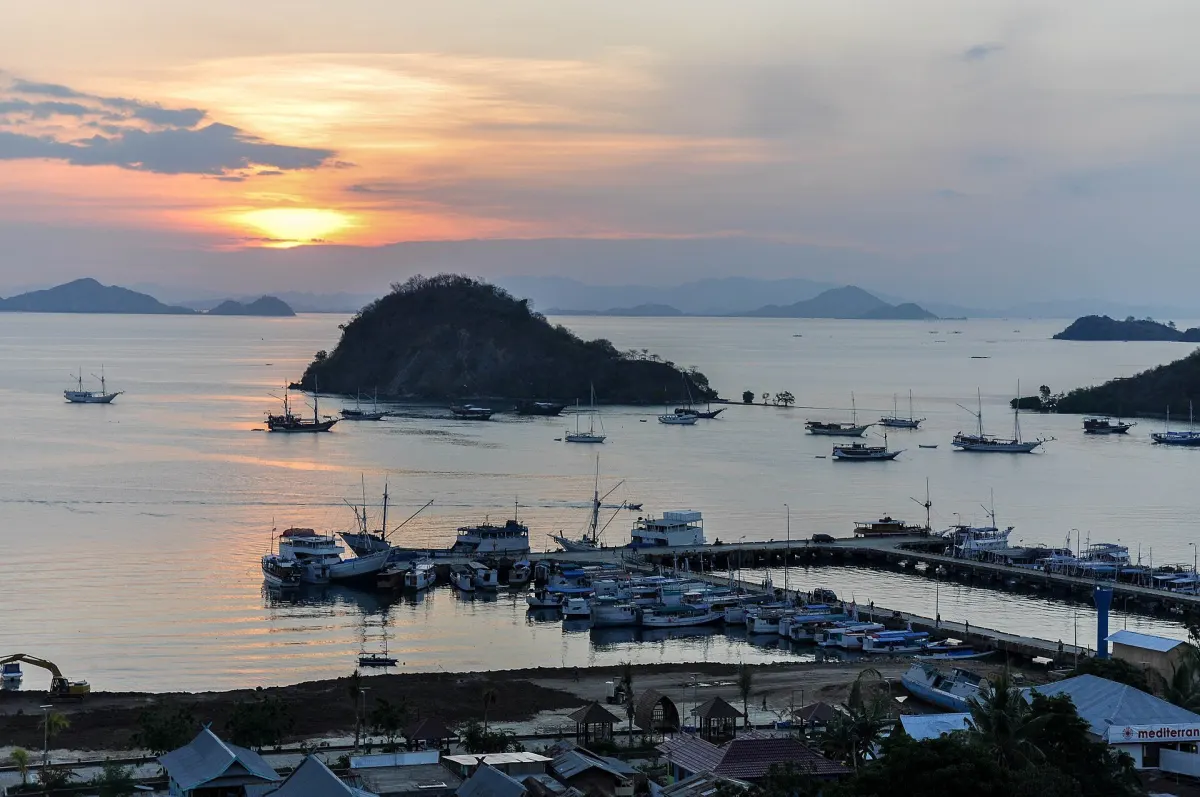
Labuan Bajo — UNESCO’s 2021 State of Conservation report for Komodo National Park highlighted mounting tourism pressure, questions over new infrastructure and zoning changes, and potential impacts on local communities, while noting that some earlier fire and illegal-activity issues had been closed in the monitoring system.
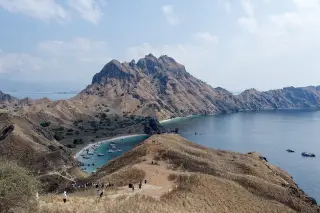
The assessment was compiled after the World Heritage Centre requested detailed information from Indonesia on tourism reforms and planned development on Rinca and Padar islands, and on other reported threats to the site’s Outstanding Universal Value (OUV).
UNESCO’s 2021 findings on Komodo
According to the State of Conservation record, the World Heritage Centre wrote to Indonesia in March 2020 after receiving third-party information about infrastructure projects on Rinca Island and tourism facilities proposed for Padar that had not been formally notified to the World Heritage Committee under the Operational Guidelines.
The report linked these projects to broader proposals to expand tourism and reform management that could affect local livelihoods and trigger community resistance, and drew attention to concerns in the marine area, including reports of illegal fishing and weak enforcement of no-take and no-anchoring rules.
Indonesia informed UNESCO in April and May 2020 that it was preparing an Integrated Tourism Master Plan for Labuan Bajo, Rinca and Padar, with the stated aim of shifting from mass tourism to higher-value “quality tourism,” and implementing the park’s medium-term goal of becoming a world-class ecotourism destination.
In its 2021 entry, UNESCO listed key factors affecting the property: tourism and visitor impacts; management systems and planning; changes in identity and social cohesion in local communities; and earlier issues of fire and illegal activities, which were categorized as closed in the monitoring of past threats.
The World Heritage Centre also recorded that tourism facilities in the park’s utilization zone were being upgraded to improve service quality and resilience to natural disasters and climate change, and that an environmental impact assessment (EIA) process was under way for major tourism infrastructure.
Rinca tourism EIA and zoning questions
The 2021 State of Conservation report noted that Indonesia submitted an EIA for tourism infrastructure on Rinca Island in October 2020, following UNESCO’s request for information.
However, after the International Union for Conservation of Nature (IUCN) reviewed the assessment, UNESCO reported that the EIA required revision to meet World Heritage standards. The World Heritage Committee’s 2021 decision on Komodo National Park formally requested Indonesia to revise the EIA in line with the IUCN World Heritage Advice Note on Environmental Assessment, resubmit it for review “as a matter of urgency,” and halt tourism projects with potential to affect OUV until that review was completed.
The Committee also asked Indonesia to provide information on a revised zoning plan and on additional tourism concessions inside the property. During the same period, UNESCO raised concerns over reports that the park’s wilderness zone had been reduced to roughly one-third of its previous area and that new tourism concessions were being granted within and around the site.
UNESCO’s analysis of the emerging Integrated Tourism Master Plan noted that better coordination between national, provincial and local authorities could strengthen management, but stressed that it was unclear how fully World Heritage obligations were integrated and how much of the property the plan would cover.
According to the 2021 report, the projected increase in annual visitors — described in UNESCO documents as a target several times higher than pre-pandemic levels — would be difficult to reconcile with the declared move away from mass tourism unless its effects on OUV and on local communities were clearly assessed and managed.
The State of Conservation entry also cited Komodo dragon population estimates for the park from 2015–2019, drawn from a study by Indonesia’s environment and forestry authorities, which indicated a relatively stable population in that period.
Context and subsequent monitoring
UNESCO’s 2021 record is part of a longer-running concern over Komodo’s management. The IUCN World Heritage Outlook has rated the site’s conservation outlook as a “significant concern” since 2014, pointing to threats from tourism growth, illegal fishing and infrastructure development.
Following the 2021 decision, the World Heritage Committee requested Indonesia to invite a joint UNESCO–IUCN Reactive Monitoring mission and to submit an updated conservation report by 1 February 2022. A later State of Conservation report and mission findings, published after the 2021 cycle, indicate that monitoring of tourism, zoning and marine management issues has continued.
Sources
- UNESCO World Heritage Centre – State of Conservation (SOC 2021) Komodo National Park (Indonesia)
- The Diplomat – “Development and Conservation Clash at Indonesia’s Komodo National Park”
- Diponegoro University – “Konservasi Komodo dan Izin Pembangunan Pariwisata Super Premium Pulau Rinca Taman Nasional Komodo” (PDF)
- IUCN World Heritage Outlook – Komodo National Park
Read next
More on this story
Wildlife
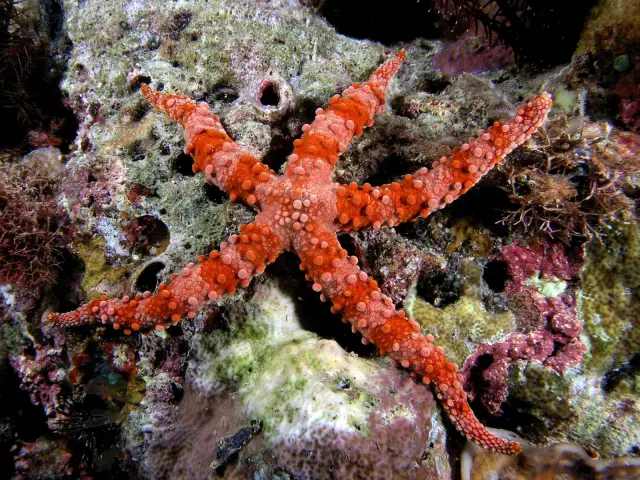
Reports highlight Komodo National Park’s wildlife and marine habitats
Reports describe Komodo National Park as a habitat for Komodo dragons and yellow-crested cockatoos, with coral reefs, fish and larger marine animals i…
Most read in Komodo National Park
Today’s top story
Related