

Study maps domestic and European visitor segments in Labuan Bajo tourism
A 2024 inclusive tourism index report from Manggarai Barat’s planning agency identifies young domestic travellers and European hotel guests as key visitor groups in Labuan Bajo, while warning that social inclusion and accessibility still…
Editor: Mursyid Sonsang
· Event date: · 4 min read
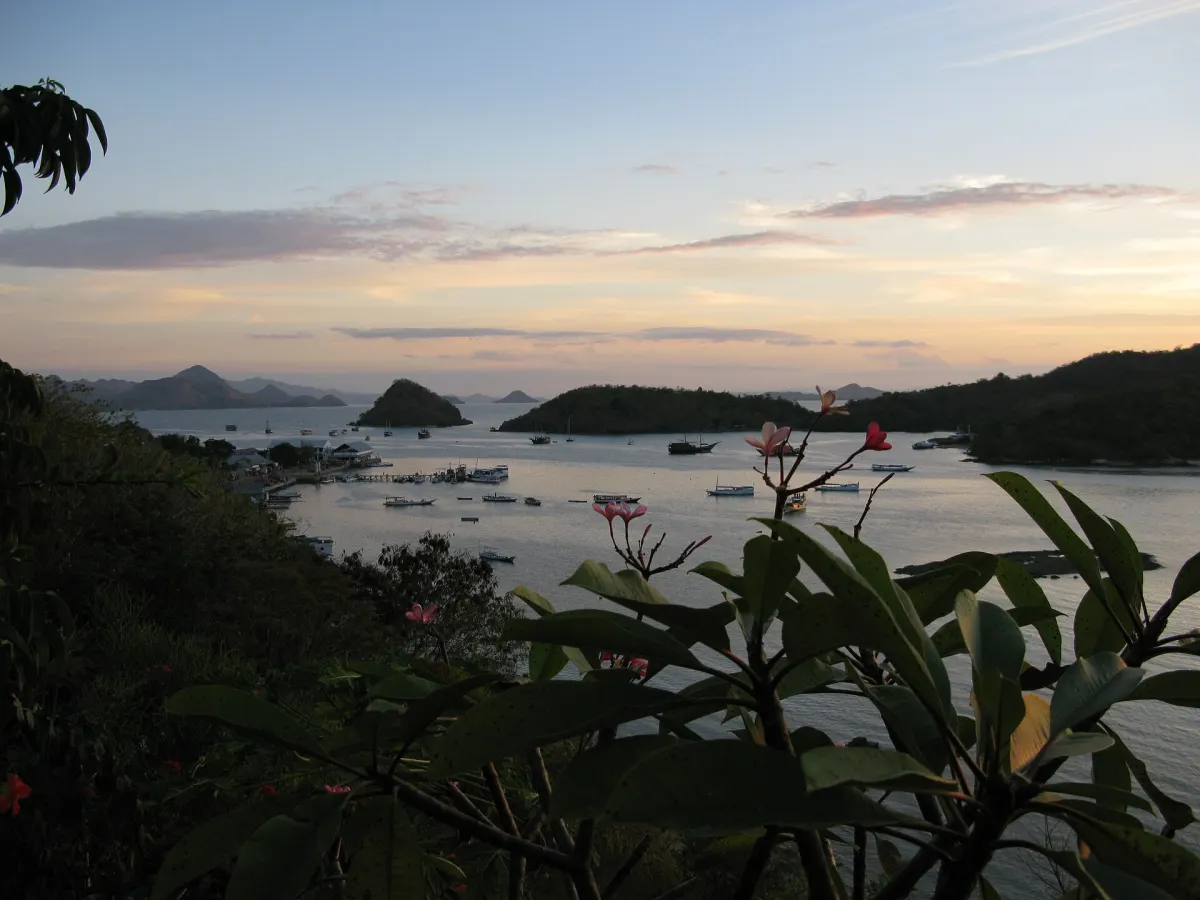
Labuan Bajo — A 2024 inclusive tourism study commissioned by the Manggarai Barat regional government concludes that many visitors to Labuan Bajo and surrounding destinations are young domestic travellers, while European tourists feature strongly in the accommodation and travel‑agent market. The report also records a relatively low inclusivity score for tourism regulation, indicating that sustainability‑related rules are not yet widely perceived as inclusive.
The final report on the Indeks Pariwisata Inklusif 2024 for Manggarai Barat, published by the local development planning agency Bappeda and dated 19 October 2024, reviews tourism across land and marine attractions, lodging, travel services and governance. Its executive summary describes a mixed‑method approach using surveys, interviews and field observation, positioning the index as an input for local policy on inclusive tourism.
Visitor profiles in the Bappeda study
In its discussion of visitor characteristics, the report identifies a substantial share of travellers in the 18–24 age group, describing them largely as students and young workers. According to the document, this profile is associated with demand for budget‑conscious tourism products and experiences.
The report’s destination analysis links this younger, lower‑spending segment to sites such as Puncak Waringin, which it characterises as popular with visitors on limited budgets. By contrast, Goa Batu Cermin is portrayed as attracting tourists who are prepared to spend more for a different type of experience, although the report does not present detailed spending data by site.
While the study repeatedly states that domestic travellers make up much of the visitor base to Manggarai Barat, it does not publish precise percentages or counts for age, nationality or income groups in the sections available. Separate official tourism statistics compiled by the Labuan Bajo–Flores Authority and the Ministry of Tourism indicate that, over the broader 2017–2024 period, international visitors have consistently outnumbered domestic tourists in Labuan Bajo.
Those data show total visits peaking at around 423,800 in 2023 before easing to about 411,300 in 2024, with foreign visitors remaining the largest contributor to overall arrivals.
The Bappeda report draws a distinction between general visitor trends and the market for accommodation and travel services. In its assessment of hotels and travel agencies, it notes that European tourists dominate this segment and highlights that many visitors using these services have relatively high levels of education. The document does not clarify whether this analysis is based on a subset of the overall survey sample or on separate interviews with operators.
Taken together, the study suggests at least two overlapping visitor profiles: a broad stream of domestic, younger travellers shaping demand for budget‑friendly products, and a hotel and travel‑agent segment where European and other international tourists are prominent. Without detailed methodological tables or sampling information, the relative weight of each group in total arrivals cannot be fully assessed from the report alone.
Inclusive tourism beyond visitor numbers
Beyond visitor profiles, the 2024 index examines how tourism benefits are distributed and how accessible the sector is for different groups. It finds that tourism has supported local economic activity, including the growth of micro, small and medium enterprises, and that Manggarai Barat’s inclusive tourism index value has risen compared with earlier measurements.
However, the report identifies weaker performance in social and environmental inclusion. It points to limited participation by women, people with disabilities and other marginalised groups in tourism decision‑making and in sharing economic gains. These concerns are echoed in regional planning documents that frame inclusive tourism as a way to ensure that growth benefits poorer households, women and persons with disabilities.
Accessibility is highlighted as a continuing challenge. According to the study, many attractions, hotels and travel agencies in Manggarai Barat still lack facilities needed by visitors with disabilities, despite improvements in some infrastructure and services. The report recommends diversifying tourism products, expanding training for local businesses, upgrading accessible public facilities, and strengthening the inclusion of women and people with disabilities in tourism policy and implementation.
For tourism planners and operators in Labuan Bajo, the report’s findings underline both opportunity and risk. The prominence of young domestic travellers suggests demand for lower‑cost, flexible offerings, while the strong international presence in hotels and travel services points to continued interest from higher‑spending markets, particularly Europe. At the same time, the inclusivity scores and accessibility gaps indicate that further work is needed to ensure that the benefits of Labuan Bajo’s growth are shared more broadly across local communities.
Sources
Next story

BNPB Forum in Labuan Bajo Highlights Tsunami Risk for Tourism Hub
BNPB used a September 2024 socialisation and discussion forum in Labuan Bajo to stress tsunami risk in Manggarai Barat’s coastal tourism areas, linkin…
Related