
BNPB Forum in Labuan Bajo Highlights Tsunami Risk for Tourism Hub
BNPB used a September 2024 socialisation and discussion forum in Labuan Bajo to stress tsunami risk in Manggarai Barat’s coastal tourism areas, linking hazard mapping to the regional resilience index.
Editor: Mursyid Sonsang
· Event date: · 4 min read
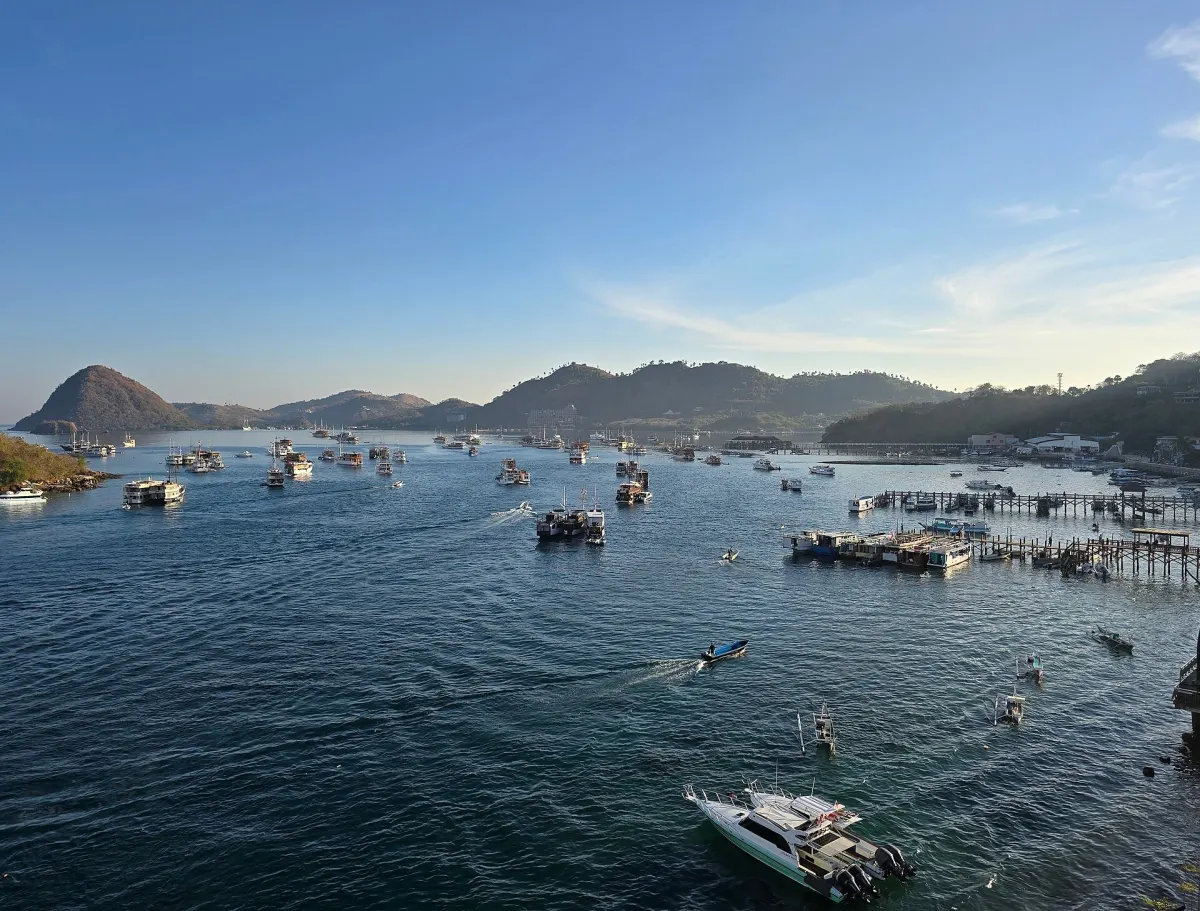
Labuan Bajo — Indonesia’s National Disaster Management Agency (BNPB) has used a socialisation and focus group discussion in Labuan Bajo to highlight tsunami risk in West Manggarai (Manggarai Barat), placing disaster resilience in the context of the regency’s growing tourism economy according to local media reports and BNPB-linked partners.
The forum took place on Wednesday, 25 September 2024, in Labuan Bajo, and was framed around the need for early mapping of tsunami hazards in coastal areas of Manggarai Barat, including the tourism hub of Labuan Bajo.
The activity was linked to the Indonesia Disaster Resilience Initiatives Project (IDRIP) and focused on assessing the regional resilience index and identifying possible losses from a tsunami event in the regency’s coastal zone.
BNPB’s tsunami focus in a tourism centre
According to coverage citing a written statement from BNPB, Director for Disaster-Risk Mapping and Evaluation Ahmad Rizki said tourism is a major economic strength for Manggarai Barat, and that the agency is therefore focusing on tsunami risk in Labuan Bajo as a super-priority destination.
Rizki was quoted as saying that potential disasters exist in all regions, but that BNPB’s work in Labuan Bajo is concentrating on tsunami scenarios because such a hazard is considered present in the area’s coastal setting.
The forum’s theme was reported as early mapping and detection of potential losses from a tsunami, with the exercise intended to support IDRIP activities in Manggarai Barat and to help sustain tourism development by reducing disaster impacts on communities and businesses.
BNPB’s emphasis on tsunami preparedness in Manggarai Barat aligns with wider assessments that identify tsunami among nine key hazards in the regency, alongside floods, landslides, earthquakes and extreme weather, according to regional disaster officials.
What the Labuan Bajo forum examined
Media reports describe the Labuan Bajo forum as a socialisation and focus group discussion on the regional resilience index, known as Indeks Ketahanan Daerah (IKD), using tsunami risk mapping as an entry point for evaluating the regency’s disaster capacity.
The available accounts do not publish a numerical IKD score for Manggarai Barat, nor do they provide a full list of indicators applied in the assessment.
They also do not state whether the forum produced a formal resilience classification, a detailed public hazard map or a schedule for follow-up action by local authorities.
In parallel, technical reporting on disaster-risk studies for Labuan Bajo’s national tourism area notes that detailed hazard work for the town and nearby Gorontalo village covers threats from earthquakes and tsunamis, and that resilience analysis tools for tourism are still being refined.
Implications for tourism and local planning
By placing tsunami risk at the centre of a resilience discussion in a tourism destination, BNPB’s Labuan Bajo forum underlined how a coastal disaster could affect residents, visitors and the tourism infrastructure that underpins Manggarai Barat’s economy.
Regional disaster officials have previously highlighted that the regency’s hazard profile includes tsunami alongside more frequent floods and landslides, reinforcing the need for preparedness in tourism-facing areas.
Local and national agencies have also discussed broader disaster- and crisis-management planning for tourism in Manggarai Barat, including risk reduction and emergency response arrangements, although those efforts are documented in separate planning reports rather than directly tied to the September 2024 forum.
Available public accounts of the Labuan Bajo forum do not confirm specific changes to local budgets, tourism approvals, construction rules or evacuation requirements arising from the September 2024 discussion.
They instead present the event as a diagnostic step within IDRIP-related resilience work, focused on understanding tsunami exposure and potential economic losses in a regency whose tourism profile continues to grow.
Sources
Next story
Study Tests Google Search Data to Nowcast Komodo Airport Arrivals
A 2024 paper in the BPS‑affiliated JSTAR journal tests whether Google Trends data and machine‑learning nowcasting can provide early estimates of passe…
Related