
Study finds tourism around Komodo dragons drives tension over conservation and growth
A 2026 peer-reviewed study on Labuan Bajo and Komodo National Park finds that tourism growth around Komodo dragons has increased conservation funding and regional development prospects while also generating ecological risks and community…
By Mukmin John
Editor: Mursyid Sonsang
· Event date: · 5 min read
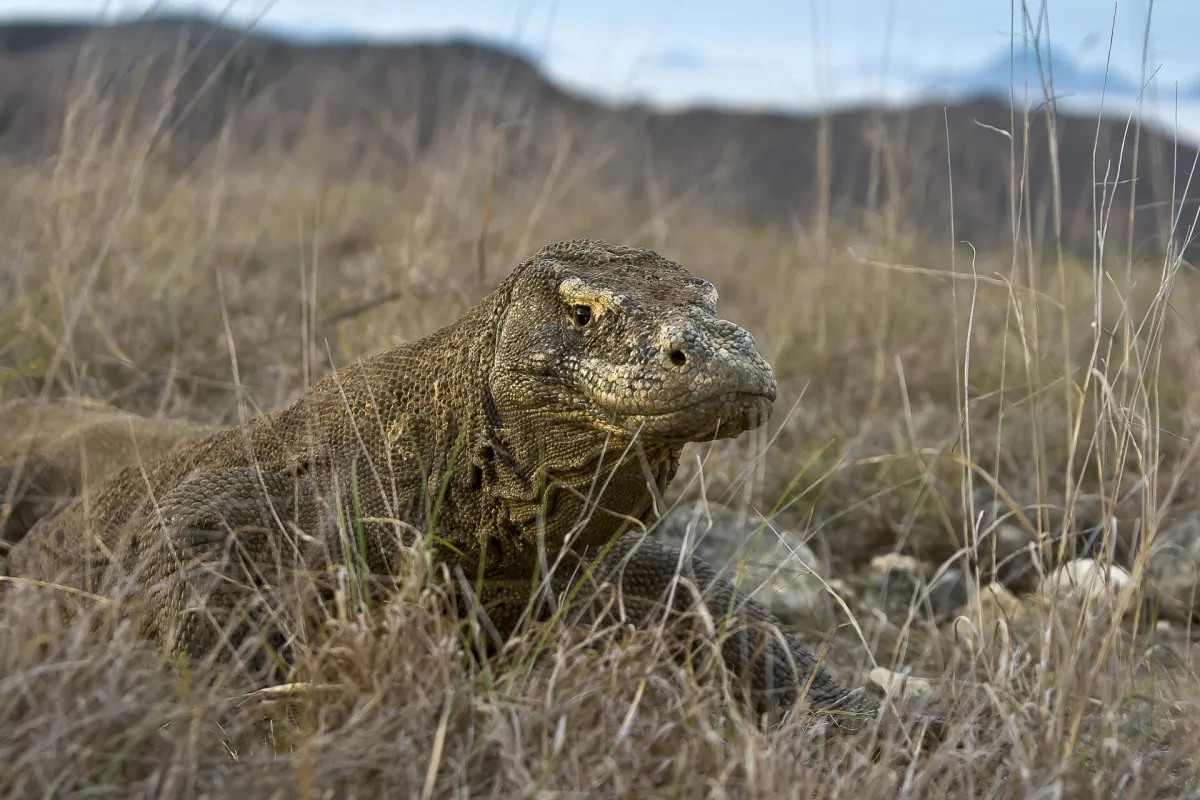
Labuan Bajo — A 2026 study on human–wildlife relations in Labuan Bajo and Komodo National Park finds that tourism development has created ongoing tensions between ecological protection, economic interests and local community livelihoods, centred on how Komodo dragons are turned into a marketable attraction.
Published in the journal eTropic under the title Living with Komodo Dragons: Wildlife and Tourism in Labuan Bajo, Indonesia, the research describes Komodo National Park as both a UNESCO World Heritage Site and a flagship tourism destination for the Labuan Bajo area. It argues that tourism can generate funding for conservation and regional development, while at the same time commodifying wildlife and landscapes in ways that risk degrading dry tropical ecosystems and disrupting local human–animal relations.
The study’s findings speak to questions facing investors, visitors and residents: how tourism income relates to local livelihoods, how access to essential resources is maintained, and how communities participate in decisions and enforcement. It emphasises that the Komodo dragon’s role as the park’s key attraction links local villages, surrounding islands and Labuan Bajo town into a high-value tourism landscape where infrastructure projects and “premium” visitation schemes reshape everyday life.
What the 2026 research says
The eTropic article examines the intersection of conservation policy, tourism growth, commodification and local communities in and around Komodo National Park. The authors report that local beliefs viewing Komodo dragons as animal relatives function as a cultural conservation mechanism that complements state regulation, helping to sustain coexistence between people and dragons on Komodo Island and in nearby settlements.
At the same time, the study finds that tourism development has turned Komodo dragons into a central asset in the visitor economy and helped transform Labuan Bajo into a tourism hub. According to the researchers, this process has brought economic opportunities but also economic, cultural and ecological risks, which have been met with community resistance to certain forms of commodification and infrastructure expansion.
The article does not present tourism as wholly beneficial or wholly harmful. Instead, it asks how a protected area can remain ecologically viable when the species that draws visitors is also marketed as a close-up wildlife experience, including guided encounters in places such as Rinca Village where residents live side by side with Komodo dragons.
The study places Komodo National Park within Indonesia’s broader tourism policy framework, noting that Labuan Bajo–Komodo has been identified as a priority tourism destination and later as a Super Priority Tourism Destination, supported by infrastructure and governance changes.
Tourism policy and governance
Recent analyses of marine tourism policy and destination development show that the Labuan Bajo–Komodo region has been designated as a Super Priority Tourism Destination at national level, with the aim of using marine tourism as a driver of economic growth. Government regulations on tourism and marine spatial planning, including Presidential Regulation No. 32 of 2018, underpin the creation of a dedicated Labuan Bajo Flores Tourism Area Management Authority to coordinate development.
These policy documents distinguish between management inside Komodo National Park and responsibilities in surrounding areas such as water supply, waste management and other infrastructure for Labuan Bajo town and nearby villages. They frame tourism growth as an opportunity for investment and local enterprise, while also acknowledging environmental pressures from rapid visitor increases.
Komodo National Park and conservation planning
Komodo National Park was formally gazetted in 1980 to protect the Komodo dragon and its habitat, and has since been recognised as a UNESCO World Heritage Site and Biosphere Reserve. Over time, its conservation mission has expanded to cover a wider terrestrial and marine environment, including coral reefs and coastal ecosystems.
An Environmental Assessment Study prepared in 2002 by Jim Singleton, Rini Sulaiman and staff of The Nature Conservancy’s Southeast Asia Center for Marine Protected Areas outlined a collaborative management initiative for the park. The assessment proposed a framework bringing together the park authority, local government, a joint venture involving The Nature Conservancy and a local tourism company, and other stakeholders to address conservation management, tourism management and sustainable financing, alternative livelihoods, monitoring and evaluation, and community consultation.
The 2002 assessment highlighted user fees and other tourism income as potential sources of long-term park financing and argued that limited eco-tourism and research were the most sustainable uses of the park’s terrestrial areas. Subsequent reports and academic work have cited this collaborative-management initiative as a reference point for later planning, but publicly accessible documents do not provide a comprehensive, up-to-date account of which specific measures remain in force today.
Komodo dragons and geography
Scientific and conservation literature identifies the Komodo dragon (Varanus komodoensis) as endemic to Indonesia, with main populations on Komodo, Rinca, Nusa Kode and Gili Motang islands, and smaller, fragmented populations on parts of Flores. Within the park, key viewing sites for tourists include areas on Komodo and Rinca Islands, such as established trails and ranger-guided circuits around Komodo dragon habitats.
Across these islands and in Labuan Bajo, the 2026 eTropic study argues that governance, revenue distribution and community participation are central to determining whether conservation efforts and tourism development protect both wildlife and the people living in and around this evolving tourism landscape.
Sources
- eTropic – Wildlife and Tourism in Labuan Bajo, Indonesia
- Environmental Assessment Study – Komodo National Park (TNC)
- Labuan Bajo – general destination overview
- OAPEN scholarly book chapter referencing Komodo environmental assessments
- Developing Marine Tourism Policy Pathways
- UCLA eScholarship paper on Komodo collaborative management
- UNAIR repository bibliography entry
- Strategies for the development of super-priority tourism to Labuan Bajo
- Webology article on Labuan Bajo tourism destination status
- The Nature Conservancy Southeast Asia Center for Marine Protected Areas — “Environmental Assessment Study: Komodo National Park”
Next story

Komodo tourism study highlights culture, habitat and governance in Labuan Bajo
A 2026 journal article and recent conservation plans show how Komodo dragon tourism links local beliefs, national policy, habitat protection and devel…
Related