
Pelagic Fishing, Mariculture and Ecotourism in Komodo’s 2000 Plan
A January 2000 pelagic fisheries report for Komodo National Park set out pelagic fisheries, mariculture and ecotourism as core livelihood sectors in a long-term plan to replace destructive reef fishing with sustainable income for local…
Editor: Mursyid Sonsang
· Event date: · 5 min read
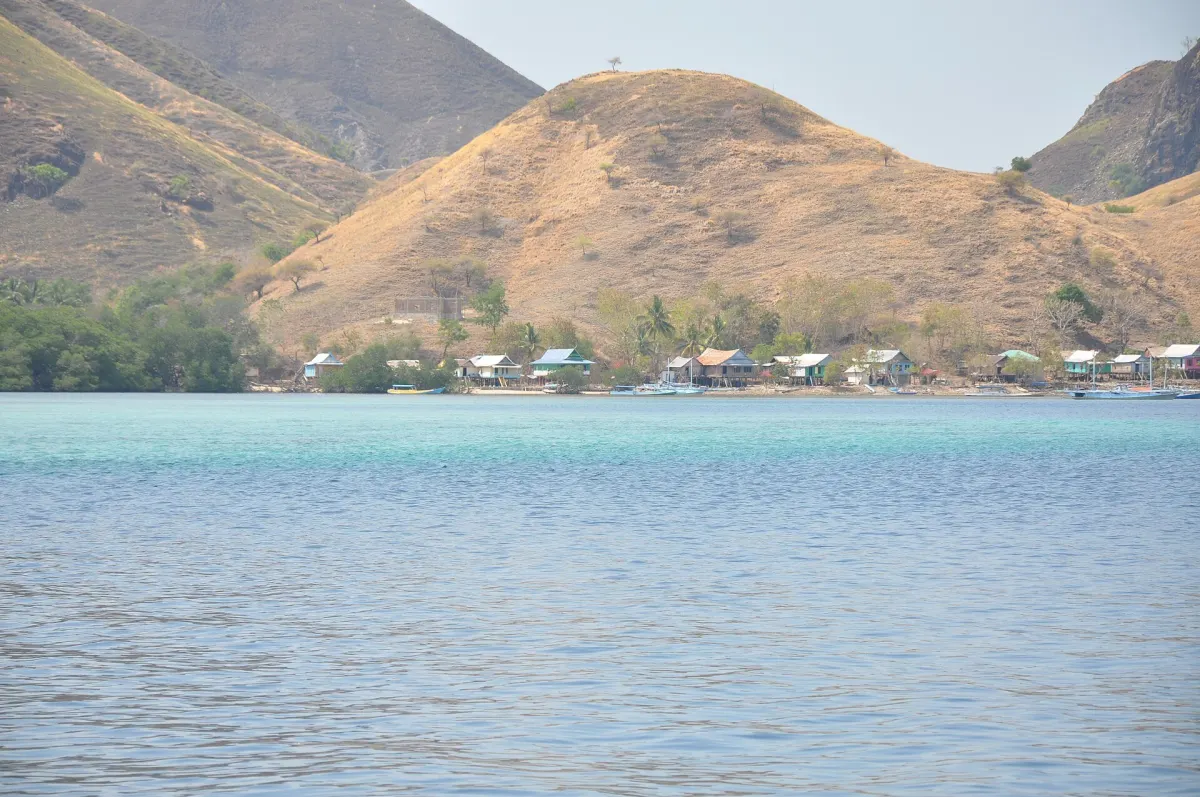
Labuan Bajo — — A January 2000 project report on Komodo National Park identified three main livelihood sectors for coastal communities around the park: large coastal pelagic fisheries, mariculture and ecotourism, framed as alternatives to destructive reef fishing and as components of a long-term management plan.
The report, titled Developing a Fishery for Large Coastal Pelagic Fish as an Alternative Livelihood for Local Fishing Communities in and Around Komodo National Park, was prepared by The Nature Conservancy’s Indonesia Coastal and Marine Program together with the Komodo Field Office of Yayasan Pusaka Alam Nusantara.
It sits within a wider marine management effort launched in the mid‑1990s to reduce destructive practices such as blast fishing, cyanide fishing and compressor‑assisted reef harvesting in and around the park, and to build viable alternative sources of income for local fishers.
Three target sectors in the alternative livelihood program
The January 2000 pelagic fisheries report describes the development of a fishery for large coastal pelagic species as one of several “alternative livelihood” modules in Komodo’s emerging marine management plan. Subsequent technical documents on the Komodo program note that by the early 2000s the park authority and The Nature Conservancy, working with Indonesia’s forestry and nature conservation agency (then PHKA), had identified three target sectors for community livelihoods: pelagic fisheries, mariculture and ecotourism.
According to a case study on Komodo’s alternative livelihood program, pelagic fisheries, mariculture and eco‑tourism were developed as integrated components of the park’s management approach, alongside enforcement, participatory planning, community development and monitoring. Technical papers on coastal livelihoods and aquaculture in Komodo explain that mariculture included both seaweed culture and fish culture, with hatcheries and grow‑out operations designed to offer an alternative to cyanide‑based live reef fish capture.
Ecotourism development was described in planning documents as an important opportunity for compatible enterprises such as guiding, transport, homestays and handicrafts.
Pelagic fisheries as the most advanced option
The pelagic fisheries report focuses on developing a fishery targeting large coastal pelagic species, with Spanish mackerel (Scomberomorus commerson) singled out as a key species because it is migratory, can be caught with relatively simple gear and has an established market. The report notes that existing boats used by local villagers were broadly suitable, but that fishers would need training, new skills and gear, including fish aggregating devices (FADs), to fully develop the fishery.
The report describes a feasibility pilot conducted in September–October 1996, led by an expert consultant, which found good prospects for developing a fishery for large coastal pelagic species and especially Spanish mackerel. The pilot indicated that traders in Indonesia were willing to buy Spanish mackerel and that high‑quality fish could generate reasonable income from relatively modest catches.
Later progress reports on the Komodo Marine Conservation Project state that the Spanish mackerel fishery developed quickly and became self‑sufficient soon after the project began; by around 2000, no further project effort was needed to support what had become a lucrative fishery.
Project documents indicate that the pelagic fisheries sub‑program worked with fishers from communities such as Mesa Island, Seraya Island and Labuan Bajo, enhancing techniques with FADs, improving post‑harvest handling and strengthening links to markets, while continuing enforcement against destructive reef fisheries. Monitoring studies report that many park inhabitants subsequently derived much of their income from pelagic lift‑net fisheries targeting squid and small pelagic fish, which were considered less damaging to coral reefs than compressor‑based or explosive methods.
Economic and conservation rationale
The pelagic fisheries project’s rationale combined conservation objectives with poverty alleviation. The January 2000 report set income benchmarks designed to outperform other non‑destructive small‑scale fisheries and to exceed a poverty threshold of about US$1 per person per day, aiming to make pelagic fishing economically attractive for fishers previously involved in destructive practices.
Environmental assessments and case studies on Komodo’s marine management emphasize that the alternative livelihood program was intended to reduce pressure on reefs and demersal resources by shifting effort toward pelagic fishing, sustainable mariculture and tourism, backed by enforcement against dynamite, cyanide and compressor fishing.
Planning and assessment documents also underline that alternative livelihoods depended on more than simply switching gear. They required access to credit and equipment, training, market development, and governance measures such as exclusive or preferential fishing rights for local communities, combined with continued monitoring of resource use and community engagement. These records present the January 2000 pelagic fisheries report as a historical baseline in a broader 25‑year management vision, in which pelagic fisheries, mariculture and ecotourism were treated as core livelihood sectors rather than guaranteed program outcomes.
Sources
- PELAGIC FISHERIES PROJECT REPORT KOMODO National Park and surrounding waters, January 2000
- Progress report on The Nature Conservancy’s Komodo Marine Conservation Project (closeout report)
- Improving coastal livelihoods through sustainable aquaculture – Komodo case study (Annex/technical paper)
- KOMODO NATIONAL PARK – World Heritage Datasheet (UNEP‑WCMC)
- Destructive Fishing Practices in Indonesia (journal article)
Next story
Komodo National Park reefs host more than 1,000 fish species, sources say
Komodo National Park sits inside the Coral Triangle, where UNESCO and WWF say its waters hold more than 1,000 fish species and more than 260 coral spe…
Related