

Local Volunteers Help Steer Human Initiative’s Flores Earthquake Aid
Human Initiative is working with local volunteers to map evacuation sites, vulnerable residents and changing needs after the August 2026 Flores earthquake, using community-level information to guide aid deliveries across scattered…
Editor: Mursyid Sonsang
· Event date: · 4 min read
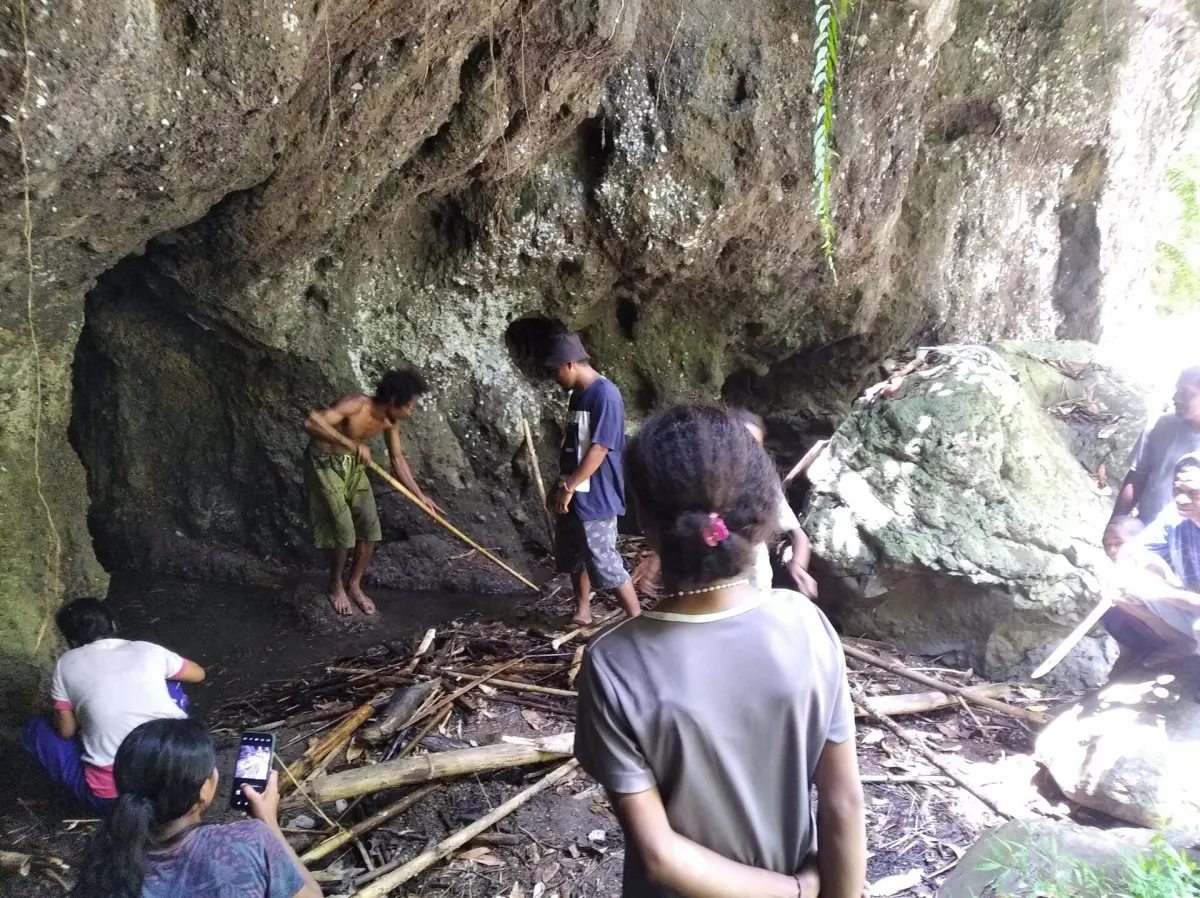
Ende — Local volunteers are helping humanitarian group Human Initiative map evacuation sites and community needs after the August earthquake in Flores, with their information used to guide the targeting of assistance across affected districts.
Human Initiative’s Emergency Response Commander Subur Rojinawi said volunteers and local partners report where displaced residents are sheltering and what support they require, allowing aid to be directed according to conditions on the ground, according to a broadcast interview reported by RRI Ende on 19 September 2026.
Rojinawi explained that volunteers work with neighborhood representatives and village governments to identify evacuation locations, households in need and residents who may require special attention, including young children, according to RRI.
The organization then uses this locally collected data to determine what type of assistance is sent to each site, rather than distributing identical packages everywhere, RRI reported.
Local knowledge guides delivery decisions
Human Initiative is deploying its local-volunteer model in areas of Flores where residents remain displaced by the 15 August 2026 magnitude 7.7 earthquake and its aftershocks.
National and local disaster agencies have focused post-quake relief on seven districts identified as the main affected areas, with logistics flows organized through hubs in Labuan Bajo and Maumere to reach communities across western and central Flores, according to briefings by the National Disaster Management Agency (BNPB) reported by Indonesian media.
Within this wider response, Human Initiative’s teams rely on volunteers who understand the terrain, road network and community dynamics, Rojinawi told RRI Ende.
He said information is gathered from community representatives, neighborhood associations and village administrations, forming a coordination chain between residents, local authorities and the humanitarian organization.
According to RRI, the aim is to prioritize distribution based on reported needs, using local data to reduce mismatches between the assistance sent and what each evacuation site requires.
RRI reported that Human Initiative continues to coordinate its activities with regional government structures and uses data from local leaders to help verify recipient information before aid is handed over.
Motorcycles help reach scattered sites
Rojinawi said one of the main logistical challenges is the spread of evacuation sites over wide areas and the distances between affected communities, with weather adding to transport difficulties.
To reach scattered locations, Human Initiative is making use of local volunteers travelling by motorcycle to deliver aid or collect information, according to RRI Ende.
Rojinawi described the motorcycle-based approach as effective because volunteers are familiar with local roads and village access routes, helping teams reach sites that are harder to serve with larger vehicles.
Human Initiative is also involved in building temporary shelters for residents who remain reluctant to sleep inside their damaged homes, according to a separate RRI report published on 19 September 2026.
The temporary housing is intended for people who still prefer to stay outdoors due to ongoing aftershocks and concerns about structural safety, RRI reported.
Context
The Flores earthquake on 15 August 2026 triggered extensive damage across several districts and forced large numbers of residents into evacuation sites.
BNPB and local disaster agencies reported tens of thousands of people still living in shelters in early September, with national logistics operations moving relief supplies into Flores via ports in Labuan Bajo and Maumere to support affected districts including Manggarai Barat, Manggarai, Manggarai Timur, Ngada, Sikka, Ende and Nagekeo.
In Ende district alone, more than 11,000 houses and dozens of health facilities were recorded as damaged as of 7 September 2026, according to local disaster management data cited by RRI Ende.
Human Initiative’s use of local volunteers, motorcycle transport and coordination with village governments forms part of this broader humanitarian and recovery effort as emergency response shifts gradually toward rebuilding and longer-term support.
Sources
Next story
Wae Rebo to Close 2–3 October for Customary Family Ceremony
Tourist visits to Wae Rebo in Manggarai, East Nusa Tenggara, will be suspended on 2–3 October 2026 for a customary family ceremony, according to local…