

Kempo Village Emerges as Religious and Nature Tourism Hub Near Labuan Bajo
Kempo village in Mbeliling district, West Manggarai, has been designated a tourism village and is home to the historic Rekas church and nearby Golo Cucu hill, offering religious and nature-based attractions within day-trip range of Labuan…
Editor: Mursyid Sonsang
· Event date: · 4 min read
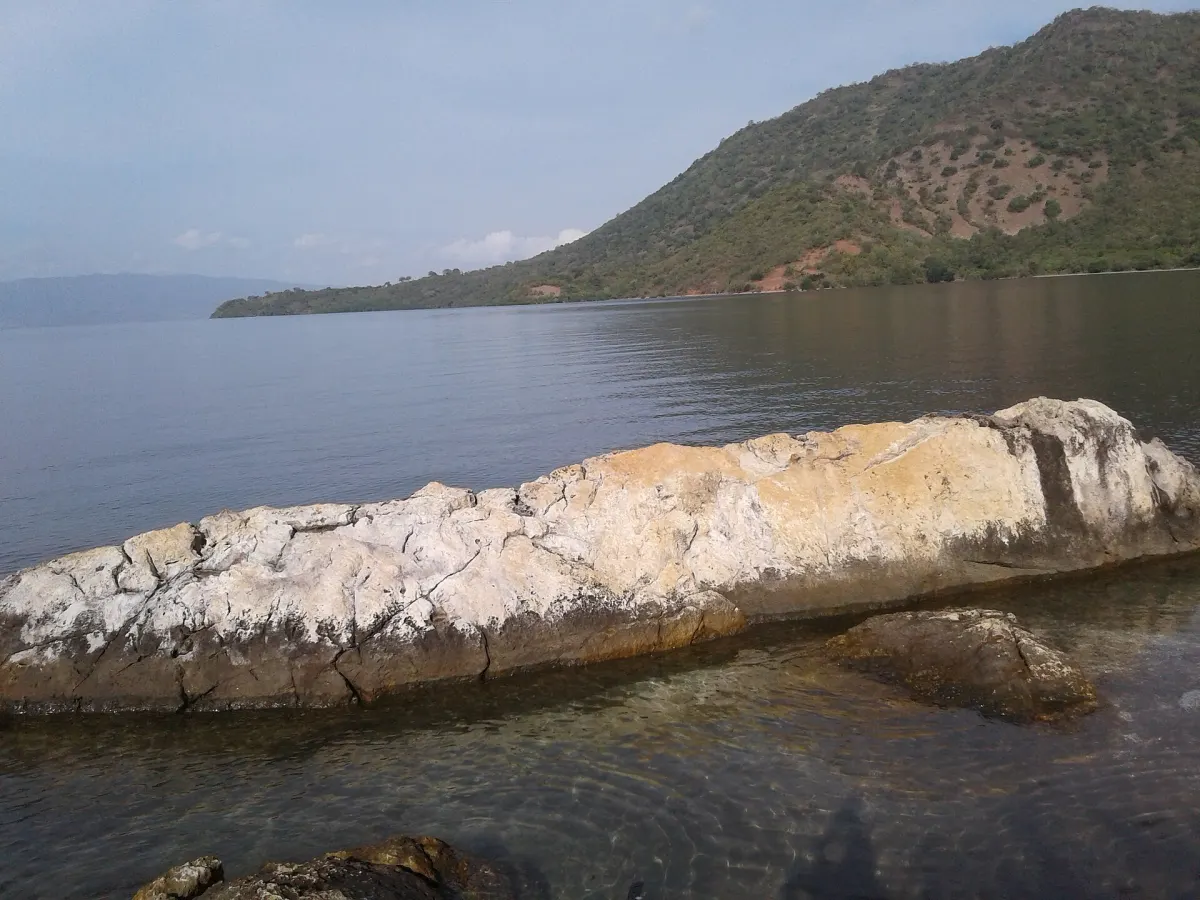
Labuan Bajo — — Kempo village in Mbeliling district, West Manggarai, has been identified as a village tourism destination with natural, cultural and religious attractions, and is home to one of Manggarai Barat’s most prominent Catholic heritage sites and nearby hill landscapes suited to short hikes.
Several studies and local accounts describe Kempo as one of West Manggarai’s designated tourism villages, with attractions including Golo Cucu hill, the historic Rekas church and surrounding rice fields and caves. Kempo lies in Mbeliling subdistrict in West Manggarai regency, East Nusa Tenggara.
Village tourism and attractions
An academic paper on tourism potential mapping in Kempo notes that the village has been designated as a tourism village and identifies at least 15 attractions, divided into five natural and ten cultural sites. Natural features listed include Golo Cucu hill, local caves and rice terraces, while cultural assets include the old Rekas church and village traditions.
Local reporting describes Golo Cucu as a prominent hill above Kampung Nuri in Kempo, around 2 kilometres from Rekas. Visitors can reach the area by paved road to a local cemetery and continue on foot for about 10 minutes to the summit, which offers broad views over the surrounding countryside. These accounts present Golo Cucu as a relatively accessible site for short treks from the village.
The wider Mbeliling area is already recognised for nature-based tourism, including birdwatching and trekking routes, and Kempo’s attractions are framed in that context. A district overview lists religious tourism at Rekas parish church in Kempo among Mbeliling’s key visitor draws.
Rekas church as religious tourism site
The Gereja Tua Rekas, formally St Maria Penghibur Orang Berduka Cita parish church, is one of Kempo’s most significant landmarks. Multiple reports describe it as the oldest Catholic church in Manggarai Barat, built in 1925 by German missionary Pater Franc Eickman of the Society of the Divine Word (SVD).
Local media and tourism authorities state that in 2019 the Manggarai Barat regency government designated the old Rekas church as a religious tourism site and cultural heritage asset. The church is located in Rekas, a traditional settlement within Kempo village, and has become a place of pilgrimage for Catholics in the Ruteng Diocese and beyond.
Reports emphasise its role in the early spread of Catholicism in western Flores and describe ongoing efforts by church and local government actors to develop it as a formal religious tourism destination.
A feature published by a Labuan Bajo-based tourism platform notes that the church is about 1.5 hours by road from Labuan Bajo, underlining its accessibility as a day-trip destination from the main tourism hub.
Community involvement and access
Local tourism discussions highlight that communities in Kempo have established a tourism awareness group (pokdarwis) around Golo Cucu and other attractions, working on village-based planning and seeking technical support from government and tourism institutions. Representatives of the group have raised concerns about road conditions and broader access to village tourism destinations in West Manggarai, indicating that infrastructure remains a constraint.
Accounts from community and church sources suggest an emerging model of village and faith-based tourism, combining heritage, religious pilgrimage and nature excursions. These sources describe aspirations for more structured management and visitor facilities, but they do not provide detailed, publicly available information on current tour products, booking systems, or formal benefit-sharing mechanisms in Kempo.
Regional tourism context
Mbeliling district is singled out in regional profiles as a hub for nature and cultural tourism, including Mbeliling forest birdwatching, trekking routes, waterfalls, cultural performances and religious sites. In this landscape, Kempo’s Golo Cucu hill and Rekas church feature as complementary attractions that can be integrated into broader West Manggarai itineraries.
Regional tourism strategies emphasise community-based and sustainable tourism, with local communities, religious institutions and government agencies collaborating to develop visitor experiences around existing landscapes and heritage. Kempo’s designation as a tourism village and the recognition of its religious sites and hill landscapes place it within this wider push to diversify tourism beyond Labuan Bajo while supporting rural livelihoods and cultural preservation.
Sources
- Jurnal Pengabdian Masyarakat Pariwisata (AMPTA) – "Pelatihan Penyusunan Narasi dan Peta Sebaran Potensi Wisata Bagi Pokdarwis Golo Cucu"
- InfoPublik – "Dirut BPOLBF, Sinergitas Wujudkan Pariwisata Labuan Bajo Berkelanjutan dan Mandiri"
- Okebajo – "Menulis Legenda Golo Cucu, Siswi SMPK Mutiara Rekas Juara 1 Tingkat Provinsi NTT"
- Labuanbajoflores.id – "Napak Tilas 100 Tahun Gereja Tua Rekas, Saksi Sejarah Spiritual Katolik Manggarai Barat"
- Flores Genuine – "Mengenang 100 Tahun Gereja Katolik Tertua di Manggarai Barat"
- Congkasae.com – "Ditetapkan Jadi Situs Cagar Budaya, Ini Sosok Pendiri Gereja Rekas"
- VoxNTT – "Gereja Tua Rekas Resmi Jadi Situs Religi"
- Wikipedia Indonesia – "Mbeliling, Manggarai Barat"
- Pos-Kupang – "Gereja Berusia Satu Abad di Manggarai Barat Saksi Sejarah Spiritual Katolik"
Next story
Manggarai Barat Restricts Official Activity in 64 Election Villages
Manggarai Barat has barred official government activity in villages holding simultaneous village-head elections from Sept. 23-29, 2026, while keeping…