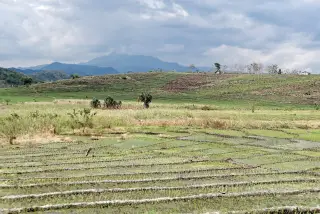

How much rice does Flores produce? Official figures explained
Official statistics show Flores regencies dominated NTT’s paddy production by harvested area, while agencies report separate totals for paddy and milled rice.
· 2 min read
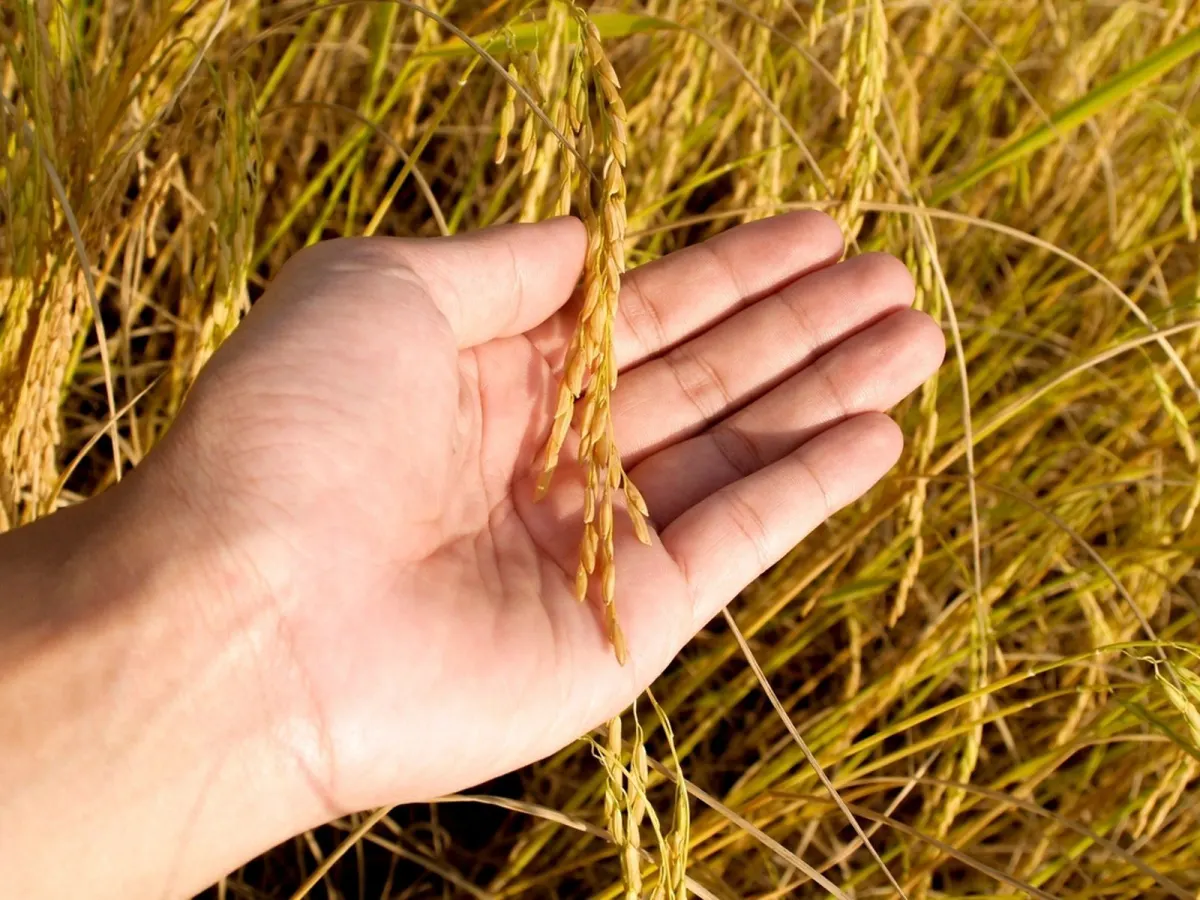
Rice remains a major agricultural measure across Flores and the wider East Nusa Tenggara region, but the official figures answer different questions: harvested area, paddy output and milled-rice production are not interchangeable. BPS estimated NTT’s 2025 paddy harvest at 211.47 thousand hectares and production at about 953.99 thousand tonnes of milled dry grain, while the provincial agriculture agency reported 561,267 tonnes of rice.
How much paddy did NTT produce?
BPS reported that NTT’s 2025 harvested paddy area was estimated at 211.47 thousand hectares, producing about 953.99 thousand tonnes of gabah kering giling, or milled dry grain, according to BPS, 2025. The comparable 2024 figures were 168.73 thousand hectares and 707.79 thousand tonnes, according to the same release.
What does the figure say about Flores?
BPS said that, when broken down by regency or municipality, paddy production over the previous two years was dominated by areas on Flores because their harvested areas exceeded those of other regencies and municipalities, according to BPS, 2026. The result identifies Flores as a major paddy-producing part of NTT, but the search result does not provide a single island-wide Flores total.
Why are the official totals different?
The provincial agriculture agency reported 561,267 tonnes of rice production in 2025, up 35.38% from 414,576 tonnes in 2024, according to the NTT Agriculture and Food Crops Service, 2026. That measure is rice, while BPS’s 953.99 thousand tonnes is paddy measured as gabah kering giling, so the figures should not be added or treated as competing totals.
What other official indicator helps explain the change?
The agriculture agency said NTT’s 2025 rice-planting area reached 250,528 hectares, equal to 96.11% of a 260,670-hectare target, according to the NTT Agriculture and Food Crops Service, 2026. It also reported that BULOG absorbed 6,025 tonnes of rice in 2025, against a central target of 6,240 tonnes.
What should readers take from the data?
For Flores, the clearest supported conclusion is that the island’s regencies accounted for the dominant share of NTT’s harvested paddy area in the latest two-year comparison reported by BPS. The precise island total requires a regency-by-regency table; the published provincial indicators instead show the difference between paddy output, rice output and planted or harvested area.
Sources
Read next
More on this story
Flores & Beyond
BMKG forecasts light rain in Ruteng and Labuan Bajo
BMKG forecasts light rain in Ruteng and Labuan Bajo on Saturday, 31 October 2026. The outlook also covers eight other East Nusa Tenggara locations.
Latest in Flores & Beyond

Related