
What does Flores’ geothermal potential mean for electricity access?
Flores was designated Indonesia’s first geothermal island in 2017, but official figures on potential, permitted plants and electricity access describe different stages of development.
· 3 min read
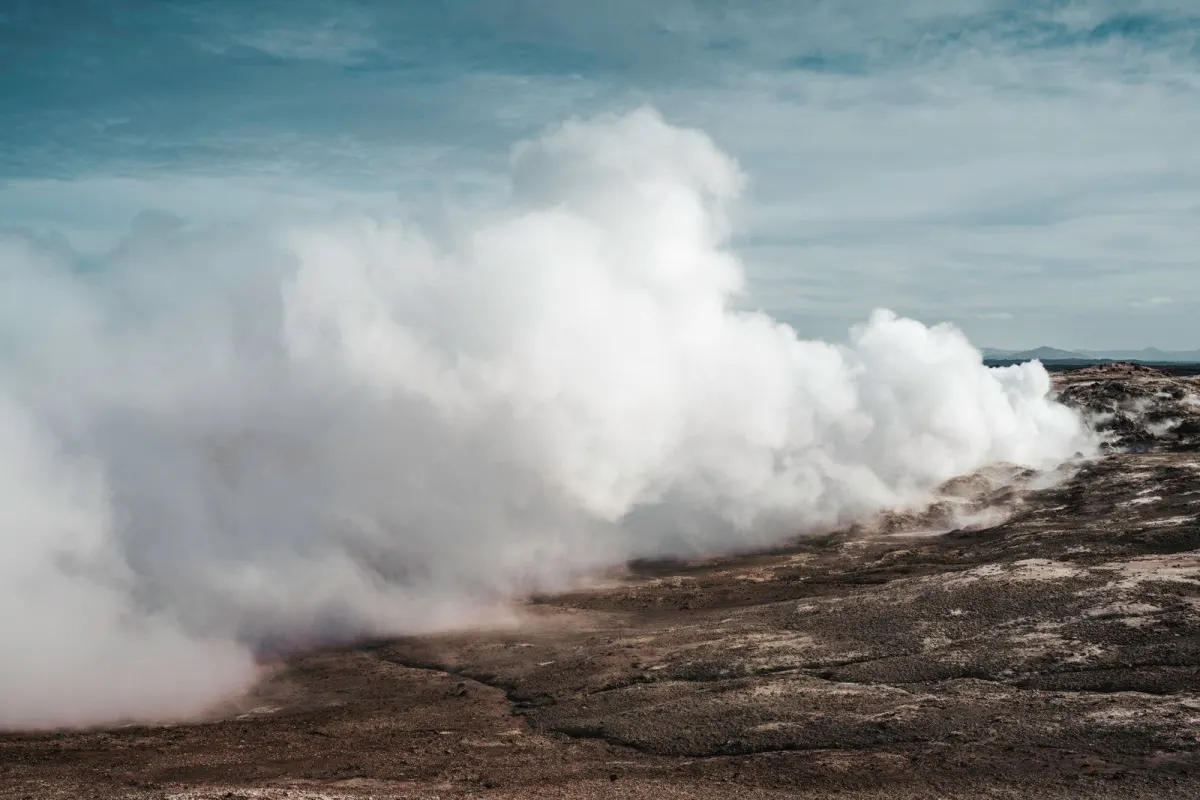
Flores’ geothermal potential is officially recognised, but it is not the same as electricity already available to households. The Energy and Mineral Resources Ministry says the island was designated a “Geothermal Island” on 19 June 2017; official ministry figures describe substantial resources, while separate provincial statistics provide the wider electricity-access context for Nusa Tenggara Timur.
What does “Flores Geothermal Island” mean?
The designation is a government policy framework intended to develop geothermal energy for Flores’ basic electricity needs and to support direct uses in agriculture, plantations and tourism, according to the ministry’s Directorate General of New, Renewable Energy and Energy Conservation in 2019.
The designation followed Energy and Mineral Resources Ministerial Decree No. 2268 K/30/MEM/2017, issued on 19 June 2017, according to the ministry.
How much geothermal potential does Flores have?
The ministry reported in 2019 that Flores had 776 MWe of geothermal potential within Nusa Tenggara Timur’s 1,276 MWe total. In a separate ministry account from 2019, Flores was described as having geothermal resources spread across 17 locations, with 402.5 MWe of resources and 527 MWe of reserves.
Those figures describe identified potential, resources or reserves; they do not mean that the same amount was already generating electricity.
Which Flores projects had permits?
The ministry said in 2019 that three Flores areas had received working-area permits: Ulumbu, Mataloko and Sokoria. The combined installed capacity reported for those areas was 12.5 MW.
The ministry also reported that Mataloko, in Ngada, had an existing 1x2.5 MW geothermal plant and that expansion to 2x10 MW was being prepared by PLN. These are project-capacity figures, not a measurement of all electricity supplied across Flores.
Why does geothermal matter for electricity access?
Geothermal development is linked to the island’s electricity challenge because it can provide steady, or baseload, generation. In 2019, the ministry reported Nusa Tenggara Timur’s electrification ratio at 72% in July, compared with more than 98.8% nationally at that time.
Provincial statistics published by BPS in 2025 include district-level tables covering households that used the internet during the previous three months for 2021–2024, alongside other household and infrastructure indicators. Those tables help distinguish household access and use indicators from power-plant potential, which measure different things.
What should readers take from the numbers?
Flores has a government-backed geothermal development framework and several identified project areas, but potential, permitted capacity and household access are separate stages of the energy system. The official record therefore supports describing geothermal as a major development opportunity, not as proof that all Flores communities already receive geothermal electricity.
Sources
Read next
More on this story
Travel & Access
BMKG warns of thunderstorm risk in Labuan Bajo on 1 November
BMKG forecasts thick cloud, rain and a chance of thunderstorms in Labuan Bajo on Sunday, 1 November 2026. Nearby waters also face a warning of wind gu…
Latest in Flores & Beyond

Related