
DPR member presses Tourism Ministry over food waste in Labuan Bajo
A senior member of Indonesia’s House of Representatives has urged the Tourism Ministry to give “serious attention” to food waste from tourism businesses in destinations including Labuan Bajo, amid research showing non-household sources are…
By Mukmin John
Editor: Mursyid Sonsang
· Event date: · 4 min read
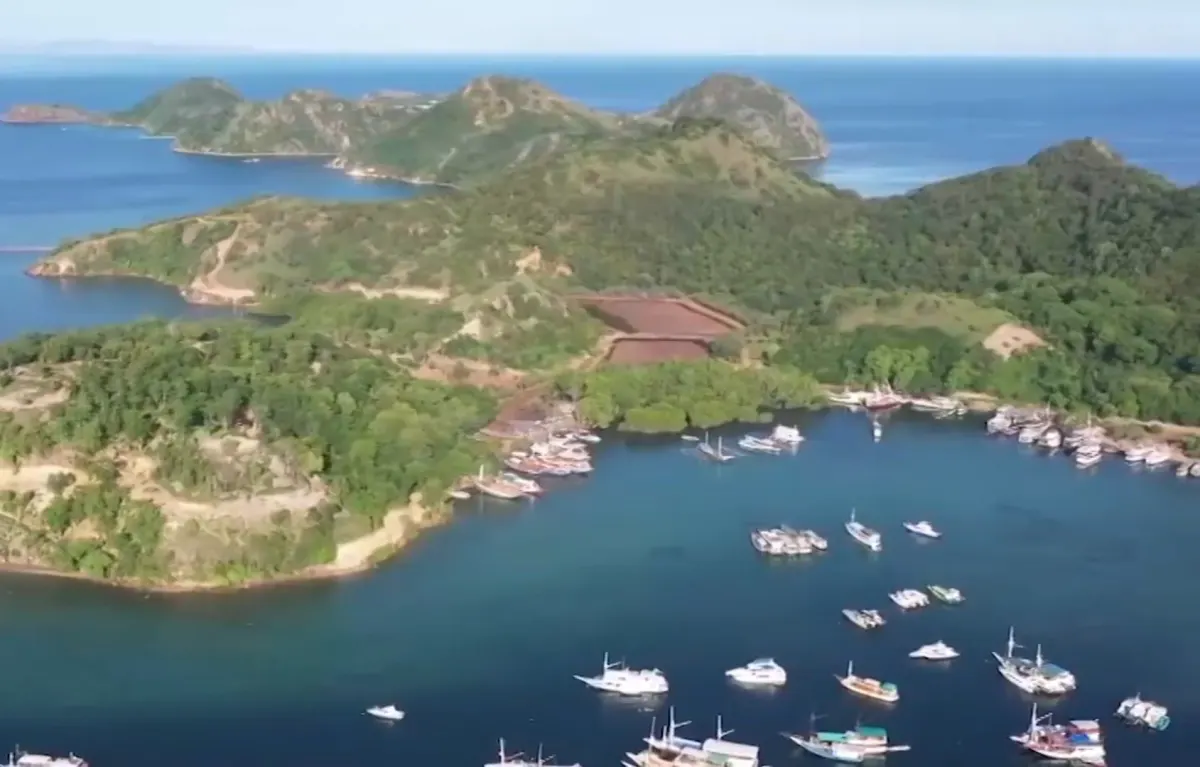
Labuan Bajo — — Indonesia’s House of Representatives has urged the Tourism Ministry to pay closer attention to food waste generated by tourism businesses in destinations including Labuan Bajo, following a working meeting in Jakarta on Monday, 31 August 2026, according to local media coverage. The concern was raised without an accompanying official national or local tonnage figure from parliament, but other recent studies suggest non-household sources such as hotels, restaurants and tourist boats are major contributors to food waste in Labuan Bajo.
Wakil Ketua (Deputy Chair) of Commission VII, Chusnunia Chalim, delivered the appeal during a working meeting with the minister responsible for tourism and the minister responsible for micro, small and medium enterprises at the parliamentary complex in Senayan, Jakarta. According to Todaynews.id, she asked the Tourism Ministry to give food waste in tourist areas “serious attention”, warning that the issue could not be ignored while the government seeks to promote “quality and sustainable” tourism.
Todaynews.id reports that Chusnunia’s remarks drew on findings about food waste in Labuan Bajo, a flagship “super-priority” tourism destination in East Nusa Tenggara. She cited data indicating that food waste in the area was not coming mainly from households, but that tourism activities were a significant source, mentioning hotels, tourist boats, restaurants and cafes as examples. The media report did not specify the original source, date or methodology of the data presented to the lawmaker.
Food waste patterns in Labuan Bajo
Independent research published in 2026 provides a more detailed picture of food waste in Labuan Bajo and broadly supports the concern that tourism-related businesses are important contributors. A baseline study of food waste in Labuan Bajo estimated total food waste in 2024 at around 4,836 tonnes, with non-household sources accounting for slightly more than household sources.
The study found that households contributed the largest single share, followed by food establishments and traditional markets, while hotels, restaurants, food stalls and tourist boats each contributed between roughly 5 and 10 per cent of total food waste.
Local reporting from Manggarai Barat regency also highlights the role of the tourism and hospitality sector. According to Infomabar, local officials estimate that around 51,000 tonnes of waste are generated per year in Manggarai Barat, with the hotel, restaurant and café (horeka) and tourism sector contributing about 30 per cent of that total.
Another article summarising the food-waste study notes that about 52 per cent of food waste in Labuan Bajo comes from non-household sources and that roughly 59 per cent of food waste is reused as animal feed, while around a quarter still ends up at the Warloka landfill.
Work by researchers and civil-society organisations further documents how tourism-linked businesses handle surplus food and waste. An analysis by WRI Indonesia describes how hotels, restaurants, cafes and tourist vessels in Labuan Bajo generate organic waste dominated by food, with some of it being collected by pig farmers as animal feed and some reportedly disposed of at sea by certain boats.
Both the scientific study and local reporting echo Chusnunia’s concern that better regulation, infrastructure and monitoring are needed to prevent food waste from undermining environmental conditions and the sustainability of the destination.
Government attention and remaining gaps
During the August 2026 meeting, Chusnunia framed food waste management as integral to the government’s ambition to develop higher-quality, more sustainable tourism. She cautioned that tourism growth must be matched by the destination’s ability to manage waste, so that the expansion of visitor numbers does not create environmental damage or weaken the long-term viability of tourist areas such as Labuan Bajo.
The parliamentary intervention follows earlier initiatives by the Tourism Ministry and local authorities to address waste in Labuan Bajo, though these programmes have focused more broadly on solid waste and food loss than on quantified food-waste targets for individual business categories.
The Tourism Ministry’s Labuan Bajo authority has hosted strategic dialogues on waste and food loss and waste in the tourism industry, promoted clean-tourism campaigns, and supported an organic-waste processing unit using black soldier fly larvae. However, the available reporting on Chusnunia’s remarks does not mention any new commitment by the ministry to mandatory measurement, redistribution of edible food, composting requirements or compulsory reporting specific to food waste from tourism operators.
For residents and visitors, the practical question is whether rapid tourism growth in Labuan Bajo can be matched with adequate waste-management capacity, including for food waste generated by hotels, tourist vessels, restaurants and cafes. The latest appeal from Commission VII places food waste more directly on the Tourism Ministry’s agenda, but detailed policy proposals, implementation timetables and destination-specific obligations for tourism businesses had not been outlined in the available public accounts of the meeting.
Sources
Next story
BMKG Warns of 3.5m Waves off South Sumba Through 19 September
Indonesia’s BMKG maritime station in Kupang warns of moderate to high waves across key Nusa Tenggara Timur routes from 17 to 20 September 2026, with t…
Related