
Apkasi urges restored regional transfers after Flores M7.7 quake
Indonesia’s Association of Indonesian Regencies (Apkasi) has urged the central government to restore transfer funding for districts hit by the August 15 magnitude 7.7 earthquake in East Nusa Tenggara, saying local budgets cannot cover…
Editor: Mursyid Sonsang
· Event date: · 4 min read
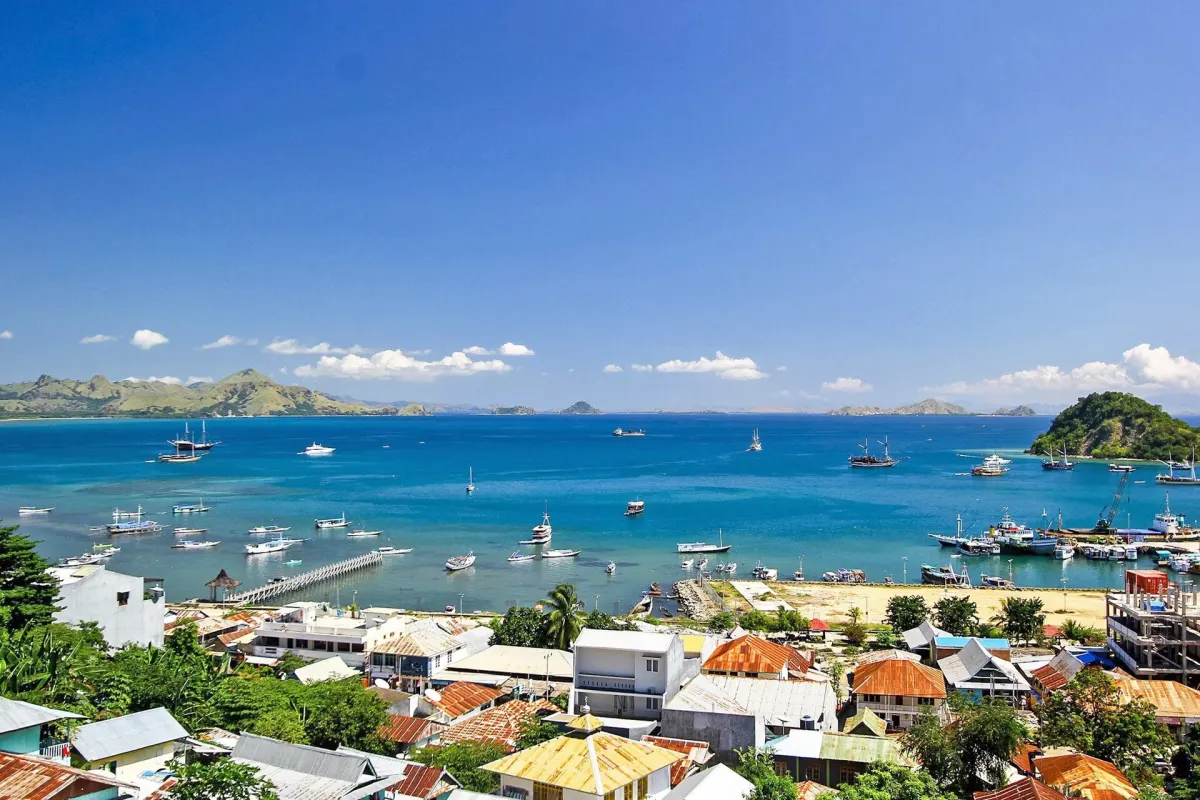
Labuan Bajo — Indonesia’s association of regency governments has asked Jakarta to restore regional transfer funding for districts hit by the August 15 magnitude 7.7 earthquake in East Nusa Tenggara, arguing that local budgets cannot cover the scale of reconstruction and service recovery needed.
The Association of Indonesian Regencies (Apkasi) delivered the appeal during a visit to the Manggarai Barat Disaster Management Agency post in Labuan Bajo on Saturday, 5 September 2026, as part of a humanitarian mission to quake-affected areas on Flores. Apkasi chairman Bursah Zarnubi led a delegation of regents that met local officials to discuss recovery needs and funding gaps in Manggarai Barat and other districts.
The earthquake struck near Nagekeo on 15 August 2026 with a magnitude of 7.7, shaking much of Flores and damaging homes, schools, health facilities and other public infrastructure across several regencies. National disaster agency BNPB reported strong shaking for around one minute in Nagekeo, Sikka, Manggarai Barat and the nearby city of Bima. Subsequent assessments by government agencies and media have recorded tens of thousands of damaged houses and extensive impacts on education and health services across Flores.
Apkasi presses for restored transfers
Apkasi’s leadership is urging the central government to restore the allocation of Transfer ke Daerah (TKD), or transfers to regions, for quake-affected regencies. According to reports quoting Apkasi vice chairman Yusuf Rio Wahyu Prayogo, who is also the Situbondo regent, the association considers TKD restoration essential to prevent economic disruption and the paralysis of public services in Flores.
Yusuf Rio argued that the damage caused by the earthquake is too large to be financed solely through unexpected expenditure items, known as Belanja Tidak Terduga (BTT), in local budgets. He said restoring basic infrastructure such as roads, schools, homes and health facilities requires additional support from central government transfers so that reconstruction is not delayed.
Media reports on the Apkasi visit note that the association is calling for TKD allocations to be returned to the affected districts, but do not specify which components of TKD would be adjusted or how much each regency might receive. In Nagekeo, local officials have indicated that restored transfers could provide around Rp120 billion for temporary housing, highlighting the scale of the housing challenge in one of the hardest-hit areas.
Damage across Flores and pressure on services
Government and media data compiled in the weeks after the quake show widespread damage in multiple regencies, including Manggarai, Manggarai Timur, Manggarai Barat, Ngada, Nagekeo, Ende and Sikka. BNPB’s early assessments on 15–17 August recorded more than 4,500 damaged houses across several districts, including hundreds of heavily damaged homes in Manggarai, Manggarai Timur, Manggarai Barat and Nagekeo.
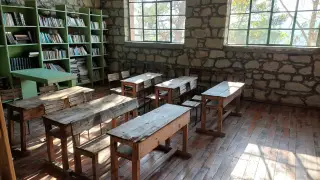
Later updates cited by national media report rising totals as assessments progressed, with more than 70,000 damaged houses and over 1,900 affected public facilities such as schools, health centres, offices and places of worship across Flores. Education authorities have reported damage to hundreds of schools in at least seven regencies, forcing the deployment of emergency learning tents and temporary facilities.
In Manggarai Barat, local officials told visiting Apkasi delegates that multiple subdistricts had been affected and that classrooms had been moved to emergency tents so lessons could continue, underscoring the pressure on education services. National coverage of the post-quake situation has also highlighted damage to health facilities, roads and other basic infrastructure that support daily life and tourism in western Flores.
Next steps in recovery
During the Labuan Bajo visit, Bursah Zarnubi said Apkasi would send formal letters to ministries responsible for public works, education, health and housing, seeking special attention for rehabilitation and reconstruction in Flores. The association has framed the earthquake response as requiring treatment comparable to major disasters in other parts of Indonesia, given the scale of damage and the number of displaced residents.
Apkasi leaders have also called for expanded psychosocial support for communities affected by the quake and its thousands of aftershocks, noting reports of trauma among residents who remain in temporary shelters. As Manggarai Barat and other regencies move from emergency response toward longer-term rebuilding, local governments are expected to refine their funding proposals to the central government while continuing to rely on national disaster funds, sectoral ministry budgets and any restored TKD allocations.
Sources
Read next
More on this story
Islands & Spots
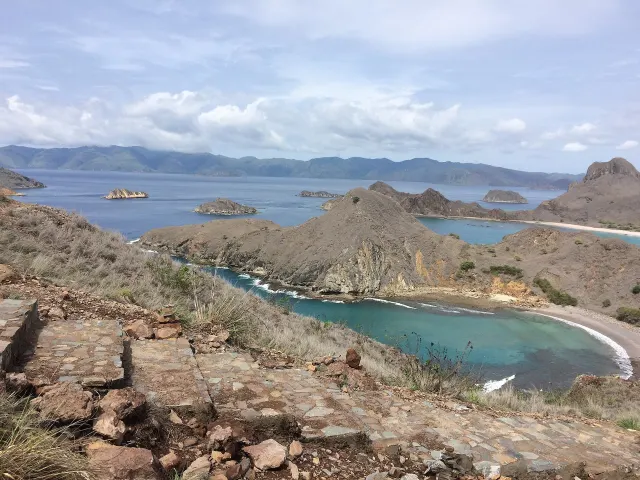
Komodo National Park’s Padar Island: where it is and how visits work
Padar Island sits at the heart of Komodo National Park, known for its ridge-top view over three bays. Here is where it is, how visitors reach it, and…
Latest in Labuan Bajo
Today’s top story

Related