
Six Flores Lakes Beyond Kelimutu Emerge as Alternative Itinerary Stops
A lifestyle feature from Indonesia identifies Sano Nggoang, Ranamese, Waibelen and Rana Kulan as lesser-known lake destinations across Flores that can complement or extend trips beyond Kelimutu, but detailed access and safety advice still…
Editor: Mursyid Sonsang
· Event date: · 4 min read
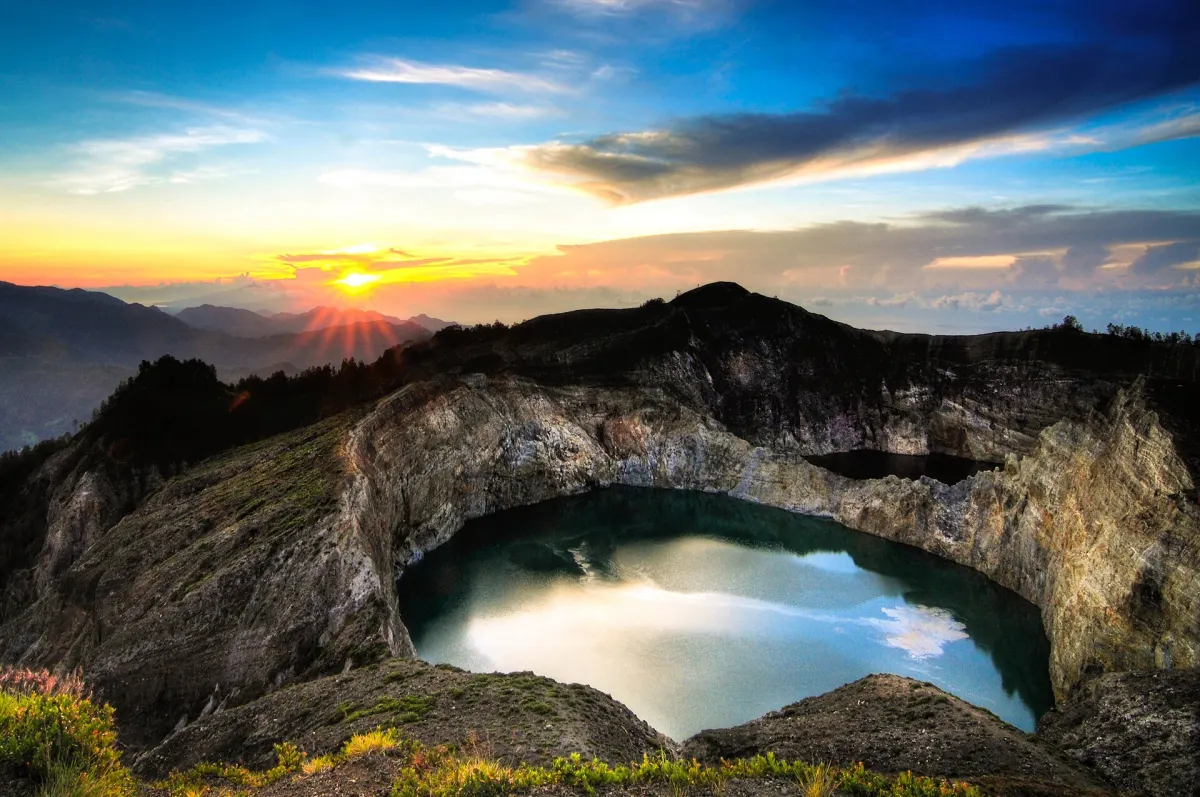
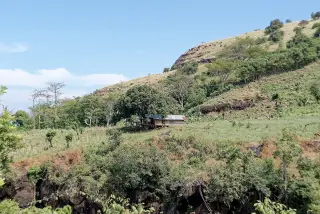
Labuan Bajo — — Travellers looking beyond the famous Kelimutu crater lakes now have at least six other freshwater destinations to consider across Flores, including Sano Nggoang, according to a feature on lakes in Flores published by lifestyle outlet IDN Times. The article highlights a set of scenic lakes spread from West Manggarai to eastern Flores but does not provide detailed, current safety or access advisories from official authorities.
The IDN Times piece, titled in Indonesian as a list of “6 lakes you must visit on Flores,” identifies Sano Nggoang as the first recommendation and situates it in Wae Sano Village, Sano Nggoang District, West Manggarai Regency. Other lakes mentioned in the list include Ranamese in East Manggarai and Waibelen, also known as Danau Asmara, in Flores Timur, along with Rana Kulan.
Kelimutu is used as a reference point rather than being part of the six-lake set, reinforcing the idea of these sites as alternatives for travellers already familiar with Kelimutu.
Sano Nggoang: the anchor alternative
Sano Nggoang, a volcanic crater lake sometimes described locally as “the burning lake,” is repeatedly cited by travel and tourism sources as the largest or deepest crater lake in East Nusa Tenggara. It lies about 60–63 kilometres from Labuan Bajo, with most sources describing a three to four-hour journey by road, reflecting difficult terrain and slower driving speeds than mapping estimates might suggest.
Several travel operators and tourism pages describe access from Labuan Bajo via the Trans-Flores route and local roads toward Wae Sano or Nunang, with the final sections narrower and rougher than the main highway. One geotourism study notes that road conditions are generally good along the Trans-Flores highway but become relatively poor closer to village areas near the lake.
Commercial transport and guiding services from Labuan Bajo are available, and some overnight trips combine homestays in Sano Nggoang village with hiking or camping around the lake.
Descriptions from tourism and backpacker guides characterise Sano Nggoang as a quiet, off‑the‑beaten‑track destination, with opportunities for hiking along the lakeshore, bathing in nearby hot springs and village‑based accommodation. Several sources emphasise that the sulphur-rich water and continuing volcanic activity mean visitors should pay close attention to local guidance and seasonal conditions, including advice to avoid visiting during heavy rain.
Other Flores lakes beyond Kelimutu
Beyond Sano Nggoang, IDN Times points readers to Ranamese Lake in East Manggarai, Waibelen or Asmara Lake in Flores Timur and Rana Kulan as further scenic options. While each is promoted for its scenery and relatively low visitor numbers compared with Kelimutu, the list functions mainly as inspiration rather than a detailed route plan, and does not offer step‑by‑step access guidance comparable to what is available for Kelimutu.
Independent travel writers who focus on Flores itineraries tend to frame Kelimutu as the eastern highlight of a trans-island journey, with other lakes and volcanic features added according to interest and available time. In these guides, Sano Nggoang appears most often as the crater lake side trip from Labuan Bajo, while Ranamese and other lakes are mentioned more sporadically.
Using the six-lake idea in practical planning
For travellers building a longer Flores itinerary, the six-lake concept is best treated as a set of potential stops rather than a ready-made loop. Road-condition briefings for Flores emphasise that secondary routes, including those toward Sano Nggoang, can be rough, with unsealed sections, ruts and limited turning space that make journey times significantly longer than mapping estimates. Local transport providers recommend adding 40–60 percent to app-based driving times when planning, especially on minor roads.
Given that official, lake-specific safety statements are not consolidated in a single public source, visitors are generally advised by regional travel information to confirm current access with local authorities, accommodation providers or recognised guides before departure. This is particularly important during the rainy season and in areas with active geothermal features, where conditions may affect both road safety and lakeside activities.
Kelimutu remains the most documented crater lake destination on Flores, with established sunrise visitation routines and clear access notes. The lakes identified by IDN Times — Sano Nggoang, Ranamese, Waibelen or Asmara, and Rana Kulan — offer quieter landscapes and a chance to explore less-visited parts of Flores, but travellers should treat each as a separate planning exercise rather than assuming a single, uniform access standard across all six sites.
Sources
Next story
KM Sirimau timetables list 21–22 September Maumere and Lewoleba calls
KM Sirimau is scheduled to call at Maumere on Monday, 21 September 2026, and Lewoleba early the following day on its Sorong–Merauke voyage. Travellers…
Related