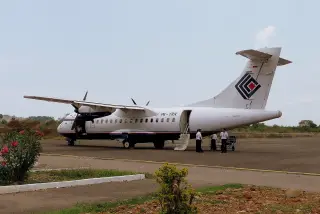

Transport stimulus unlikely to overcome high airfares to NTT
Indonesia’s Rp26.34 trillion second-half 2026 stimulus includes Rp2.04 trillion in transport incentives aimed at boosting holiday travel nationwide, but high airfares and limited competition on key routes continue to challenge domestic…
Editor: Mursyid Sonsang
· Event date: · 4 min read
Labuan Bajo — Indonesia’s second-half 2026 economic stimulus package includes transport discounts and tax relief aimed at boosting mobility nationwide, but travel businesses in East Nusa Tenggara (NTT) say persistently high airfares and limited competition on key routes remain significant constraints on domestic tourism.
Coordinating Economic Affairs Minister Airlangga Hartarto announced in late June that the government had prepared eight stimulus measures worth a combined Rp26.34 trillion for the second half of 2026, including around Rp2.04 trillion in transport incentives, Rp6.26 trillion for internships and vocational programmes, and Rp18.04 trillion for food assistance.
According to the Ministry of Transportation, the transport component covers several modes and focuses on the June–August school holidays and the Christmas and New Year (Nataru) period.
Scope of the national transport incentives
Government statements and economic reports describe a package of transport measures designed to reduce travel costs for millions of passengers.
For the June–August 2026 school-holiday period, the government offers a 30 percent discount on train tickets, a 30 percent reduction in base fares for Pelni sea voyages, and free port-service charges at ASDP-managed crossings, with a combined allocation of about Rp190.5 billion targeting three million passengers.
During the same period, the state also provides 100 percent government-borne value-added tax (PPN Ditanggung Pemerintah, or PPN DTP) on scheduled domestic economy-class air tickets, backed by an allocation of roughly Rp472.7 billion and a target of 2.3 million air passengers.
Similar incentives are planned for the Nataru 2026/2027 holidays, including 30 percent discounts on selected train and Pelni services, free ASDP port-service tariffs and another round of full PPN DTP for domestic economy flights, with an aviation allocation of about Rp722 billion and a target of 3.7 million passengers.
In total, these transport incentives across rail, sea, ferry and air travel are valued at around Rp2.04 trillion for the second half of 2026, applied nationally rather than by province.
Implications for NTT and Labuan Bajo
Because the incentives apply across Indonesia, travellers to NTT can benefit from lower taxes and discounts on tickets where eligible, including flights to the province and onward connections by ferry or ship.
Labuan Bajo and other tourism destinations in NTT depend on both international and domestic visitors, and lower transport costs could help support demand, particularly outside the peak European summer months.
However, industry representatives have repeatedly highlighted that ticket prices to NTT are shaped not only by tax levels and government discounts but also by fuel costs, operating expenses and the structure of the domestic aviation market.
On routes with limited airline presence and relatively few daily flights, competition can be weak, reducing pressure on carriers to cut fares even when incentives are available.
By contrast, major tourism and business routes in Indonesia with more operators and higher frequencies tend to show stronger price competition, although airfares there still climb during school holidays and other peak periods.
Connectivity and price as ongoing challenges
Travel agencies and tour operators in NTT have long identified air connectivity as a central determinant of the region’s tourism performance.
High ticket prices can deter domestic leisure travellers, especially families planning trips during school holidays, while limited flight options reduce flexibility for visitors combining Labuan Bajo with other destinations.
These structural issues mean national transport incentives may function more as relief for passengers who are already travelling than as a catalyst for a large new wave of domestic tourism into NTT.
For regional tourism businesses, the effectiveness of the stimulus therefore hinges on how far final ticket prices fall after discounts and tax subsidies, the number of routes and frequencies serving key gateways such as Labuan Bajo, and the timing of events that can generate travel, including government meetings and corporate gatherings.
Available economic commentary suggests the 2026 stimulus is intended to support household purchasing power and mobility amid global uncertainty, while also giving families and businesses time to plan trips around the school holidays and Nataru period.
For NTT, the broader policy debate now centres on how transport incentives interact with longer-term efforts to expand connectivity, strengthen competition among airlines and ensure that tourism-dependent regions can sustain visitor flows beyond a single holiday season.
Sources
- CNBC Indonesia – Total Nilai Paket Stimulus Semester II-2026 Prabowo Tembus Rp 26,34 T
- DetikFinance – Penjelasan Lengkap soal Paket Stimulus Ekonomi Rp 26,34 Triliun
- Ministry of Transportation – Pemerintah Siapkan Stimulus Transportasi Libur Sekolah 2026 dan Nataru 2026/2027
- DDTC News – Pemerintah Siapkan 8 Stimulus Ekonomi pada Semester II-2026, Apa Saja
- Inilah.com – Dukung Stimulus Jilid II, Indef: Efektif Dongkrak Daya Beli yang Loyo
Next story

Labuan Bajo Immigration Brings Mobile Passport Service to Ruteng
The Labuan Bajo Class II TPI Immigration Office held a mobile passport and immigration service at a convent in Ruteng on Monday, 22 June 2026, offerin…
Related