
Seagrass Data Gaps Persist Across 28 World Heritage Properties
Seagrass meadows at natural World Heritage properties hold a substantial share of global seagrass carbon stores and support coastal resilience, yet recent scientific assessments highlight gaps in climate-focused monitoring and management…
Editor: Mursyid Sonsang
· Event date: · 4 min read
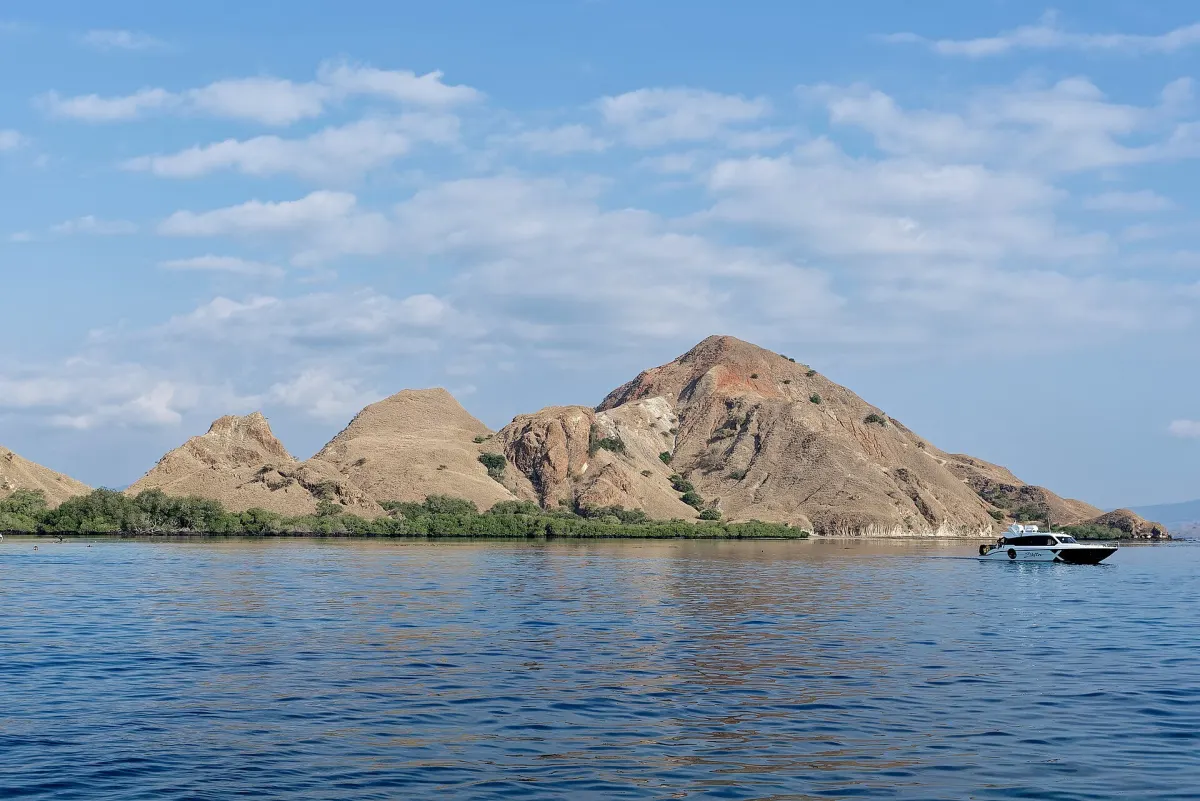
Labuan Bajo — — Seagrass habitats are an important but unevenly documented part of conservation efforts at natural World Heritage properties, with recent research highlighting gaps in monitoring and climate-related management across 28 sites where seagrass is present. The scientific literature identifies nine properties where seagrass is a very high or high-importance attribute, and estimates that marine World Heritage sites hold about a quarter of the world’s documented seagrass carbon assets.
Seagrass meadows provide habitat, support food webs and help stabilize coastal sediments, making them a key component of coastal resilience. They can improve water quality, reduce turbidity and buffer ocean acidification, delivering benefits to neighboring coral reefs and mangroves. These roles mean that changes in seagrass condition can affect biodiversity, sediment movement and the ecosystem services available to coastal communities, even where site-specific data are limited.
What the World Heritage seagrass studies found
A thematic assessment led by James Cook University researchers described seagrass as an important natural attribute in 28 World Heritage properties and used expert surveys and site information to evaluate conservation status, threats, monitoring and management. The work applied a climate vulnerability index to seagrass habitats, finding that more than half of the habitats assessed have high vulnerability to climate change, driven mainly by long‑term increases in sea surface temperature and short‑term marine heatwaves.
According to the study and related thesis work, seagrass habitats were scored for their contribution to a property’s Outstanding Universal Value, with five sites rated as having very high importance and four as high importance. The authors note that climate change is considered the greatest and fastest‑growing threat to natural World Heritage properties, yet climate impacts on seagrass are still not consistently addressed in official World Heritage documentation.
They argue that incomplete analysis and reporting could lead to underestimation of the ecosystem’s conservation value and of the urgency of climate‑adaptation measures.
Estimates compiled for UNESCO’s blue‑carbon assessment indicate that marine World Heritage sites, including their immediate surrounding areas where data exist, hold about 25% of global seagrass carbon stores, underscoring the global significance of these meadows for carbon sequestration. Seagrass habitats constitute the majority of blue‑carbon ecosystems within marine World Heritage sites, further reinforcing their role in climate‑mitigation strategies.
Regional indicators in the Sunda Banda Seascape
At the regional scale, the State of the Sunda Banda Seascape Marine Protected Area Network – 2017 report developed a standardized dashboard of 22 indicators across five domains—enabling conditions, human well‑being, ecosystem health, fish and fisheries, and governance—to assess marine protected areas in the broader seascape. The ecosystem‑health domain includes indicators for the coverage of three critical coastal habitats: mangrove forests, seagrass beds and coral reefs.
The report concludes that, at subseascape level, some regions have protected more than 30% of their seagrass ecosystems inside marine protected areas, meeting or exceeding a commonly used conservation target. It highlights that in the Lesser Sunda subseascape, which includes parts of Nusa Tenggara Timur, protection of seagrass within marine protected areas is comparatively strong, and notes that standardized indicators and spatial data are intended to support adaptive management and decision‑making across the network.
Monitoring and management implications
The World Heritage seagrass assessments emphasize that effective conservation requires not only recognizing where seagrass occurs but also being able to detect changes in condition over time. A robust monitoring program typically needs information on the location and extent of meadows, species composition, canopy structure, and pressures such as warming, eutrophication or sedimentation, so that managers can link observed trends to management responses.
Regional analyses in the Sunda Banda Seascape likewise depend on comparable indicators—such as the proportion of seagrass cover within protected areas—to evaluate whether habitat‑protection targets are being met and to track progress across provinces and subseascapes. Together, these strands of conservation science show that while seagrass is widely acknowledged as a critical habitat and a major blue‑carbon store, research, monitoring and climate‑adaptation measures are still developing, leaving important gaps in the evidence base for site‑level management, including at sites associated with Komodo National Park.
Sources
- James Cook University / Conservation Science and Practice article PDF
- UNESCO Marine World Heritage: custodians of the globe’s blue carbon assets
- Marine Conservation Evidence – Sunda Banda Seascape (SBS), Indonesia
- State of the Sunda Banda Seascape Marine Protected Area Network – 2017 (WWF Indonesia report)
- Academia.edu figure – State of the Sunda Banda Seascape Marine Protected Area Network dashboard
Next story
Komodo National Park reefs host more than 1,000 fish species, sources say
Komodo National Park sits inside the Coral Triangle, where UNESCO and WWF say its waters hold more than 1,000 fish species and more than 260 coral spe…
Related