
Calm Water Can Hide Strong Currents at Three Komodo Sites
A calm sea surface in Komodo National Park can still conceal strong currents. Local operators say Castle Rock, Crystal Rock and Batu Bolong demand caution and guided judgment.
Editor: Mursyid Sonsang
· 3 min read
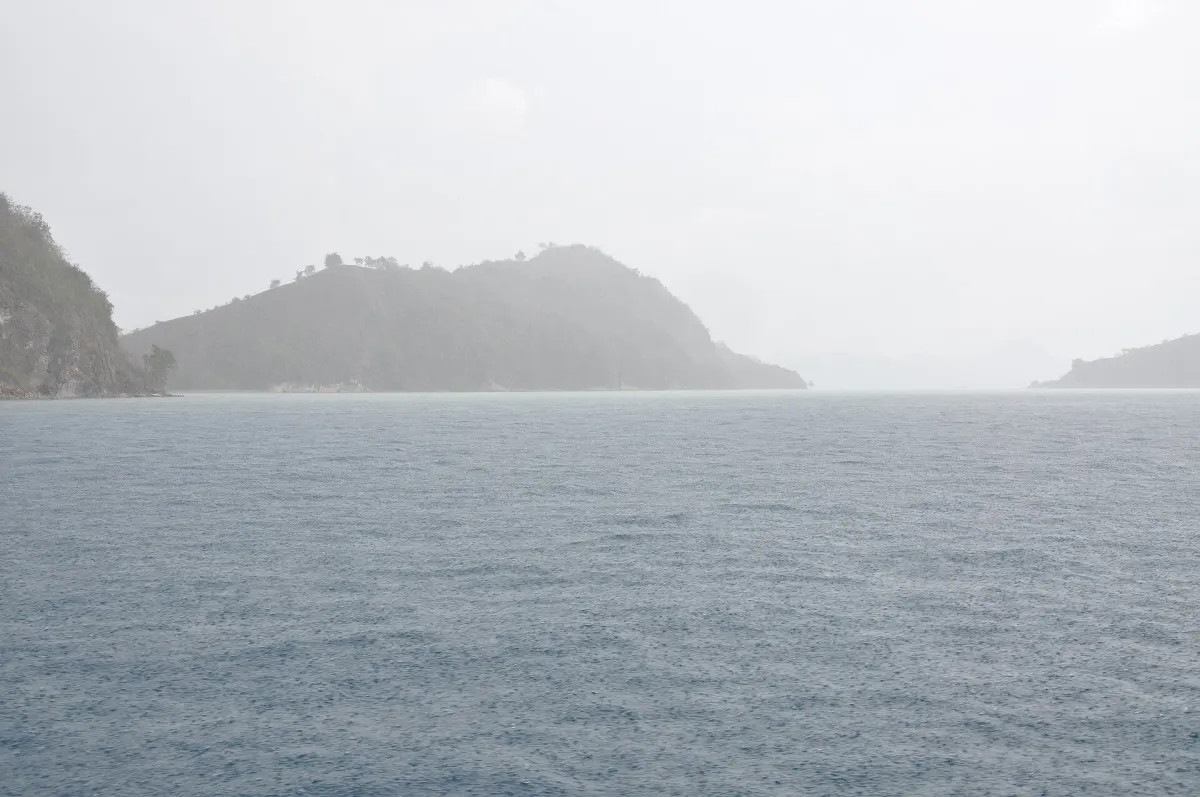
Labuan Bajo — — A smooth surface in Komodo National Park can still hide powerful currents, and local operators say three of the park’s best-known sites — Castle Rock, Crystal Rock and Batu Bolong — require particular caution.
Guidance from Komodo Resort says the park’s waters are shaped by tidal movement and can change quickly, while Komodo Islands Snorkeling describes Komodo currents as strong and unpredictable and says they vary by tide, season and location.
That matters because a calm-looking reef or channel is not a reliable signal of safe conditions. For snorkellers and divers, the practical rule is to rely on a guide’s site-specific briefing rather than the appearance of the water at the surface.
Why calm water can mislead
Komodo Islands Snorkeling says current strength in the park can change with the tide, and the site’s guidance recommends planning around tide shifts rather than assuming one part of the day is always safer than another.
Komodo Resort also says conditions are not uniform across the park. Its snorkeling guide notes that some areas are more exposed than others and that trip planning should account for the day’s weather and water movement.
For visitors, that means the safest decision is to ask what the guide has seen at the planned site that day, how the boat plans to manage entry and pickup, and whether the site matches the group’s experience level.
Sites that call for extra caution
Castle Rock is described by Komodo Islands Snorkeling as a site with strong and unpredictable currents, making it a location better suited to experienced divers than casual snorkellers.
Crystal Rock is also presented as a current-sensitive site, with water movement that can vary by tide and location. The guide recommends that divers be ready for changing conditions when entering the water there.
Batu Bolong is widely known for its coral and fish life, but the same guidance warns that currents can be swift around the site, so staying close to the guide and keeping equipment secure is important.
Those warnings are consistent with Komodo Resort’s own snorkeling material, which describes Komodo’s marine conditions as tidal and site-dependent rather than stable from one trip to the next.
What operators advise
Komodo Islands Snorkeling recommends guided trips, staying with a buddy and remaining within sight of the guide. It also advises divers to assess their own comfort and experience before entering the water.
The commercial guide further says Advanced Open Water certification is recommended for most sites and that divers should have logged dives, including experience in current. Those are operator recommendations, not park rules.
Komodo Resort says snorkeling plans are arranged in advance, communicated to guests and usually built around two to three sites, with trips typically starting around 8 a.m. and returning around 1 p.m.
Before boarding, passengers should ask which site is planned, how the current is expected to behave, who supervises entry and pickup, and what equipment is available if someone is swept off position. They should also disclose medical conditions that could affect their ability to snorkel safely.
Park context
Komodo National Park spans land and sea across the Komodo archipelago and is known for rich marine biodiversity that draws divers, snorkellers and day-trip visitors from Labuan Bajo. The park’s appeal is also what makes local current awareness essential, especially at exposed reef pinnacles and channel sites.
For inexperienced visitors, the key point is simple: in Komodo, a quiet surface is not the same as calm water below.
Sources
Next story
Komodo tide forecast shows why timing matters for boat trips
Tides4Fishing’s Komodo forecast shows tides ranging from 0.5 to 3.0 metres later in the week, while BMKG’s marine data for the park’s port shows curre…
Related