
Komodo’s 17,308-Hectare Fishing Zone Remains a Source of Access Disputes
Research and civil-society reporting describe Komodo National Park’s 17,308-hectare traditional use zone, alongside a larger pelagic zone, and show how overlapping uses can complicate access and enforcement.
· Event date: · 3 min read
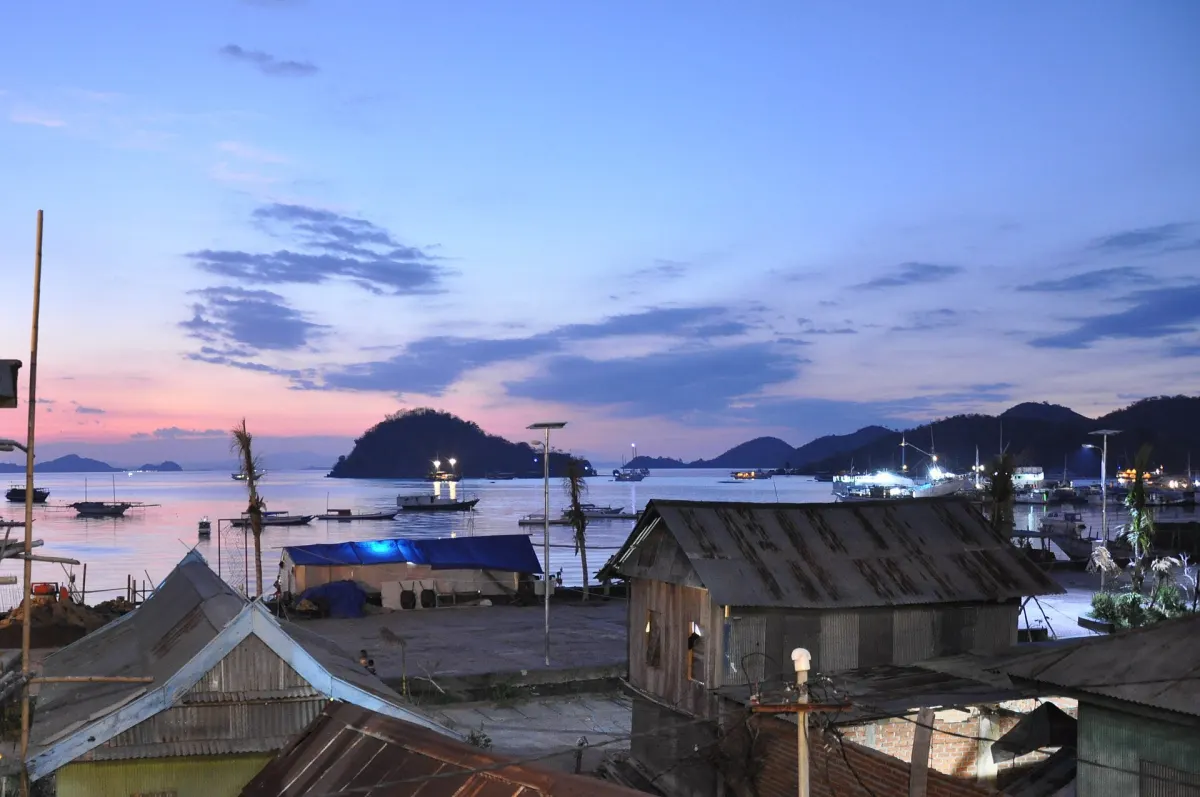
Labuan Bajo — Research and civil-society reporting on Komodo National Park describe a marine zoning system that gives local communities access to a 17,308-hectare traditional use zone, while also allowing fishing in a separate 59,601-hectare pelagic zone under specified rules. Published accounts also indicate that tourism, conservation and traditional-use designations can overlap in practice.
The issue matters because the park’s zoning is not just a line on a map: it governs where fishers can operate, what methods are permitted and which parts of the park are reserved for tourism or strict conservation. A peer-reviewed study in Sodality: Jurnal Sosiologi Pedesaan found that shifts in conservation management created new actors and new forms of power over access to park space, with local people remaining vulnerable to exclusion.
What the published zoning accounts show
According to a 2021 report by WALHI and Sunspirit for Justice and Peace, the park’s traditional nautical use area covers 17,308 hectares and was renamed the Local Community Traditional Zone in 2020. The same report says the pelagic use zone covers 59,601 hectares and can also be used for tourism activities.
The report says access changes in the park have narrowed fishing grounds for indigenous communities and tied those changes to revisions of the zoning system. It cites a 2012 ministerial decision that converted parts of Padar and Tatawa into tourism-oriented zones and says some fishers reported intimidation after entering areas they were not permitted to use.
The Sodality study frames the dispute more broadly as a contest over spatial access. It says the park’s conservation regime moved from an ecological model toward a market-based model, and that juridical power in the earlier period and legal and market power in the later period shaped who could use park space.
Why a public map matters
A public-facing map should show how marine zones relate to one another and identify the legal basis and effective date of each designation. That is especially important in a park where one zone may allow traditional fishing, another may permit tourism, and others may be closed to extraction altogether.
The published accounts also show why clarity matters for boat operators and local residents. The WALHI and Sunspirit report says the traditional nautical zone is intended to accommodate indigenous livelihoods and that fishing is allowed there with eco-friendly technology, while the pelagic zone is open more broadly to sea-product exploitation and tourism.
Komodo National Park’s zoning system has been described in earlier official and institutional materials as including core, wilderness, tourism use, traditional use, pelagic use, research and training, and traditional settlement zones. Those descriptions reinforce the need for a map that is readable to the public and tied to current rules, not just historic zoning labels.
For residents, fishers and visitors, the practical question is not whether zoning exists, but whether the boundaries and rules are visible enough to be followed and enforced consistently. The available reporting shows that the park’s marine space is shared among different uses, and that the politics of access remain central to how the park is managed.
Sources
Read next
More on this story
Data
Labuan Bajo reported six suspected tourist-fraud cases in 2026
Floresa reported six suspected tourist-package fraud cases in Labuan Bajo in 2026, up from two in 2025, with reported losses exceeding Rp100 million a…
Most read in Komodo National Park
Related