
Komodo Visitor Regulations Ban Fires and Smoking in Dry Dragon Habitat
Visitor regulations for Komodo National Park state that lighting fires and smoking are prohibited in the dragons’ hot, dry habitat, as Indonesian forecasters warn of expanding drought and increased forest and land fire risk across much of…
Editor: Mursyid Sonsang
· Event date: · 4 min read
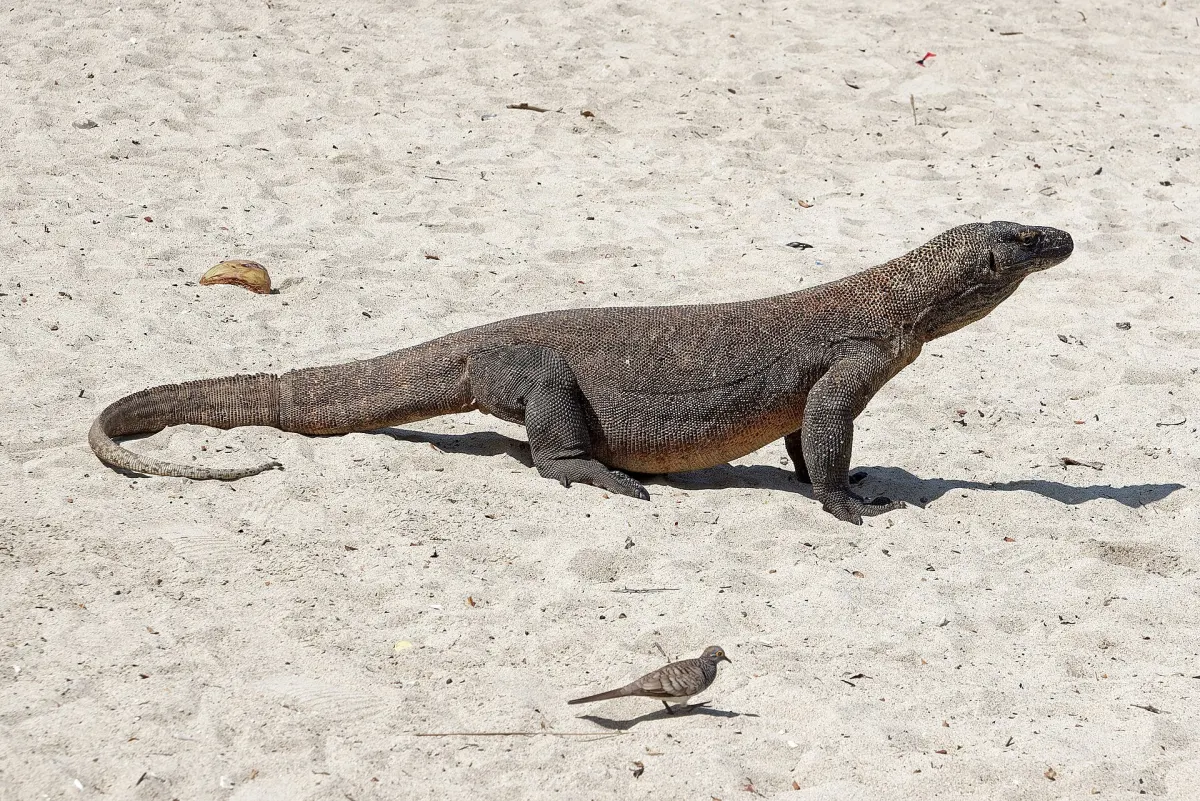
Labuan Bajo — Visitors to Komodo National Park are prohibited from lighting fires or smoking in the dragon habitat, under guidance that warns the area is very hot, dry and barren and that even a small spark can cause fires to spread rapidly.
The regulation document circulated by park tour operators and liveaboard companies states that fires and smoking are prohibited in the Komodo dragon habitat to preserve the delicate environment. It describes the dragons’ habitat as “very hot, dry and barren” and links those conditions to the risk that a small spark could trigger fast-moving fires.
The rule focuses on two common ignition sources: open flames and smoking materials. The document explains that, because of the dry habitat, lighting fires and smoking are prohibited in these areas, but it does not detail penalties, designated smoking zones or specific enforcement procedures.
Why the rule matters in dry conditions
The no-fire and no-smoking provision is framed as a basic safety and conservation measure in a landscape where dry vegetation could allow flames to spread quickly. In practical terms, discarded cigarettes, matches or other sparks could ignite grassland and scrub, although the regulation does not list particular plant species or quantify fire spread.
Additional guidance for visitors requires that trekking groups be accompanied by certified park rangers and remain on designated trails. These instructions are presented alongside the fire and smoking prohibition as part of a broader effort to control visitor movement and protect people, Komodo dragons and the wider ecosystem.
Indonesia’s national weather service has warned that dry-season conditions are increasing the risk of forest and land fires in several regions, even as local rain remains possible. In its forecast for 25–31 August 2026, BMKG reported that drought and heightened fire risk were spreading across much of the country, driven in part by a strong El Niño and a positive Indian Ocean Dipole.
BMKG noted that, while some areas could see light to heavy rain, dry and hot conditions would still dominate and could support fire outbreaks, especially where vegetation is already parched.
What visitors should do
Visitors are instructed not to light fires or smoke in Komodo dragon habitat and other natural areas covered by the regulations. Travel guidance for the park advises tourists to follow licensed rangers, stay on marked trails and obey instructions during treks on Komodo and Rinca islands. Several independent travel and conservation guides echo this, stating that smoking on trails and beaches is not allowed and that fires are prohibited on all islands in the park, especially during the dry season when fire risk is extreme.
The regulations and travel advisories also tell visitors not to bring food into trekking areas or feed Komodo dragons. Guides explain that the animals have a strong sense of smell and that food can attract them or change their natural hunting behavior, making encounters more dangerous. Water and other odourless supplies are identified as appropriate items to carry.
Visitors are further asked to leave the islands without taking natural items such as sand, coral, plants or animals. One park information site notes that taking anything from the park without written permission from the head of the park is illegal and can result in sanctions up to imprisonment, reflecting national conservation law.
Independent operators and park information sites consistently describe the no-fire and no-smoking rule as a firm restriction in natural areas, intended to protect fragile, seasonally dry habitats and the tourism assets they support. Some guidance notes that designated smoking areas may exist on boats rather than on trails or savanna habitat, placing the emphasis on keeping ignition sources away from dry island vegetation.
Context
The fire and smoking ban appears in a visitor regulations document titled “Komodo National Park Regulations,” distributed by liveaboard operators and park-focused travel businesses. The document situates the prohibition within a broader code that covers ranger accompaniment, trail use, safe distances from dragons, restrictions on feeding wildlife, waste management and limits on drones and certain diving equipment.
BMKG’s late-August 2026 outlook described a national dry-season pattern in which expanded drought and reduced rainfall were increasing vulnerability to forest and land fires. At the same time, the agency underlined that localized rain could still occur in parts of Indonesia, meaning that warnings about dry-season fire risk do not imply that every area will be uniformly dry or that brief rainfall will eliminate ignition hazards.
Sources
- Komodo National Park Regulations - Master Liveaboards
- Prakiraan Cuaca Indonesia Sepekan Periode 25–31 Agustus 2026: Kemarau dan Risiko Karhutla Meningkat, Namun Potensi Hujan Lokal Masih Ada
- Ethical Travel Tips for Komodo - Komodo Guide
- Complete Guide to Komodo National Park - Komodo Luxury
- BMKG: Kemarau Dominan, tapi Hujan Lebat Masih Mengintai hingga 31 Agustus
- Komodo National Park Regulations
Next story
Komodo tourism reopens after Flores quake amid fragmented safety updates
Key tourism sites in and around Komodo National Park have reopened following the 15 August Flores earthquake, but visitors still must piece together s…
Related