

Komodo National Park Enforces 1,000-Visitor Daily Quota
Komodo National Park is now enforcing a park-wide quota of about 1,000 tourist entries per day, released in timed sessions via the SiOra reservation system, as authorities move to keep visitation within ecological limits after more than…
Editor: Mursyid Sonsang
· 4 min read
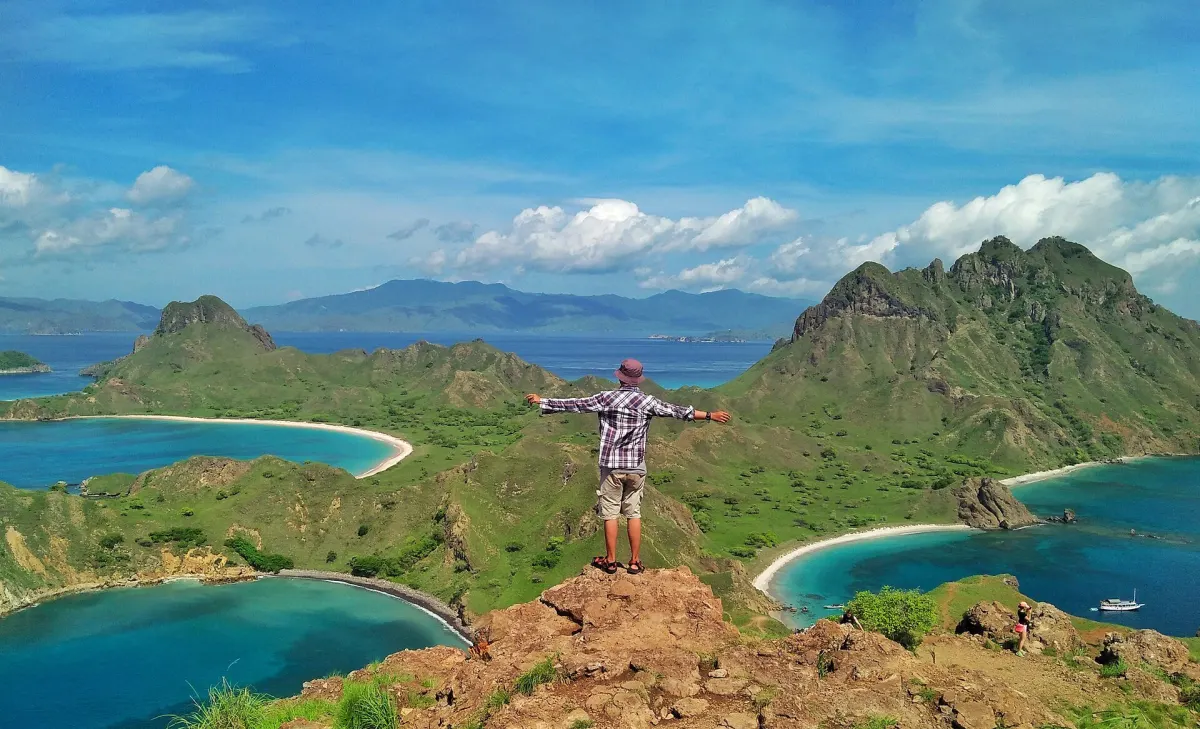
Labuan Bajo — Komodo National Park has begun enforcing a cap of about 1,000 tourist entries per day from 1 April 2026, with visitors required to book timed slots through the SiOra online reservation system, according to Balai Taman Nasional Komodo (BTNK) and the Indonesian Environment and Forestry Ministry.
BTNK officials and the ministry describe the measure as an ecological management tool designed to keep tourism within the park’s carrying capacity, rather than simply a restriction on travel demand.
The quota is set at 365,000 visits per year, allocated on average as roughly 1,000 visitors per day, with unused quota during low season redistributed to peak periods, according to BTNK head Hendrikus Rani Siga as quoted by Indonesian media.
BTNK and ministry statements say the cap is grounded in a 2018 study of Komodo National Park’s carrying capacity and visitor capacity, which assessed both terrestrial sites such as Komodo, Rinca and Padar islands and 23 marine dive spots.
Officials have linked the policy to concerns about overtourism, citing a total of 429,509 tourist visits to the park in 2025 and warning that intense, short-term spikes in traffic can stress ecosystems and facilities.
Park-wide quota and timed sessions
Under the system in place since April 2026, reservations for Komodo National Park must be made through SiOra before entering the park.
BTNK and the ministry have outlined three main visiting windows per day under the quota framework, roughly set at 05:00–08:00, 08:00–11:00 and 15:00–18:00 WITA, with each session releasing around 300–330 visitor slots.
Indonesian coverage and guidance material emphasise that this is a park-wide quota, applied across quota-managed destinations including Komodo Island, Rinca Island, southern Padar Island and designated dive sites, not a 1,000-person allowance for each individual island.
BTNK officials have stated that the quota regime is being socialised with tourism operators and associations in Labuan Bajo, and that compliance with SiOra-based reservations is mandatory for operators and individual travelers.
According to statements cited by national media, cruise ships anchoring within the park’s waters are also expected to comply with the reservation and quota rules, although BTNK has indicated that allocations for cruise passengers may be managed separately from regular land-based tourism.
Padar Island as a pressure point
Padar Island remains a focal point of visitor pressure.
BTNK data presented during socialisation meetings show that southern Padar has drawn concentrated surges of tourists, particularly during high season, prompting calls from local guides and stakeholders for stricter management of time slots at the site.
The national quota framework releases daily visitor capacity in three sessions across the park, with Padar receiving a share of that total rather than its own separate 1,000-person allowance.
Site-specific ceilings on Padar and other popular locations are set below the park-wide cap but have not been fully detailed in public summaries, with officials instead stressing that the overall aim is to distribute visits more evenly across locations and times of day.
Balancing conservation and tourism
BTNK officials say the quota decision is a response to mounting ecological and management pressures.
In land areas, they have warned that increasing human presence around Komodo dragons can alter the animals’ vigilance and behaviour, while in marine zones they point to degrading coral health as a sign of strain.
Hendrikus Rani Siga has framed the policy as a choice to safeguard natural resources and long-term tourism value, arguing that limiting daily entries is necessary to preserve the park’s ecosystems while still allowing a significant volume of visitors over the year.
BTNK has said it will monitor ecological, economic, social and operational impacts during implementation, with further adjustments to the quota and time-slot system possible based on ongoing evaluations.
Sources
- Liputan6 regional report on BTNK reasons for limiting Komodo visits
- DetikTravel coverage of BTNK socialisation and quota details
- IDN Times NTB explainer on SiOra registration after quota introduction
- VIVA business report on Komodo tourism quota and 2025 visits
- Bajo Port briefing on Komodo Park permits, quota and SiOra
Next story
INS Named Suspect in Komodo Deer-Poaching Case
Forestry law enforcement authorities named INS, 33, as a suspect in the alleged poaching of Timor deer in Komodo National Park after a nine-month manh…