

Solar power helps Papagarang fishers store catches with ice
Solar electricity on Papagarang Island is helping fishers store catches with freezers and locally produced ice, reducing reliance on supplies transported from Labuan Bajo and limiting the need to dry fish.
· 2 min read
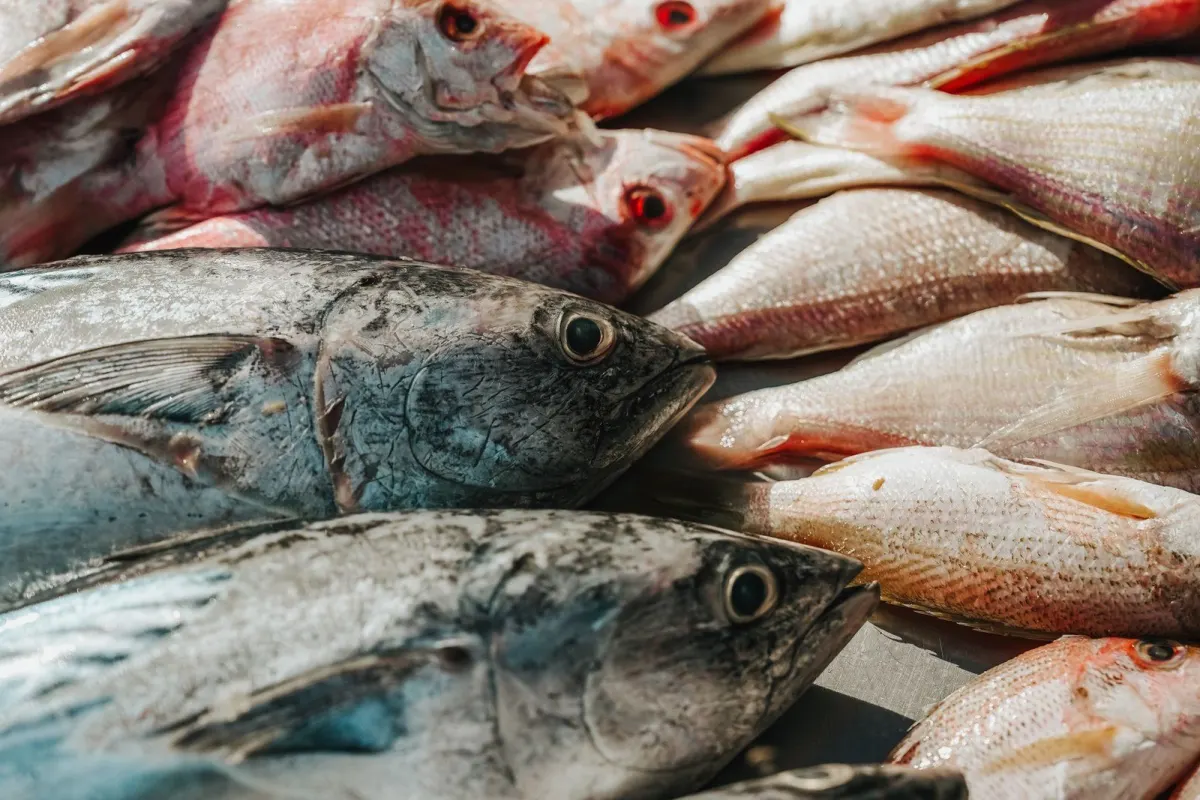
Papagarang Island — Solar-generated electricity has enabled fishers on Papagarang Island to use freezers and obtain ice locally instead of routinely bringing ice from Labuan Bajo, according to reports published on November 12, 2026.
Why it matters: Papagarang fishers can use locally available ice and freezers to keep catches fresh, reducing trips to Labuan Bajo and the need to dry fish.
The electricity is supplied by a solar power plant operated within the work area of state electricity company PLN’s Ende power service unit. Residents now produce ice and some fish businesses use freezers to keep catches fresh before they are sold outside the island.
Lower storage costs
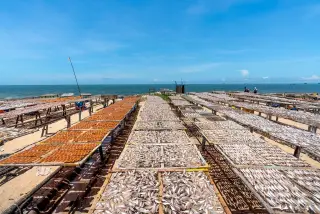
Before the change, fishers who lacked ice had to dry their catch, which reduced its sale value compared with fresh fish. When ice was available from Labuan Bajo, they could generally preserve fish for two to three days.
Transporting ice from Labuan Bajo also required additional spending on transport, food and other needs. One local account put those extra costs at up to 500,000 Indonesian rupiah.
Ice sold on Papagarang costs about 2,000 to 2,500 rupiah per block, according to Pos Kupang. A local fish trader, Abdul Mutalib, said he can now receive between 30 and 50 kilograms of fish a day, depending on catches and the number of fishers at sea.
Electricity reaches hundreds of customers
Tribun Flores reported that the plant has a capacity of 420 kilowatts-peak and has supplied electricity to 381 customers since 2019. The electricity also supports household activity, education and other parts of the local economy.
The reports differ on the plant’s precise capacity: an earlier technical site-visit report recorded 380 kilowatts-peak serving 392 houses. That report said the plant was designed with battery storage and a grid serving Papagarang.
The immediate effect for fishers is improved access to cold storage and ice, reducing the need to dry catches or travel to Labuan Bajo for basic preservation supplies. The installation does not represent a reported new visitor rule, fee or closure in Komodo National Park.
Sources
Read next
More on this story

Labuan Bajo
Lembunai Cup II ends with 29 teams in Labuan Bajo
Lembunai Cup II ended in Labuan Bajo on 8 November after two weeks of competition involving 29 junior- and senior-secondary school teams. Organisers p…
Latest in Komodo National Park
Related