
Jusuf Kalla urges community‑based rebuilding after Flores earthquake
During a visit to earthquake evacuation posts in Maumere, Jusuf Kalla urged authorities to move quickly from emergency relief to community‑based reconstruction, with the state supplying materials while local residents help rebuild homes…
Editor: Mursyid Sonsang
· Event date: · 4 min read
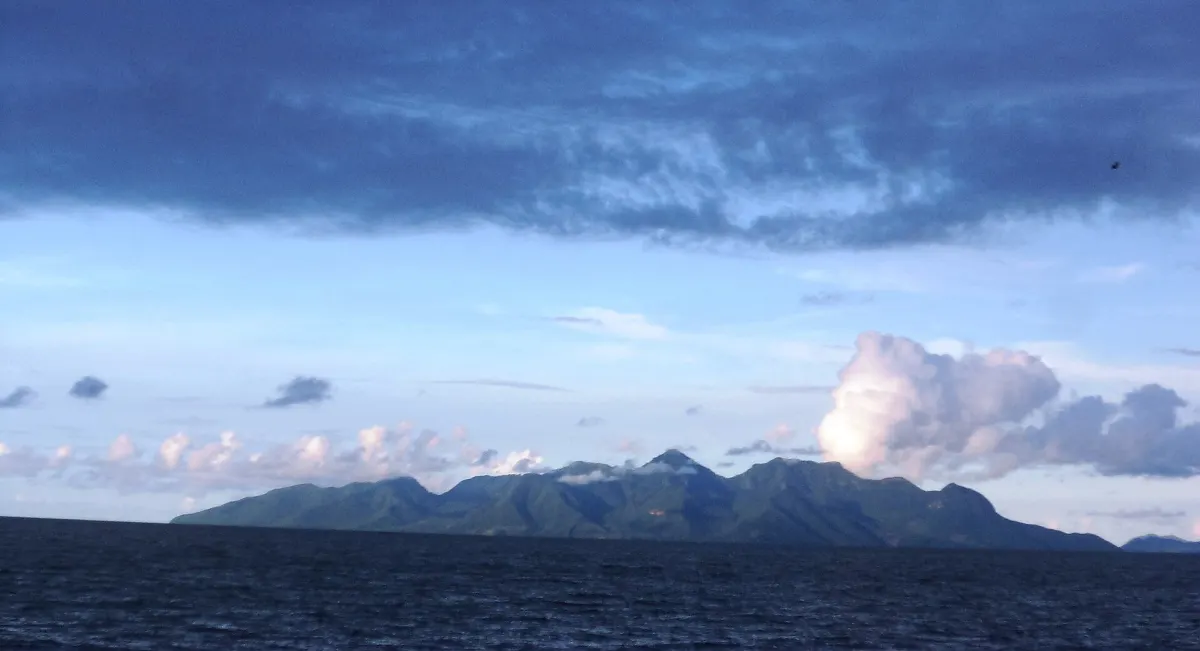
Maumere — Jusuf Kalla has urged authorities to involve residents affected by the Flores earthquake in rebuilding damaged homes and public facilities, proposing that the government supply construction materials while local communities help carry out the work and earn income during the recovery period, according to a televised statement and local media reports.
During a visit to evacuation posts in Maumere, Kalla, who chairs the Indonesian Red Cross (Palang Merah Indonesia, PMI), called for the focus of post‑disaster management in Nusa Tenggara Timur (NTT) to shift from emergency relief toward rehabilitation and reconstruction of housing and basic infrastructure, according to a report by TVRI and coverage by a regional news outlet.
Kalla visited the earthquake evacuation post at Gelora Samador in Maumere on Friday, 28 August 2026, accompanied by provincial officials and PMI representatives. In his remarks, he stressed that rehabilitation and reconstruction should proceed quickly once urgent needs such as shelter, food, health services and clean water are met.
From emergency response to rebuilding
The 15 August 2026 earthquake off Flores, measured at magnitude 7.7 by national and international monitoring agencies, caused significant damage across several districts, including Sikka and Maumere, and triggered thousands of aftershocks in the following weeks. National and regional media, citing the Meteorology, Climatology and Geophysics Agency (BMKG) and the National Disaster Management Agency (BNPB), reported dozens of deaths, hundreds of injuries and extensive structural damage in coastal and inland communities.
According to TVRI’s report on Kalla’s visit, he urged that the next phase of the response in NTT prioritise rebuilding residents’ homes so that people can leave evacuation centres as soon as feasible. He argued that reconstruction planning should begin while the emergency phase is still under way, so affected communities are not left waiting for clarity on housing and livelihood recovery.
Kalla also highlighted budget and time pressures for large‑scale reconstruction and suggested expanding the use of gotong royong, or collective community work, to manage these constraints. In his proposal, the government would provide key materials such as roofing and cement, while residents help build or repair their own houses and shared facilities.
Community participation and livelihoods
TVRI quoted Kalla as saying that evacuees should be involved actively in rebuilding rather than remaining passive recipients of aid. He drew a parallel with post‑earthquake reconstruction in Yogyakarta, where authorities previously supported community‑based rebuilding by supplying materials and relying on local labour.
Regional media covering the Maumere visit reported a similar message: Kalla encouraged a spirit of mutual assistance while emphasising that affected residents should receive money for work carried out during reconstruction. This approach would link physical recovery of housing and public facilities to income opportunities for people who lost livelihoods because of the disaster.
Neither TVRI nor the local reports specify how such payments would be organised, which government agencies would oversee recruitment of workers or how eligibility would be defined. They also do not describe detailed mechanisms for consulting communities on design and land use, or for monitoring the distribution of materials and contracts.
Governance and accountability issues
The type of community‑based reconstruction model Kalla described would require clear governance arrangements. Authorities would need to explain how damage assessments feed into rebuilding priorities, how residents are informed about project timelines and standards, and how public oversight of materials, budgets and contracts will be ensured.
National coverage of the Flores earthquake notes that central and regional governments, BMKG and other agencies are collaborating to support recovery and to map seismic risk for future planning. However, publicly available reports from BMKG and BNPB focus mainly on seismic parameters, casualty figures and broad descriptions of damage, rather than detailed reconstruction plans at neighbourhood level.
As aftershocks continue to be recorded across Flores, BMKG has urged the public to avoid damaged buildings and to remain alert to further seismic activity. In this context, Kalla’s call for rapid yet participatory rebuilding underscores the need to balance speed of construction with safety standards and meaningful involvement of affected communities in decisions about where and how they will live.
Sources
Next story
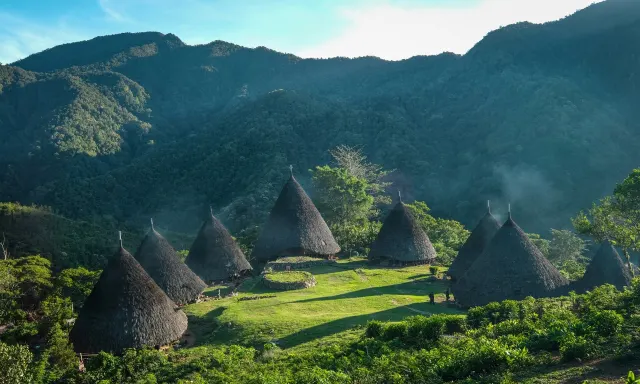
Wae Rebo to Close 2–3 October for Customary Family Ceremony
Tourist visits to Wae Rebo in Manggarai, East Nusa Tenggara, will be suspended on 2–3 October 2026 for a customary family ceremony, according to local…
Related