
Alor–Komodo 2026 Packages Link Separate Liveaboards via Kupang
An Alor-based dive operator is promoting a 2026 trip concept that pairs an Alor liveaboard with a separate Komodo itinerary linked via Kupang and Labuan Bajo, with Komodo prices advertised from about USD 300 per person.
Editor: Mursyid Sonsang
· Event date: · 6 min read
Labuan Bajo — — An Alor-based dive operator is promoting a 2026 trip concept that combines an Alor liveaboard with a separate Komodo leg, linked by flights via Kupang, with advertised Komodo liveaboard prices starting around USD 300 per person for short open trips. The itinerary is described as a way to pair two destinations in one holiday, but current material presents it as a linked journey using separate boats rather than a continuous liveaboard route between Alor and Komodo.
Alor Liveaboard Diving’s 25 August 2026 route and pricing page states that divers can “pair an Alor liveaboard with a Komodo leg in a single trip” by disembarking in Alor, flying from Mali Airport near Kalabahi to Kupang, and then connecting to Labuan Bajo, sometimes via Bali, before boarding a Komodo vessel departing from Labuan Bajo. The operator describes this pattern as a practical way to reach Komodo after an Alor cruise, but it does not claim that one vessel sails directly between the two regions.
Linked itinerary, not a through-sailing route
The Alor–Komodo combination is framed as a multi-leg journey rather than one continuous liveaboard. Alor Liveaboard Diving outlines a “safe pattern” in which guests leave the Alor boat in the morning, fly Alor–Kupang, continue to Labuan Bajo the same day or the next, and then spend one buffer night in Labuan Bajo before joining their Komodo vessel. This buffer is recommended because regional flights may not operate daily and schedules can change.
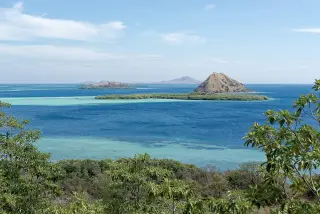
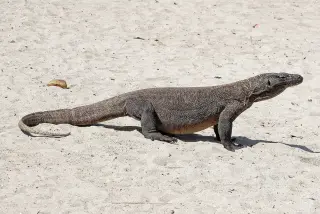
Samambaia Liveaboard describes Alor and the Pantar Strait as a remote diving area characterised by strong currents, upwellings, muck sites and seasonal whale and dolphin activity, with limited tourism infrastructure across the wider Alor and Solor island group. By contrast, Komodo National Park is widely known for manta cleaning stations, current-affected pinnacles, coral reefs and island trekking with opportunities to see Komodo dragons, according to regional park overviews and conservation organisations.
Available material confirms that both Alor and Komodo are reachable by combinations of domestic flights and boat transfers, with Labuan Bajo serving as the main embarkation point for Komodo trips. However, independently sourced information does not show any operator offering a single liveaboard that routinely sails directly from Alor to Komodo as part of a published 2026 schedule.
Advertised Komodo prices and park fees
The Alor Liveaboard Diving route page lists Komodo trip options ranging from budget “open-trip” sailings to private yacht charters, with verified 2026 pricing in US dollars. Its pricing table cites:
- Short open-trip sailings of about three days and two nights starting around USD 300 per person, with some weekday departures advertised from about USD 220.
- Named vessels with shared-cabin rates generally in the USD 400–850 range and whole-boat charters from roughly USD 5,500 to over USD 30,000, depending on vessel size and luxury level.
The same page refers to a Komodo National Park fee of around USD 40 per person as an indicative once-per-trip charge, advising travellers to confirm whether it is included in their liveaboard fare and how it is collected. Independent park and conservation sources report entrance fees for foreign visitors in the equivalent range of approximately USD 15–30 per day, plus separate charges for ranger escorts, boat services and diving permits, suggesting that total costs vary by itinerary and visitor category.
Seasonal logic of a September trip
Alor Liveaboard Diving presents September as a favourable month to combine the two destinations, noting that Komodo’s dry-season peak broadly spans the June–September period while Alor’s stronger conditions are often reported from about September to November. This sequencing mirrors regional descriptions of late-dry-season clarity and relatively calm seas around Komodo, followed by productive waters and pelagic activity in Alor and the Pantar Strait.
These seasonal patterns support the idea of planning an Alor–Komodo holiday around September. However, neither the Alor Liveaboard Diving page nor independent sources examined provide a named September 2026 departure date, cabin inventory or cancellation terms for a specific combined product. Weather, sea-state and visibility data for the period remain general, rather than drawn from detailed Indonesian meteorological bulletins for particular weeks.
What travellers should verify
The Alor–Komodo concept depends on coordination between at least three elements: the Alor liveaboard, regional flights via Kupang, and a Komodo boat departing from Labuan Bajo. Before booking, travellers are advised by the operator to reconfirm the Alor disembarkation timing, the exact flight routing between Alor, Kupang and Labuan Bajo, and the need for a buffer night in Labuan Bajo before boarding the Komodo vessel.
Independent park and travel references emphasise that boats serving Komodo range from simple day-trip craft to full liveaboards and luxury yachts with varying standards of safety equipment, dive support and accommodation. Prospective guests should therefore request the vessel name, cabin type, passenger capacity, safety gear, dive guide qualifications, insurance cover, inclusions and refund conditions directly from their chosen operator, and treat advertising about amenities such as rooftop decks, satellite internet or jacuzzi suites as marketing claims until reflected in a contract or official vessel documentation.
Historical and conservation context
Komodo National Park sits between Sumbawa and Flores in East Nusa Tenggara and is managed by the Indonesian central government through the Ministry of Forestry’s conservation directorate. UNESCO sources and World Heritage data sheets confirm that the wider Komodo area was accepted as a biosphere reserve under the Man and the Biosphere Programme in January 1977 and that Komodo National Park was inscribed on the World Heritage List in 1991 as site 609, recognised for both its natural beauty and biodiversity.
Alor, meanwhile, remains a relatively low-volume tourism destination, with liveaboard operators highlighting volcanic landscapes, strong tidal flows, coral and rocky reefs, muck-diving bays and seasonal whale migrations through the Pantar Strait. For divers and travellers, the contrasted profiles of Alor and Komodo underpin the appeal of combining the two regions within one holiday, even though current evidence supports treating the Alor expedition and Komodo liveaboard as separately booked products connected by domestic flights rather than a single, fully integrated route.
Sources
- Alor Liveaboard Diving – Alor to Komodo Liveaboard: Route & Prices 2026
- Liveaboard Bali – Alor Liveaboard — Muck, Walls & Whale Migrations
- Komodo Guide – Explore Komodo National Park: Islands & Ecosystems
- Taman Nasional Komodo: dragons, islands and reefs near Labuan Bajo
- UNESCO – Komodo Biosphere Reserve (MAB)
- World Heritage Datasheet – Komodo National Park (Site 609)
- Samambaia Liveaboard
Next story

Trans-Flores Ende–Nagekeo link reopens after earthquake-triggered landslide
Indonesia’s disaster agency and public works ministry say the key Ende–Nagekeo segment of the Trans-Flores road is open again after a major landslide…
Related