
Rinca’s Shorter Trails Offer Easier Dragon Viewing for Many Visitors
Rinca Island’s standard dragon routes near Loh Buaya are typically shorter and flatter than Komodo Island’s longer, more varied treks, making Rinca the more manageable option for many families, older travellers and visitors with moderate…
Editor: Mursyid Sonsang
· Event date: · 5 min read
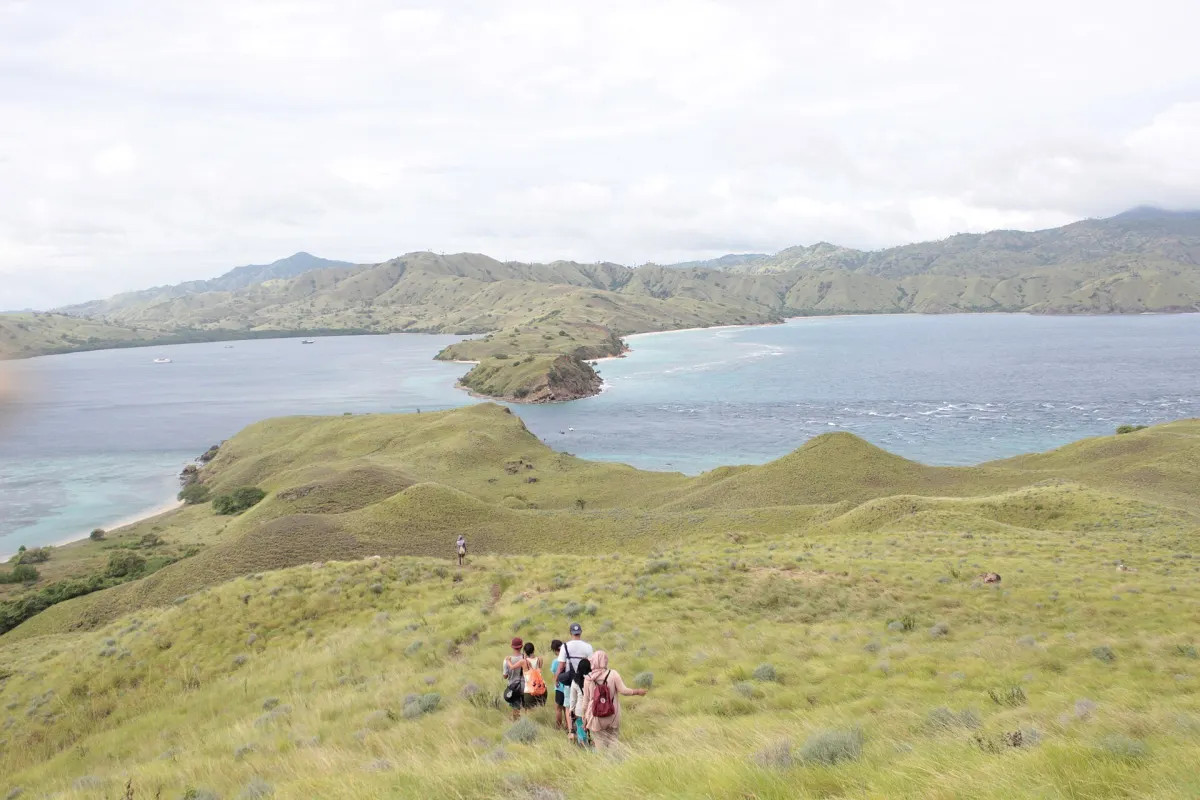
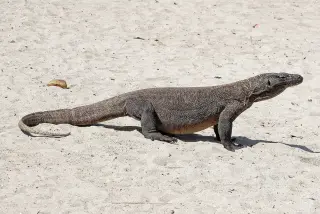
Labuan Bajo — Rinca Island’s standard dragon treks near Loh Buaya are generally shorter and flatter than the longer, more varied routes on Komodo Island, making Rinca the more manageable option for many families, older travellers and visitors with moderate mobility limits, according to multiple travel and trail guides.
These differences do not make Komodo National Park fully accessible in the conventional sense. Suitability depends on the island chosen, trek length, boat layout and a traveller’s ability to manage uneven ground, stairs and transfers between vessels.
Rinca’s gentler routes and basic facilities
A comparative guide to the three main islands notes that Rinca is “generally considered the easier” dragon-trekking destination, with flatter savanna terrain and a standard ranger route of roughly 60–90 minutes at an easy pace. An accessibility-focused overview adds that Rinca’s dragon trek is rated low to moderate in physical demand, with “shorter, flatter routes available” and describes it as “generally the easiest trekking option” in the park.
Independent trail information for Rinca explains that three main trekking routes depart from Loh Buaya: a short loop of about 1.5–2 km taking 45–60 minutes, a medium loop of around 3 km in 1.5–2 hours, and a longer option of roughly 5 km needing 2.5–3.5 hours of walking. All routes require a ranger guide and involve heat exposure, so visitors are advised to carry adequate water.
A facilities guide for Loh Buaya describes a small ranger office, basic restroom facilities and shaded waiting areas near the jetty, but emphasises that there is no reliable public drinking-water refill point and no restaurant or shop whose stock can be depended on. Visitors are advised to bring sealed bottled water — at least 1–1.5 litres per person for a short-to-medium trek, more for longer walks or hotter months — along with food, sun protection, tissue and hand sanitiser.
The same guide stresses that shaded seating is concentrated around the station and jetty, while the savanna trekking routes are largely exposed to full sun with minimal shade. Visitors are expected to carry out their own rubbish and take it back to the boat.
Komodo Island and Padar: steeper, longer options
The comparison between islands notes that Komodo Island’s Loh Liang trails include longer route options that can extend towards two hours and cover more varied terrain, including sections with incline, making the dragon trek there a moderate-to-high physical demand activity. Several family-oriented guides describe Komodo’s routes as slightly longer and more rugged than Rinca’s, better suited to visitors — including children — who are comfortable with extended walking in heat and uneven ground.
Padar Island presents a different type of effort. The main viewpoint is reached by a steep stair-assisted hike of several hundred steps, gaining around 200 metres of elevation over roughly 1.5 km, with little shade on the route. An accessibility advisory characterises the Padar trail as a “genuine incline” with stairs and uneven dirt sections, not adapted for wheelchairs or visitors with significant mobility limitations.
Guides aimed at family and senior travellers therefore recommend treating Padar as optional for those with low mobility, while noting that many older visitors who are comfortable with sustained climbs and stairs still choose the hike if they pace themselves and avoid the hottest hours of the day.
Boat logistics and planning for different abilities
Accessibility in Komodo National Park is also shaped by boat design and daily logistics. One Labuan Bajo-based guide notes that most boats used for park trips have stairs between decks and no elevator, and that moving into snorkelling equipment or stepping onto a smaller tender for shore transfer requires some balance, even when the activity itself is not strenuous.
The same guide advises travellers to discuss specific mobility limitations with operators before booking, including the number of stairs on board, availability of shade and toilets, how shore transfers are assisted, and whether itineraries allow activities to be shortened or skipped if conditions prove difficult. For older travellers without mobility concerns, it suggests that a slower itinerary — for example prioritising Rinca for dragon viewing, treating Padar as optional and allowing rest between activities — can be more comfortable than a rushed day trip.
Carry essentials across park stops
Across Rinca, Komodo Island and Padar, infrastructure remains basic. Guides emphasise that Loh Buaya should be treated as a bring-your-own visit for food, water and sun protection, and recommend similar preparation for other stops where trails and beaches have limited shade and services. Beach and snorkelling activities may be less demanding than trekking, but currents, tides and transfers between boats and shore still need to be assessed on the day.
Park-focused advisories note that trails on Rinca, Komodo Island and Padar generally remain open year-round under normal conditions, but specific routes can be closed temporarily by authorities after heavy rain or unsafe conditions. Travellers are encouraged to confirm current rules on ranger requirements, trail status and daily access with their operator or relevant authorities before departure.
Sources
Next story
Komodo Visitor Regulations Ban Fires and Smoking in Dry Dragon Habitat
Visitor regulations for Komodo National Park state that lighting fires and smoking are prohibited in the dragons’ hot, dry habitat, as Indonesian fore…
Related