
Komodo visits: rangers, marked trails and safe distances
Visitor guidance for Komodo National Park emphasises trekking only with licensed rangers, staying on marked trails and keeping several metres away from Komodo dragons.
Editor: Mursyid Sonsang
· Event date: · 5 min read
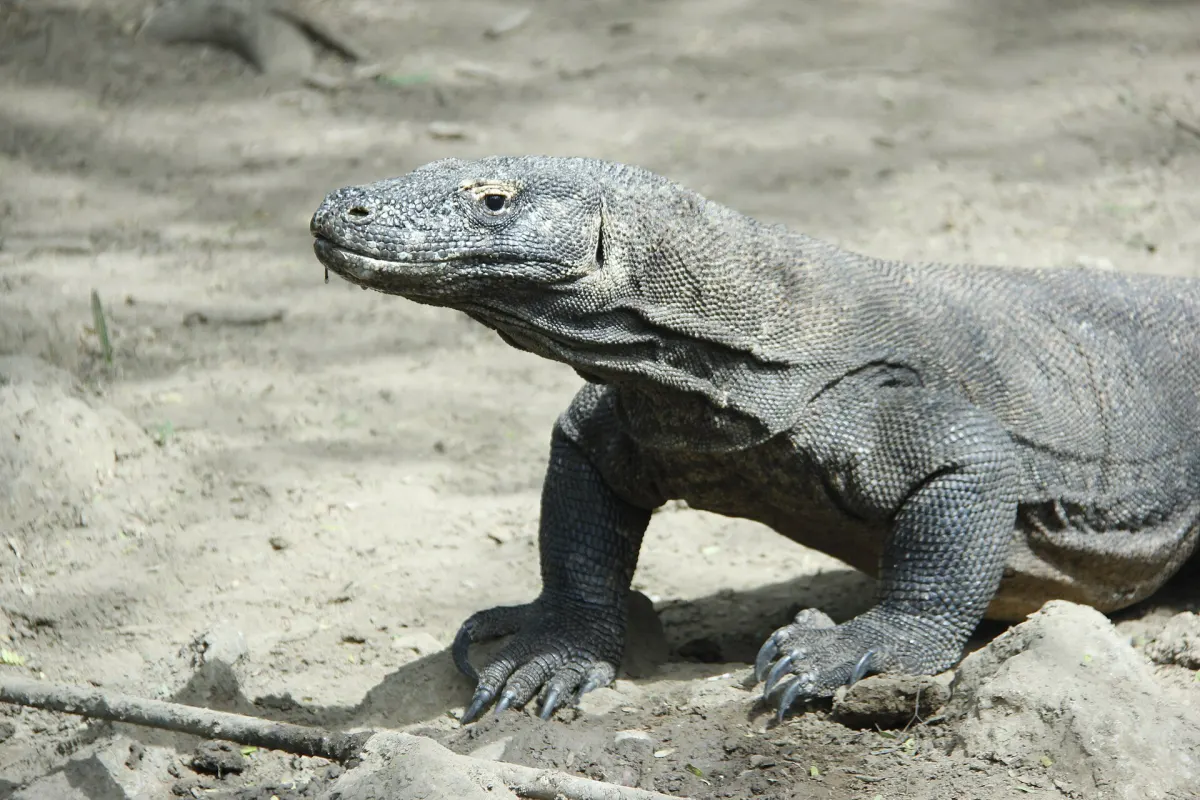
Labuan Bajo — — Visitors trekking in Komodo National Park are required to stay with a licensed ranger, remain on marked trails and keep several metres away from Komodo dragons, according to multiple operator and guidance materials based on park rules.
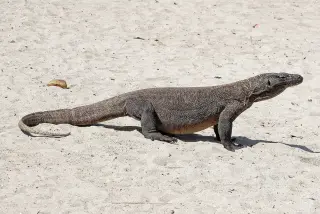
The guidance applies to all walking routes on the main trekking islands, including Komodo and Rinca. Several sources describe Komodo dragons as dangerous wild animals and state that independent walking beyond the immediate ranger station area is prohibited.
Visitor rules compiled by Komodo Guide specify that a certified park ranger must accompany all trekking groups, with no exceptions, and that off-trail hiking is prohibited. The same material notes that maximum group size per ranger is limited depending on the zone, and that a minimum distance of 5 metres from Komodo dragons should be maintained at all times.
Staying with the ranger and the group
Master Liveaboards’ regulations tell visitors to follow their designated guide or ranger continuously because Komodo dragons are dangerous wild animals, and say it is forbidden to walk around alone or go off the designated trails. Guidance for specific ranger stations on Komodo and Rinca similarly states that independent walking in the park is prohibited by Indonesian law and that every trekking group must be accompanied by a Balai Taman Nasional Komodo (BTNK) ranger at all times.
These materials emphasise that visitors must stay on designated paths and within their ranger’s group, warning that straying into dense vegetation or lagging behind substantially increases risk. They also advise visitors not to crouch, sit on the ground, or make sudden movements near dragons, because low posture and rapid movement can trigger predatory or chase responses.
Safe distances and behaviour around dragons
Distance recommendations vary slightly between sources, but all require visitors to stay several metres away from Komodo dragons.
- Komodo Guide’s zoning and regulations call for a minimum 5-metre distance from dragons at all times.
- Master Liveaboards advises maintaining approximately 3–5 metres from a dragon to protect against sudden attacks.
- Other operator guidance commonly refers to a 3–5 metre distance as standard visitor practice.
Several sources explain that visitors should remain calm and alert when a dragon is nearby, avoid panicky or rapid movements, and never approach an animal from behind. If a dragon approaches, one guide advises backing away slowly rather than running, because rapid movement can provoke a chase.
All the reviewed materials prohibit feeding, touching or provoking Komodo dragons. They describe actions such as swinging objects in front of a dragon, making sudden loud noises or using flash photography as behaviour that can disturb or agitate the animals.
Food, smoking and removal of natural materials
Several visitor guides instruct people not to carry food on trails or open food containers in dragon habitat, explaining that Komodo dragons track scent over long distances and that food smells can significantly alter their behaviour around human groups.
Smoking and open fires are generally discouraged or prohibited in these materials, which describe the habitat as hot, dry and vulnerable to fires that can spread rapidly. Visitors are also told not to remove rocks, plants, shells or other natural materials from the park, underlining that collecting such items is prohibited and can result in prosecution under Indonesian law.
Photography and drones
Photography rules focus on keeping distance and avoiding disturbance. Operator guidelines call for staying at least several metres away from dragons, not using flash, and avoiding sudden movements or low postures while taking pictures. Some materials recommend using telephoto lenses so visitors can capture images without approaching too closely.
Drone use inside Komodo National Park is treated as a separate, tightly regulated activity. Multiple guidance documents state that any drone operation within park boundaries requires a special SIMAKSI permit issued by BTNK in coordination with the Ministry of Environment and Forestry, and may also need aviation approval depending on the airspace.
They describe permanent no-fly zones over core dragon habitats such as Loh Liang and Loh Buaya, near ranger stations, and above certain marine protected areas and bat colonies, citing wildlife disturbance and safety concerns.
These drone rules include minimum horizontal and altitude distances from Komodo dragons, restrictions on flying over dragon paths or nesting sites, and time-of-day limits, with violations subject to confiscation of equipment or other sanctions.
Visitor preparation
Across the reviewed sources, the core safety principle is supervised access: visitors trek only with authorised rangers, follow marked routes and keep a clear buffer from dragons and other wildlife. Before visiting, travellers are advised by operators and guide services to confirm current route options, ranger arrangements, drone restrictions and photography rules with their chosen operator or the park authority, and to follow the ranger’s instructions on site over any generalised advice.
Sources
- Komodo Guide – Zoning and Regulations
- Master Liveaboards – Komodo National Park Regulations
- Phinisi Trip – Komodo National Park Entrance Fee & Regulations
- Green Rinjani – Komodo Dragon Safety Information
- Komodo Luxury – Seeing Komodo Dragons Responsibly
- Komodo National Park Ticket – Drone Permit Komodo National Park 2026
- Adventure Indonesia
Next story
Komodo National Park reefs host more than 1,000 fish species, sources say
Komodo National Park sits inside the Coral Triangle, where UNESCO and WWF say its waters hold more than 1,000 fish species and more than 260 coral spe…
Related