
Komodo tourism reopens after Flores quake amid fragmented safety updates
Key tourism sites in and around Komodo National Park have reopened following the 15 August Flores earthquake, but visitors still must piece together safety and operating information from separate airport, disaster agency, and tourism…
Editor: Mursyid Sonsang
· Event date: · 4 min read
Labuan Bajo — Key tourism sites in and around Komodo National Park have reopened after the 15 August Flores earthquake, but visitors still depend on separate notices from multiple agencies to understand operating conditions and safety advice.
Recent coverage of post-quake tourism shows that Labuan Bajo and Komodo National Park have resumed activity, while a number of destinations elsewhere in Flores remain closed pending safety checks, according to national and regional media citing government and disaster-management officials.
Uneven reopening across Flores
Reports on 19 August 2026 listed several destinations in and around Komodo National Park as open to visitors.
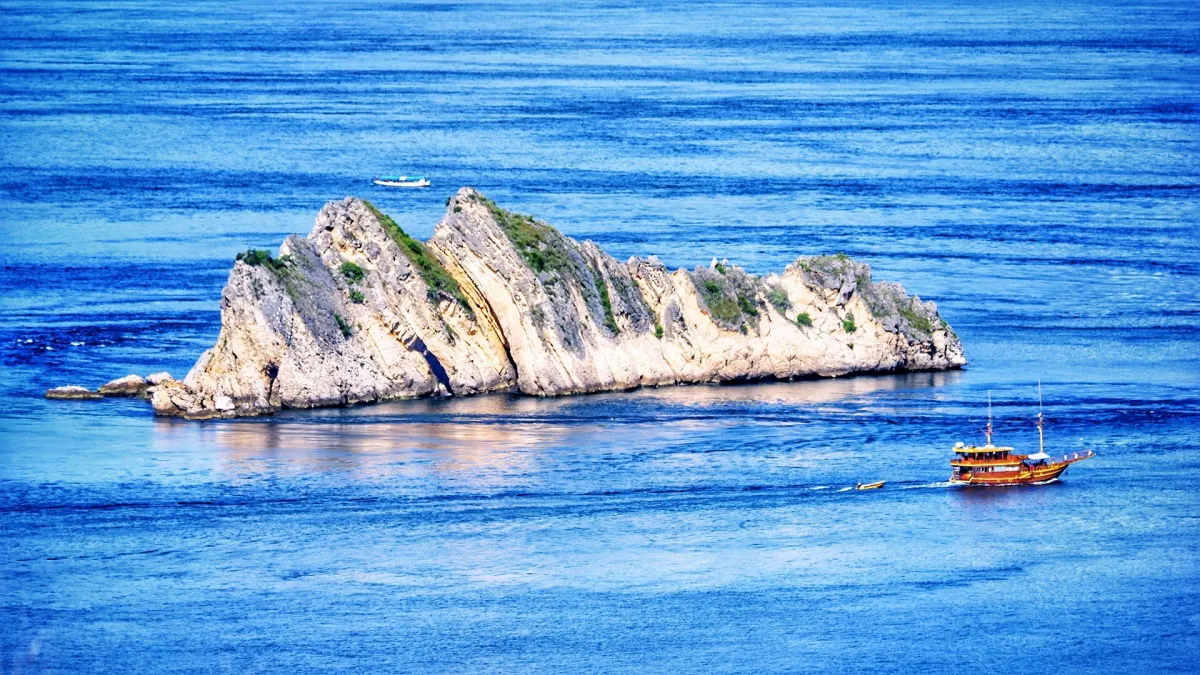
Marina Labuan Bajo was reported to have resumed operations, with sailing access to the national park restored.
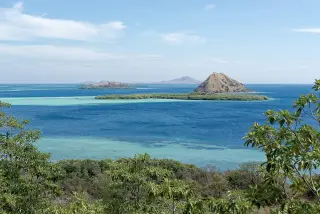
Within the park, Pulau Padar, Loh Liang on Komodo Island, Loh Buaya on Rinca Island and Gili Lawa were described as receiving visitors again, alongside nearby attractions such as Kelor Island, Kampung Adat Todo and Batu Cermin Cave.
At the same time, some leading destinations elsewhere on Flores remained closed.
Wae Rebo and Ruteng Pu’u in Manggarai, and Kelimutu National Park in Ende, were among sites still shut as a precaution, with landslide damage reported on part of Kelimutu’s crater wall and coastal and marine areas in Sikka requiring special attention.
Other outlets later noted that Kelimutu National Park and several sites had begun to reopen by late August, underlining that recovery has proceeded at different speeds across the island.
Airport operations with restrictions
The operator of Komodo Airport in Labuan Bajo stated that flights continued after the earthquake, but with restrictions on a damaged taxiway and inspections across airside and landside facilities.
Runway and apron checks found them safe for operations, while cracks in part of Taxiway A required temporary limits and further technical assessment.
The same notice and subsequent transport-sector updates identified impacts on the fire station, sections of the terminal ceiling and the administration building, although commercial flights and air traffic services remained in operation.
Local government officials quoted in regional media said inspections found no damage that disrupted activity at the port and airport, describing Labuan Bajo tourism as safe and functioning, a view consistent with the airport’s continued operations despite localized restrictions.
Earthquake and aftershock context
The Flores earthquake struck on Saturday, 15 August 2026, at 04:58:23 WIB.
BMKG’s updated analysis placed the mainshock at magnitude 7.7, at a depth of 15 kilometres, with an epicentre in the sea roughly 30 kilometres northeast of Nagekeo.
The agency issued and later ended a tsunami early warning on the same morning, after recording moderate changes in sea level at several coastal stations, including Labuan Bajo.
Subsequent field surveys found strong shaking across parts of Manggarai Barat, Manggarai, Manggarai Timur, Nagekeo and Sikka, with indications of liquefaction in Nagekeo, informing ongoing mitigation and reconstruction work.
Disaster-management officials and tourism agencies reported fatalities, injuries and displacement across Nusa Tenggara Timur, alongside temporary closures of selected attractions to allow structural checks and safety verification.
Toward a clearer safety picture
For visitors, “open” status at a destination does not fully address safety questions.
Travellers still need to know whether specific sites are accessible, which boat routes are operating, what facility restrictions apply, and which agency has issued the latest guidance.
The current post-quake information is spread across airport operators, BMKG, transport regulators, local governments, tourism boards and media reports, making it harder for visitors to assemble a complete, time-stamped picture of conditions.
A single public safety and operating-status page for Labuan Bajo and Komodo National Park—drawing directly on official notices from airport management, disaster agencies, park authorities, port operators and tourism coordinators—would allow visitors and businesses to see which destinations are open, restricted or closed, and under what conditions.
Such a dashboard could display, in one place, the latest earthquake and aftershock links, weather warnings, airport and port status, destination-level inspections, boat route information and emergency contacts, each with a clear timestamp and source label.
Until that type of integrated update exists, travellers planning trips to Komodo and Flores must continue to cross-check separate official and media reports to ensure that reopening news is matched with current safety advice.
Sources
Next story
Komodo tide forecast shows why timing matters for boat trips
Tides4Fishing’s Komodo forecast shows tides ranging from 0.5 to 3.0 metres later in the week, while BMKG’s marine data for the park’s port shows curre…
Related