
High seas prompt KSOP Labuan Bajo to halt Komodo and Padar tours
Labuan Bajo’s port authority briefly suspended tourist boat departures to Komodo and Padar on 9–10 September 2026 after BMKG forecasts warned of waves up to around 3 metres and strong winds, while sailings to Rinca continued under separate…
Editor: Mursyid Sonsang
· Event date: · 3 min read
Labuan Bajo — The Labuan Bajo Harbourmaster and Port Authority (KSOP) temporarily suspended tourist boat departures to Komodo Island and Padar Island on 9–10 September 2026 because of forecasts of rough seas and strong winds in the waters around Komodo National Park, according to several Indonesian media reports.
The measure was set out in Sailing Notice (Maklumat Pelayaran) No. 01/MP-IX/2026 issued on Tuesday, 8 September 2026, following early warnings from Indonesia’s Meteorology, Climatology and Geophysics Agency (BMKG) for 9–10 September and observations from coastal monitoring stations and vessels operating near Labuan Bajo, according to reports quoting KSOP Labuan Bajo chief Stefanus Risdiyanto.
Risdiyanto said the temporary closure was intended to protect passengers and crews from hazardous marine conditions and urged operators not to force trips while the seas remained unsafe, according to Indonesian press coverage.
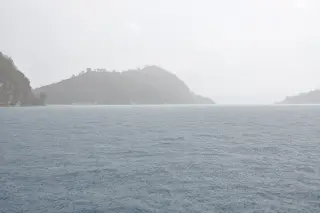
The BMKG marine forecast cited by KSOP indicated significant wave heights of around 1.5–3 metres and wind speeds of approximately 20–30 knots in the period 8–10 September. These conditions were considered dangerous for small tourist vessels, particularly in narrow straits and open stretches of water around Komodo National Park.
Routes and waters affected
The sailing notice identified at least 10 localised areas requiring heightened attention because of currents, wind and wave conditions: Kelor, Batu Tiga, Molo Strait, Padar Strait, Loh Kima, Luwu, Kerangga, Mauwang, Tatawa and Siaba Kecil.
According to national and regional media, KSOP Labuan Bajo stopped issuing sailing approval letters (Surat Persetujuan Berlayar, SPB) for tourist vessels bound for Komodo Island and Padar Island on 9–10 September, except if weather conditions improved earlier.
Reports based on KSOP’s notice stated that hazardous sea conditions were expected to persist until 11 September 2026, particularly in the southern part of the Sape Strait and waters around Komodo National Park. During the 9–10 September closure, vessels already inside the park were instructed to avoid the waters around Padar and Komodo if conditions worsened and to seek shelter.
Media citing KSOP Labuan Bajo also reported that tourist sailings to Rinca Island remained permitted under separate sailing approvals during the 9–10 September restriction, with SPB still available for that route subject to weather checks and safety requirements.
Safety guidance for operators and visitors
KSOP Labuan Bajo tightened requirements for issuing sailing approvals to tourist vessels during the warning period. Captains were instructed to adjust speed to prevailing conditions, ensure their vessels were seaworthy, maintain communication with the harbourmaster, and seek shelter if they encountered deteriorating weather.
BMKG’s maritime station for East Nusa Tenggara had warned of strong currents, wind eddies and high waves affecting navigation in the southern Sape Strait and around Komodo National Park. The forecasts underpinned KSOP’s decision to suspend sailings to Komodo and Padar while keeping limited access to Rinca.
Context for travellers
The 9–10 September suspension formed part of a broader pattern of temporary closures of tourist routes to Komodo and Padar in 2026 in response to episodes of high waves and strong winds. In each case, KSOP Labuan Bajo coordinated closely with BMKG and relied on data from shore stations and vessel reports to determine when conditions were safe enough to resume normal operations.
Travellers planning boat trips in and around Komodo National Park are advised to check the latest BMKG maritime forecasts and harbourmaster advisories before arranging crossings, and to follow guidance from operators and local authorities when warnings of high waves or strong winds are in place.
Sources
Next story
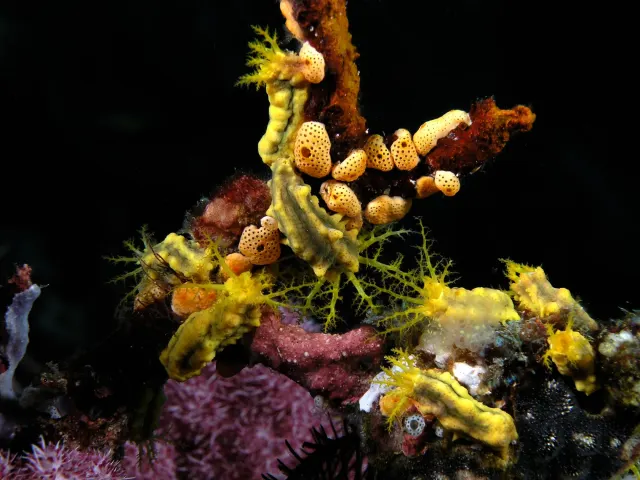
Komodo National Park reefs host more than 1,000 fish species, sources say
Komodo National Park sits inside the Coral Triangle, where UNESCO and WWF say its waters hold more than 1,000 fish species and more than 260 coral spe…
Related