

BNPB says Flores quake displacement falls to 72,864 by 7 September
Indonesia’s disaster agency says 72,864 people were still in evacuation centres across Flores as of 7 September 2026, down from 179,037 during President Prabowo Subianto’s earlier visit, as residents with lightly and moderately damaged…
Editor: Mursyid Sonsang
· Event date: · 3 min read
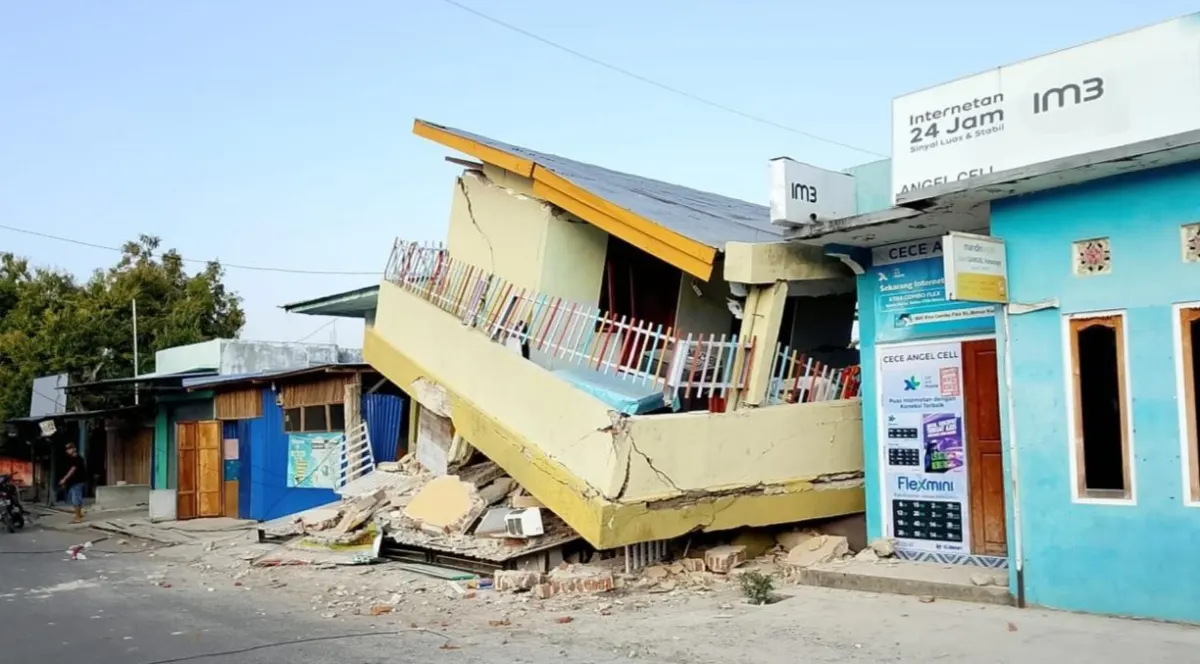
Labuan Bajo — The number of people displaced by the August 15 earthquake in Flores has fallen to 72,864
BNPB head Suharyanto delivered the updated figure during a limited cabinet meeting on disaster response, saying the number of people in evacuation sites had declined from earlier counts presented during the president’s visit to the affected areas.
Media reports citing the same briefing note that BNPB previously recorded 179,037 people displaced at the time of President Prabowo’s field inspection, meaning the number of people staying in shelters has dropped by more than 100,000.
According to Suharyanto, the decrease reflects residents whose houses suffered light or moderate damage returning home and beginning repairs as seismic activity eased. People who remain in evacuation facilities are generally those whose homes were categorized as heavily damaged and are not yet safe to occupy.
BNPB and government agencies are preparing temporary accommodation and housing assistance for these residents. Suharyanto said those still displaced are being gradually moved into interim shelters while longer-term housing solutions are developed.
Aftershocks and casualties
Suharyanto reported that 13,156 earthquakes had been recorded since the initial magnitude 7.7 event on 15 August 2026. The agency described activity as declining, with recent quakes no longer strongly felt by residents, though the sequence of aftershocks is still ongoing.
Separate BNPB data presented in mid-September recorded 48 direct deaths caused by the earthquake and 88–94 indirect deaths among evacuees, largely attributed to illness, medical complications or natural causes rather than subsequent quakes. The same data noted at least 1,600–1,700 injuries and tens of thousands of people still displaced as of 10–15 September.
Aid routes and logistics
The government has relied on air and sea corridors through western and eastern Flores to move aid. BNPB reports show that relief supplies, including food, shelter materials, medical support and non-food items, were flown in from Jakarta and other hubs and then distributed via Labuan Bajo in the west and Maumere in the east.
One national update noted that by 9–10 September, a cumulative 2,178 tonnes of logistics had been transported from Halim Perdanakusuma air base to Flores since the disaster began. Of this total, about 1,379 tonnes were routed through Labuan Bajo to reach western districts such as Manggarai Barat, Manggarai, Manggarai Timur and Ngada, while roughly 664 tonnes went through Maumere to supply eastern districts including Sikka, Ende and Nagekeo.
Earlier situation reports from late August recorded more than 5,000 aftershocks and over 150,000 displaced people as evacuation peaked. Subsequent BNPB briefings and media coverage through early and mid-September show a steady reduction in the number of evacuees as damage assessments progress, assistance is delivered and residents with lightly and moderately damaged houses return home.
Context
The magnitude 7.7 earthquake struck near Flores on 15 August 2026, affecting multiple districts across East Nusa Tenggara and triggering widespread building damage and landslides. In the weeks after the mainshock, BNPB prioritized search and rescue, medical care and emergency shelters, then gradually shifted to recovery planning as aftershocks weakened and displacement began to decrease.
The 7 September figure of 72,864 displaced people marks a transition phase in which emergency operations continue alongside preparation of temporary housing and longer-term reconstruction programmes. BNPB officials have indicated that a full return to normal seismic conditions may take several more weeks, and that support for communities with heavily damaged housing will remain a priority during that period.
Sources
Next story
Indonesia Deploys 160 Reserve Health Workers to Flores After Quake
Indonesia’s Health Ministry has deployed a second batch of 160 reserve health workers to four regencies on Flores after the recent earthquake, with th…
Related