
MMF photo-ID catalogue has logged over 1,200 Komodo mantas
Marine Megafauna Foundation’s long-running photo-ID programme has logged more than 1,200 individual manta rays in Komodo National Park, using belly spot patterns and citizen-science submissions.
Editor: Mursyid Sonsang
· Event date: · 5 min read
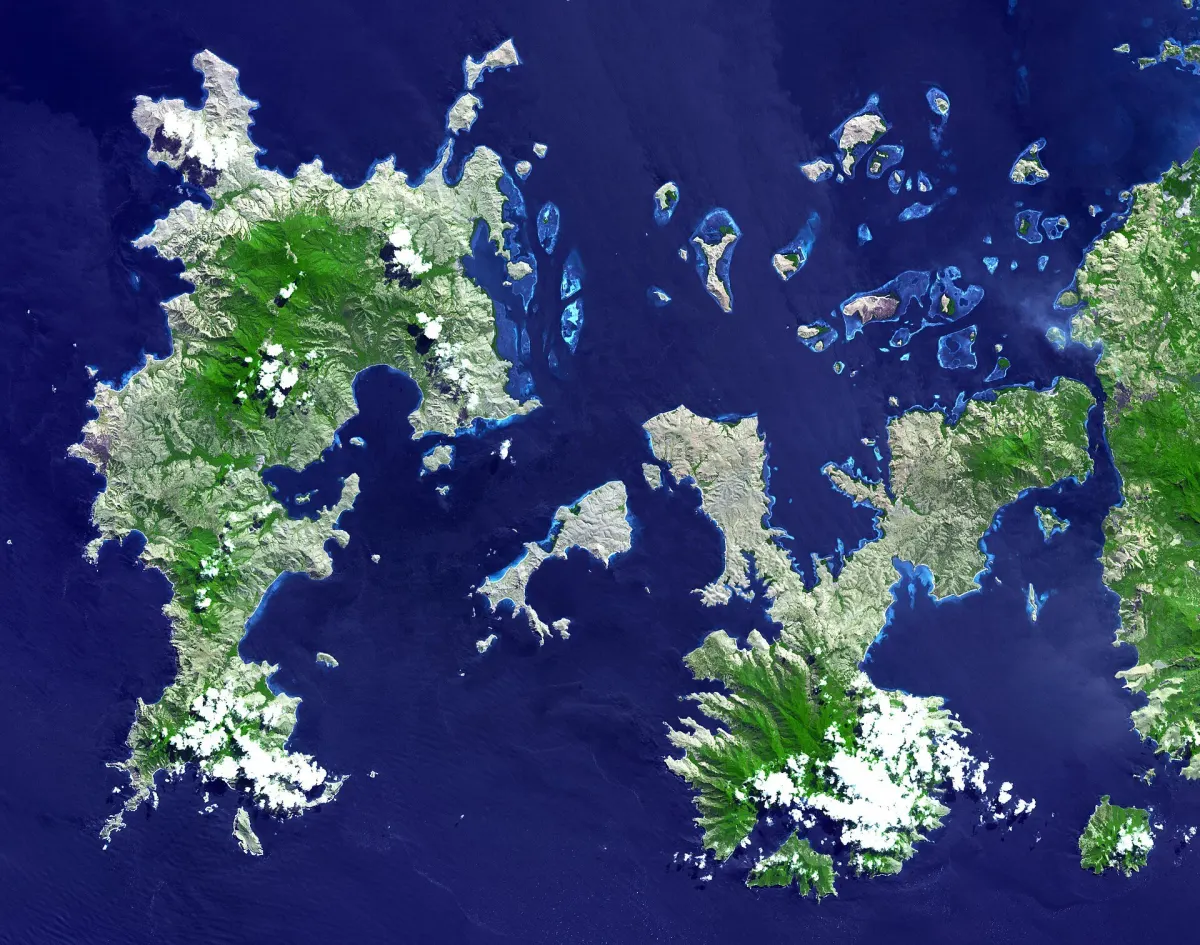
Labuan Bajo — — The Marine Megafauna Foundation (MMF) has catalogued more than 1,200 individual manta rays in Komodo National Park using photo-identification of their unique belly spot patterns, according to a published overview for divers and a regional travel guide on the park’s manta sites.
In these programmes, researchers distinguish one manta from another by the pattern of spots on the animal’s underside, allowing each photographed individual to be logged into a database rather than treating every encounter as an anonymous sighting. This method underpins a long-running monitoring effort led by MMF in Komodo and linked citizen-science initiatives.
The catalogue figure reflects the number of distinct animals identified to date, not a formal population estimate. A travel guide citing MMF’s photo-ID work reports at least 1,085 individual reef mantas identified in Komodo National Park, and notes that a separate photo-ID initiative has catalogued more than 500 mantas in Komodo waters, while the dive-industry overview rounds the combined figure to “1,200+” individually identified manta rays. Together, these sources support the statement that more than 1,200 individual mantas have been logged in the area.
At heavily visited sites such as Manta Point (Karang Makassar) in central Komodo, photo-identification allows researchers to determine whether a sighting is a returning individual or a previously uncatalogued manta. Over years of surveys, this distinction has enabled MMF scientists to document movement patterns and site use, including repeated visits to specific cleaning stations and aggregation areas.
How the Komodo photo-ID programme works
The dive overview describes MMF as a non-profit research organisation that has been studying and protecting manta rays and other marine megafauna in Komodo National Park for more than a decade. Its Komodo work combines several elements: systematic photo-ID, regular surveys at key manta aggregation sites, satellite tagging, citizen science and contributions to policy and community outreach.
Photo-ID surveys focus on clear images of the ventral surface, where each manta’s spot pattern serves as a natural identifier. Divers and operators are encouraged to photograph manta undersides and submit the images, with location and date, to Manta Matcher, described as an online database and matching platform used by MMF and partner organisations.
According to explanations of Manta Matcher’s methodology, submitted images are compared against an existing catalogue; unmatched animals receive new IDs, while matched individuals have additional sighting data appended to their records.
MMF’s Indonesia programme materials state that the organisation focuses on threat assessments, population monitoring to detect trends in abundance, and movement ecology to identify important habitats for protection, with Komodo listed as one of its main focal regions. The Komodo dive overview similarly notes that MMF conducts regular surveys at key manta sites to count animals and assess their condition, using the photo-ID records to track trends and inform management.
What the Komodo records can and cannot show
Repeated photo-ID encounters have revealed high site fidelity in Komodo’s manta population, with many individuals returning to the same cleaning stations and aggregation sites across years. Seasonal movements between central and southern Komodo linked to oceanographic conditions are also reported in MMF’s regional work and summarised in local guides. These findings illustrate how individual-based records can show connections between sites, travel routes and habitat use.
The number of identified mantas, however, does not by itself demonstrate that Komodo’s manta population is growing. Neither the dive overview nor the travel guide presents a park-wide population estimate, a breakdown of new versus repeat sightings per year, or a statistical trend in abundance for Komodo. As MMF notes in broader Indonesia communications, detecting trends requires standardised monitoring over defined periods, with careful interpretation of changes in encounter rates, survey effort and reporting.
Indonesia’s manta rays have been fully protected from fishing since 2014 under a ministerial decree that bans hunting, capture and trade of both reef and giant manta species. MMF credits its research in Indonesia, including work at major manta aggregation areas such as Komodo, with helping inform this nationwide protection and subsequent management planning.
While MMF and partner organisations describe community education and alternative livelihood programmes aimed at reducing poaching pressure, available public summaries do not yet quantify their specific effects on manta numbers in Komodo.
Manta biology makes long-term monitoring essential. MMF’s Indonesia reports and allied conservation literature highlight that female reef mantas have low reproductive output, typically giving birth to a single pup only every few years, which means recovery from depletion can be slow. That life-history pattern underscores why sustained, methodical monitoring and strict protection are needed, even as the Komodo photo-ID catalogue continues to grow.
Sources
- KomodoDiving – What Is the Marine Megafauna Foundation and How Does It Work in Komodo?
- Komodo Guide – Manta Point (Karang Makassar): Year-Round Manta Ray Encounters
- Discover Magazine – Citizen Scientists Diving to Study The Mystery of Manta Rays
- Manta Matcher – The MantaMatcher Team / Who Are We
- Marine Megafauna Foundation – Indonesia Projects
- DW – Indonesia bans manta ray fishing
- FAO – Developing Rights-Based Fisheries to End Manta Hunting in Indonesia
- CITES – CoP Information Document on Indonesia’s Manta Ray Protection
Next story
Rinca’s Loh Buaya Visitor Loops and the Mapped Doro Ora Trail
Three ranger-led trekking loops from Loh Buaya currently define the standard visitor experience on Rinca Island, while a separate 2021 hiking map show…
Related