
Komodo Visitors Face Three Linked Safety Priorities in 2026
Recent Komodo travel advisories emphasise three linked safety priorities for visitors in 2026: managing heat on exposed trails, treating marine conditions as conditional, and keeping controlled distance from wildlife, all under current…
Editor: Mursyid Sonsang
· Event date: · 5 min read
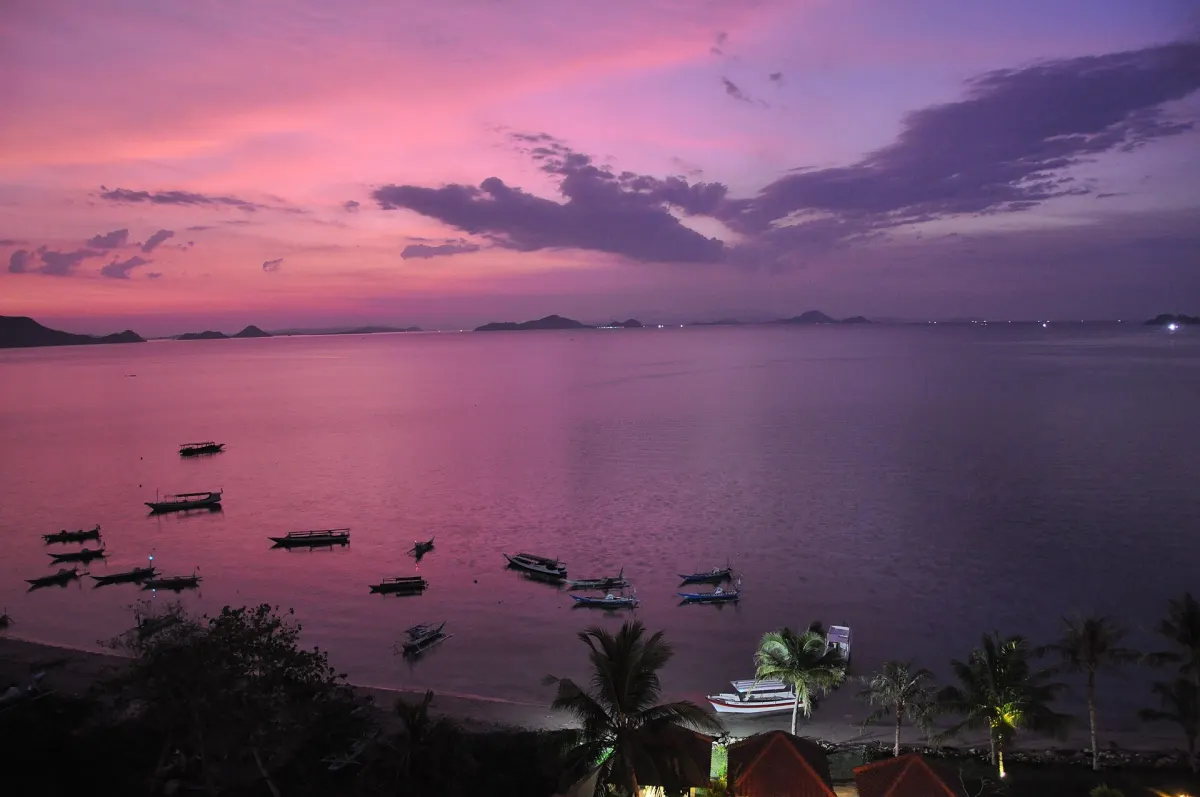
Labuan Bajo — — Visitors to Komodo National Park in 2026 are being asked to manage three linked priorities on every trip: heat on land, changing marine conditions and controlled distance from wildlife, and to follow the current park protocol and ranger guidance throughout their visit, according to visitor advisories published in August 2026.
Responsible travel guides for Komodo emphasise that all visits run on fixed, ranger-led itineraries and that safety depends on confirming the day’s route, staying with the ranger and avoiding unsanctioned landings or wildlife encounters.
Confirm the route and conditions
Recent guidance from Nettei and Komodo-focused tour operators describes a Komodo day plan built around three elements: exposed walking, time on the water and controlled wildlife encounters, all tied to the current park protocol and the ranger or crew in charge of the route.
Access to Komodo National Park is by boat from Labuan Bajo, and visitors cannot walk independently on Komodo or Rinca; certified rangers lead all dragon trails and set how close each group can approach wildlife.
Operators advise guests to confirm key details before departure, including the authorised islands and landing points, the length and difficulty of each walk, expected shade, toilet access, water refill options and the planned return time.
If a landing or route is closed, visitors are urged to accept the change rather than request an unofficial stop that could involve unstable terrain or a wildlife area at the wrong time of day.
Manage heat early
Komodo’s main walking trails offer little shade, and several travel guides warn that by late morning the heat can be “punishing” on exposed ground, particularly in the April–November dry season.
Visitors are advised to start ranger-led walks in the early morning where possible, carry sufficient drinking water, wear light sun-protective clothing and a secure hat, and use shaded breaks arranged by the guide.
Guides note that headache, unusual weakness, confusion, fainting, vomiting or loss of coordination on the trail should be treated as warning signs and reported immediately to the ranger or crew so the person can be moved to a safe point and given first aid or evacuated if needed.
Keep wildlife encounters controlled
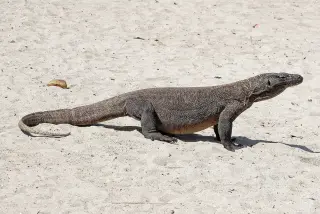
Safety rules across Komodo National Park make clear that wildlife must never be approached, touched or fed, and that visitors must remain behind the ranger’s line at all times.
Several 2026 visitor rule summaries state minimum distances from Komodo dragons ranging from 3 to 10 metres, and emphasise that these are enforced in the field: groups stay together on marked paths, rangers carry forked staffs, and sudden movements, crouching near dragons or turning one’s back for photographs are prohibited.
Families are advised to keep children close to the ranger, avoid blocking an animal’s route and never surround or call wildlife toward a group.
Guides also stress that food must remain sealed and that scraps, shells, eggs, plants and other natural objects should not be left or collected, since feeding or souvenir gathering alters animal behaviour and is illegal under park rules.
Make marine activity conditional
Marine operators and eco-travel guides for Komodo underline that a clear sky does not guarantee safe snorkelling or swimming; strong tidal currents between islands can build quickly, and visitors are told to enter the water only where and when the crew allows, stay on the designated side of the drop point and return to the boat when called.
Across the park, boats are expected to use designated mooring points or sand-bottom anchorages rather than dropping anchors on reefs, and visitors are asked not to request anchor drops on coral.
Underwater, standard “reef etiquette” applies: no standing on, touching or collecting coral, shells or marine life; maintain neutral buoyancy, keep fins away from reefs, and do not feed fish, manta rays, sharks or turtles.
Waste rules require that all rubbish returns to land. Guides advise keeping containers closed, securing loose tissues and notifying the crew of any fuel, oil or sunscreen leak so it can be contained rather than rinsed into the water.
Record issues without revealing sensitive sites
Responsible-travel advisories encourage visitors to note the date, authorised island or route, weather, water access, crowding, ranger instructions, waste facilities and any cancelled activities after a trip, as part of personal records or feedback to operators.
At the same time, eco-guides warn against publishing the exact locations of nesting sites, dens, unofficial landings or quiet wildlife refuges, to reduce disturbance and potential illegal activity.
Komodo travel resources emphasise that park rules, visitor caps, fees and daily conditions can change, and recommend that travellers confirm current regulations, opening times and emergency procedures with their authorised operator or ranger in Labuan Bajo shortly before departure.
Sources
- Nettei – Komodo in the heat: water, wildlife distance and waste
- Phinisi Trip – Komodo National Park Entrance Fee & Regulations (2026 UPDATED)
- Komodo National Park Ticket – Rules & Regulations 2026
- Things To Do In Kuta Bali – Komodo Dragons Conservation Park Checklist for 2026
- Komodo Guide – Zoning and Regulations
- Labuan Bajo Luxury – Komodo National Park Rules & Visitor Guidelines 2025/2026
- Komodo National Park Tour – 10 Komodo National Park Rules Every Visitor Must Know (2026)
- My Best Places To Visit – Labuan Bajo & Komodo National Park Travel Guide (2026)
- Komodo Island Snorkeling – Eco-Friendly & Ethical Travel In Komodo National Park
- Komodo Luxury – Komodo National Park Guide
- Keep Up With Car – Komodo National Park Travel Guide
Next story
Komodo National Park reefs host more than 1,000 fish species, sources say
Komodo National Park sits inside the Coral Triangle, where UNESCO and WWF say its waters hold more than 1,000 fish species and more than 260 coral spe…
Related