
Komodo park launches community ecotourism programme in Kerora on Rinca
Balai Taman Nasional Komodo has launched a community-based ecotourism programme in Kampung Kerora on Rinca Island, blending guided trekking, wildlife viewing and turtle conservation with efforts to expand sustainable tourism and local…
Editor: Mursyid Sonsang
· Event date: · 4 min read
Labuan Bajo — The Komodo National Park authority has introduced Kampung Kerora on Rinca Island as a community-led ecotourism destination, combining trekking, wildlife viewing and turtle conservation activities with local livelihood development, according to the park office and supporting government agencies.
Balai Taman Nasional Komodo (BTNK) formally launched the Kerora ecotourism programme on 6 March 2025 in Desa Pasir Panjang, Komodo sub-district, West Manggarai, East Nusa Tenggara. The event coincided with celebrations marking the 45th anniversary of BTNK. The park authority presented Kerora as an alternative visitor site within Komodo National Park, designed to spread tourism beyond the most-visited locations while strengthening conservation and community income.
BTNK head Hendrikus Rani Siga said the initiative aims to integrate tourism activities with conservation and create new jobs for residents. He stated that Kampung Kerora was ready to receive visitors from the day after the launch. The programme draws on earlier turtle-protection work by the park’s Kampung Kerora resort, which oversees nearby nesting beaches on Muang Island used by green and hawksbill turtles.
Guided village walks and wildlife viewing
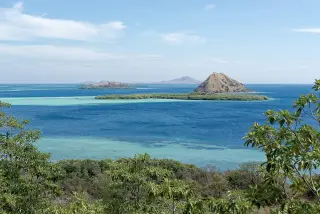
Kampung Kerora is one of three hamlets within Pasir Panjang village on Rinca Island and can be reached by sea from Labuan Bajo. According to BTNK, visitors may travel from Labuan Bajo or take a shorter boat crossing of around 10–15 minutes from Soknar in Golo Mori village to Rinca.
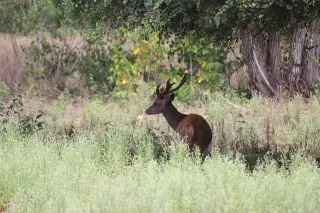
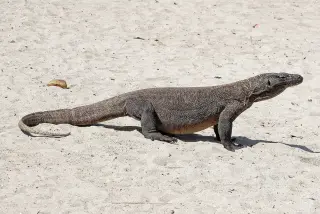
The ecotourism offer centres on guided walks through Kampung Kerora led by members of the local tourism-awareness group, or pokdarwis. Along the trekking route, visitors can observe mountain landscapes and a range of wildlife including Komodo dragons, wild buffalo, wild horses, birds, reptiles and diverse plant species. Birdwatching is highlighted as a key attraction, with the surrounding forest described as natural habitat for species such as the yellow-crested cockatoo.
Turtle conservation and hatchling release
A core element of the programme is community-based turtle conservation linked to ecotourism. BTNK and Ministry of Environment and Forestry agencies have documented how the Kerora resort staff monitor turtle nests on nearby Muang Island and protect them from egg theft. These efforts focus on green turtles (Chelonia mydas) and hawksbill turtles (Eretmochelys imbricata), which use Muang’s beaches as regular nesting sites.
According to BTNK, the Kerora ecotourism packages are designed to allow visitors to participate in planned releases of sea-turtle hatchlings into the ocean as part of these conservation activities. The turtle-based ecotourism concept has been promoted by the KSDAE directorate as a way to demonstrate how nature tourism can support protection of endangered species while providing benefits to local communities in Kerora.
Tourism packages and access
BTNK has indicated that tickets for Kerora trekking and turtle-release packages can be purchased online via the park’s SiOra (Sistem Informasi Biawak Komodo) application. The authority has publicised package tariffs of around Rp200,000 per group of five people for trekking and Rp400,000 per group for a combined package that includes hatchling release, according to statements from the park head reported by national media.
The programme forms part of broader plans by BTNK and tourism bodies to develop sustainable tourism and quality village destinations in the Komodo area. Government tourism agencies have identified Kerora’s trekking routes, birdwatching opportunities and marine sites for snorkeling and potential coral-planting activities as key components of a diversified ecotourism offer on Rinca Island.
Officials and conservation planners have also described community-based turtle education and ecotourism in Kerora as an early step toward a wider strategy that links visitor experiences with species protection and local welfare. How visitor numbers, revenue sharing and monitoring systems will be managed over time has not yet been detailed in available public material, but authorities frame Kerora as a model for integrating conservation and livelihood goals in Komodo National Park.
Sources
- Tempo.co – Ekowisata Kampung Kerora di Pulau Rinca jadi Alternatif Destinasi Taman Nasional Komodo
- KSDAE – Menggagas Ekowisata Berbasis Konservasi Penyu di Kampung Kerora
- KSDAE – Kader Konservasi Balai TN Komodo Belajar Konservasi Penyu di TN Kepulauan Seribu
- BPOLBF – Wujudkan Desa Wisata Berkualitas di Kawasan TN Komodo, BPTNK dan BPOLBF Tinjau Dusun Kerora
- Labuan Bajo Terkini – TN Komodo Catat 432 Ribu Kunjungan 2025, PNBP Capai Rp100 Miliar; Mulai 2026 Dibatasi 1000 Orang/Hari
Next story
Ministry caps planned Padar Island resort to 5.6% of concession
Indonesia’s forestry ministry says PT Komodo Wildlife Ecotourism holds a 55-year permit to build nature tourism facilities on Padar Island, but only a…
Related