
Komodo and Rinca received hybrid power infrastructure in 2017
KSDAE said Komodo and Rinca received hybrid power infrastructure in 2017, while later PLN statements show supply on Komodo was expanded and running around the clock by 2020.
Editor: Mursyid Sonsang
· Event date: · 4 min read
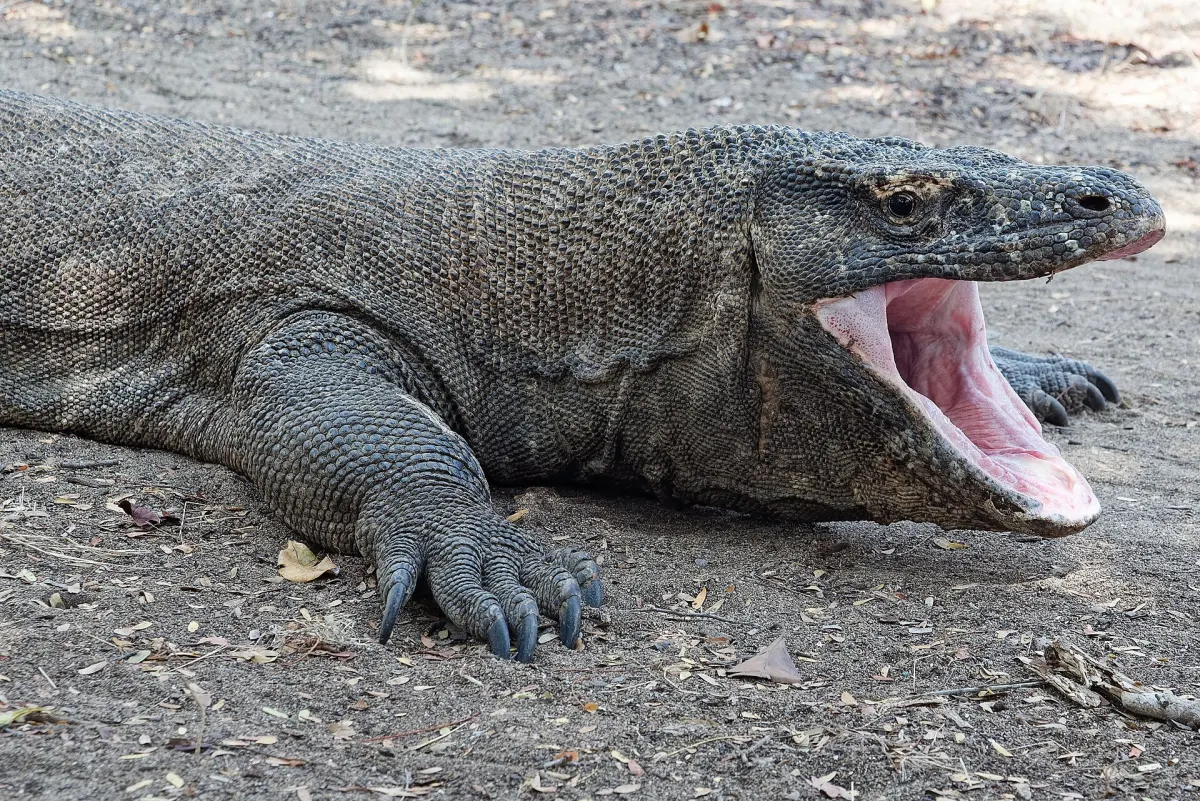
Labuan Bajo — Komodo and Rinca islands were connected to hybrid electricity infrastructure in 2017, according to Indonesia’s Directorate General of Conservation of Natural Resources and Ecosystems, or KSDAE. The agency said the project was meant to support residents, tourism services and broader development in the Labuan Bajo area.
KSDAE said the power-house building on Komodo covered about 2,240 square metres and was located in the tourism-use zone inside Komodo National Park, on land linked to PT Komodo Wildlife Ecotourism. The Rinca facility, also said to cover about 2,240 square metres, was placed in the park’s special settlement zone.
The KSDAE account said the project had received approvals from the ministry in March and May 2017. It also said the electrification effort was part of measures to strengthen Labuan Bajo as a tourism destination, including basic infrastructure, public facilities, attractions, fuel and electricity.
PT PLN (Persero), Indonesia’s state electricity company, later said Komodo Island had been electrified since 30 January 2017 and that the island’s supply was supported by diesel power. PLN said in 2020 that it had increased supply in the Komodo village area and that electricity on Komodo and Rinca had been operating 24 hours a day.
Residents of Kampung Komodo and Kampung Rinca were described by KSDAE as beneficiaries. A park official, Djunius Boeky, said tourism services became more efficient after the project because operators had previously depended on generators.
KSDAE’s 2017 report gives the approximate site size and location of the facilities, but it does not specify the installed capacity of the hybrid systems, their fuel mix, or how many households were connected. It also does not provide outage records, maintenance details or current operating arrangements.
The infrastructure remains relevant because power access can improve communications, refrigeration and water services, while also adding logistical and environmental pressures on a small island park. Any assessment of the project’s conservation impact would require current records on supply coverage, fuel use, waste handling and system reliability.
What the 2017 project established
KSDAE said the Komodo facility was built in cooperation with the Komodo National Park authority and PT PLN, and that the site sat within an area licensed to PT Komodo Wildlife Ecotourism. It said the Rinca project was in the park’s settlement zone and gave the geographic coordinates of both sites.
The same KSDAE report records a cooperation-signing event in Labuan Bajo on 12 June 2017. Its text also refers to ministry approvals dated 12 March 2017 and 30 May 2017.
PLN’s later press material offers a narrower operational picture: Komodo was already receiving electricity in early 2017, and by 2020 the utility said supply had been expanded and stabilised for the island community. That suggests the 2017 project was part of a broader electrification rollout rather than a single stand-alone installation.
Why the project matters
For a national park that depends on tourism, electricity can reduce reliance on noisy generators and improve basic services for residents and visitors. At the same time, power systems on small islands require fuel transport, equipment maintenance and waste handling that need to be managed carefully.
Those trade-offs are not resolved by the 2017 announcement alone. KSDAE did not publish data on renewable generation, storage batteries, fuel consumption or the environmental controls used at the sites.
PLN’s later statements confirm that power reached Komodo and that the supply was being adjusted over time, but they do not fully describe the system’s environmental footprint or the current mix of technologies. On that basis, the project can be documented as a significant infrastructure milestone, while its longer-term conservation effects remain a separate question.
Context
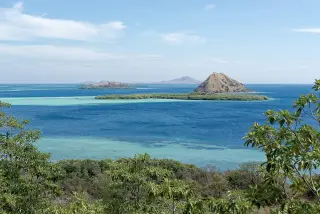
Komodo National Park spans islands and marine areas off western Flores and is both a conservation area and a major tourism destination. The electrification of Komodo and Rinca formed part of efforts to improve infrastructure around Labuan Bajo, the gateway town for the park.
The 2017 record confirms the project’s location, date and general purpose. The later PLN materials confirm that electrification did not remain static after the initial build-out, and that the system continued to be developed in the years that followed.
Sources
Next story
What One 2016 Medical Case Shows About Komodo Dragon Bites
A 2016 medical case report describes a Komodo dragon hand bite that healed without infection after extensive cleaning and preventive antibiotics, and…
Related