

Extinct giant megapode identified from Flores cave fossil
Researchers identified Megapodius rokusi from a fossilised foot bone excavated at Liang Bua cave on Flores. The extinct bird weighed about 3.9 kilograms and is the largest known species in its genus.
· 2 min read
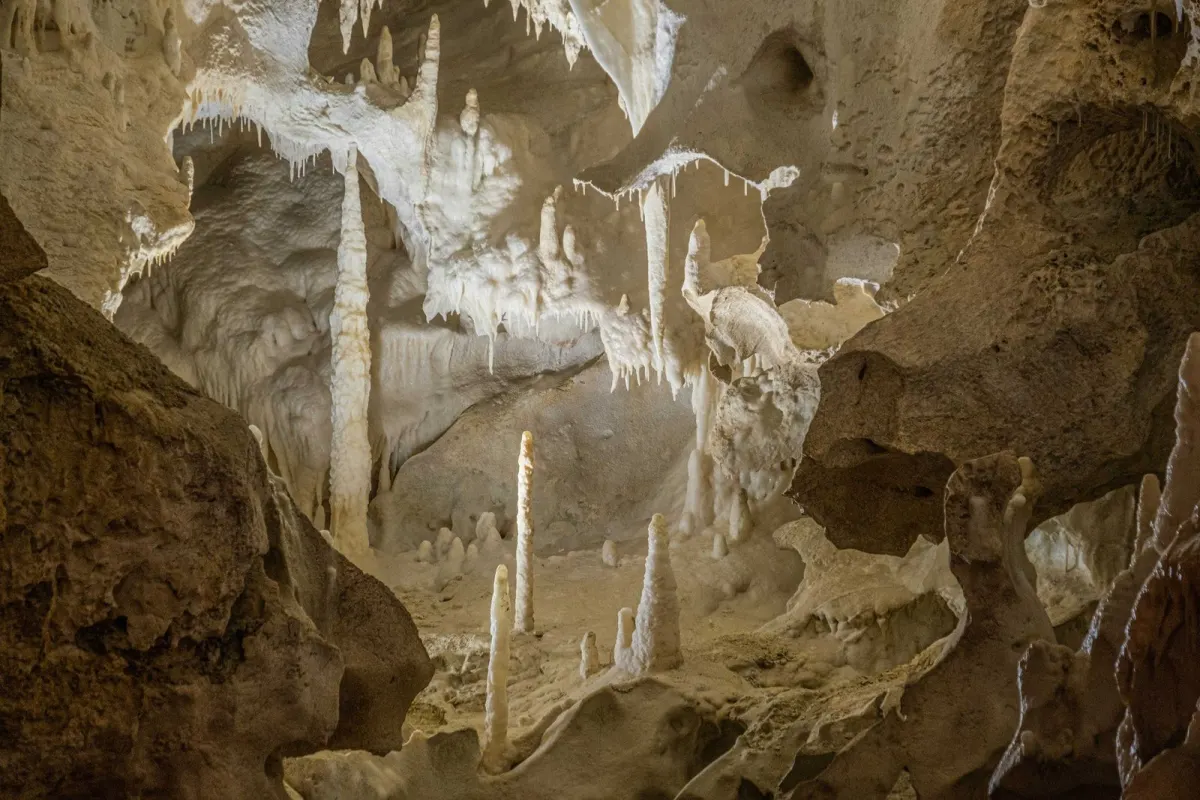
Liang Bua — Researchers have identified a new species of extinct giant megapode from a fossilised right foot bone found at Liang Bua cave on Flores, according to a report published on 16 November 2026.
Why it matters: The finding documents a previously unknown extinct bird from Flores and adds evidence about prehistoric biodiversity at a cave site visited for its archaeological significance.
The species, named Megapodius rokusi, lived in the region during the Pleistocene. The fossil came from cave sediments dated to between 190,000 and 120,000 years ago.
Researchers estimated that the bird weighed about 3.9 kilograms, making it the largest species in the genus Megapodius described to date, according to the study reported by Mongabay.
What the fossil shows
The bird belonged to the megapodes, a group of ground-dwelling, chicken-like birds found today across parts of the Australasian region. The fossil is described as the first megapode fossil from Wallacea, the island region between Southeast Asia and Australia.
The bone was excavated in 2009, but researchers later determined that it represented a previously unknown species. The species name honours Rokus Due Awe, an Indonesian researcher associated with work on fossils from Liang Bua.
Because the identification is based on a single foot bone, researchers have not established whether the bird could fly or precisely when it became extinct. The fossil was found at the same cave site known for remains of Homo floresiensis, an ancient human relative popularly known as the “hobbit.”
Sources
Read next
More on this story
Flores & Beyond
Flores commentary highlights women’s role in environmental opposition
A Flores commentary highlights women’s opposition to extractive projects and concerns about customary water sources, while a separate analysis discuss…
Most read in Flores & Beyond
Today’s top story
Related